


















Best AI Tools for E-Commerce PPC in 2026 (Google Shopping, Meta, Amazon)

Angrez Aley

Angrez Aley

Senior paid ads manager

February 202613 min read

Running e-commerce PPC in 2026 means juggling Google Shopping feeds, Meta dynamic product ads, and Amazon Sponsored Products simultaneously, often across thousands of SKUs. Generic AI ad tools were not built for this. They do not understand product feeds, ROAS targets at the SKU level, or the mechanics of catalog advertising.

This guide covers the AI tools that actually solve e-commerce-specific PPC problems. After testing and evaluating eight platforms, here are the quick picks: Ryze AI for unified Google Shopping and Meta product ad management, Perpetua for Amazon-first sellers, and AdScale for Shopify stores that want a single dashboard. Read on for the full breakdown.


Why E-Commerce PPC Needs Specialized AI

E-commerce advertising is fundamentally different from lead generation or brand awareness campaigns. The problems are structural, and general-purpose AI tools struggle with them.

Product feed complexity

A typical mid-size e-commerce store has 500 to 10,000 SKUs. Each product needs accurate titles, descriptions, images, pricing, availability, and category mapping across Google Merchant Center, Meta Commerce Manager, and Amazon Seller Central. AI tools built for e-commerce understand feed structures and can optimize titles, detect disapprovals, and segment products by profitability automatically. General ad tools treat every campaign the same.

ROAS varies wildly by SKU

A $12 phone case and a $400 espresso machine need completely different bidding strategies, even within the same store. E-commerce AI tools can set ROAS targets at the product group or even individual SKU level, then reallocate budget toward products that are actually profitable after accounting for cost of goods, shipping, and return rates.

Seasonality and inventory awareness

E-commerce demand is seasonal, promotional, and inventory-constrained. There is no point in bidding aggressively on a product with three units left in stock, or ignoring the BFCM ramp that happens every October. Specialized AI tools connect to your inventory data and adjust bids accordingly. They learn from last year's holiday patterns and pre-position campaigns weeks before demand spikes.

Cross-platform catalog sync

Your product catalog needs to stay synchronized across Google Shopping, Meta dynamic ads, and Amazon. Price changes, stock-outs, and new product launches need to propagate everywhere within hours, not days. The best AI tools handle this feed distribution natively, while general ad platforms expect you to manage feeds separately.


Quick Comparison Table

Here is how the eight major AI e-commerce PPC tools stack up across the dimensions that matter most.

ToolPlatformsE-Commerce FeaturesPricingBest For
Ryze AIGoogle Shopping, MetaROAS optimization, PMax management, ChatGPT integration for natural language controlsFrom $100/moUnified Google + Meta product ad management
AdScaleGoogle, Meta, TikTokShopify-native, product feed sync, automated campaign creation from catalogFrom $150/moShopify stores wanting all-in-one
AdspertGoogle, Amazon, Microsoft, eBayCross-marketplace bid optimization, profit-based biddingFrom $99/moMulti-marketplace sellers
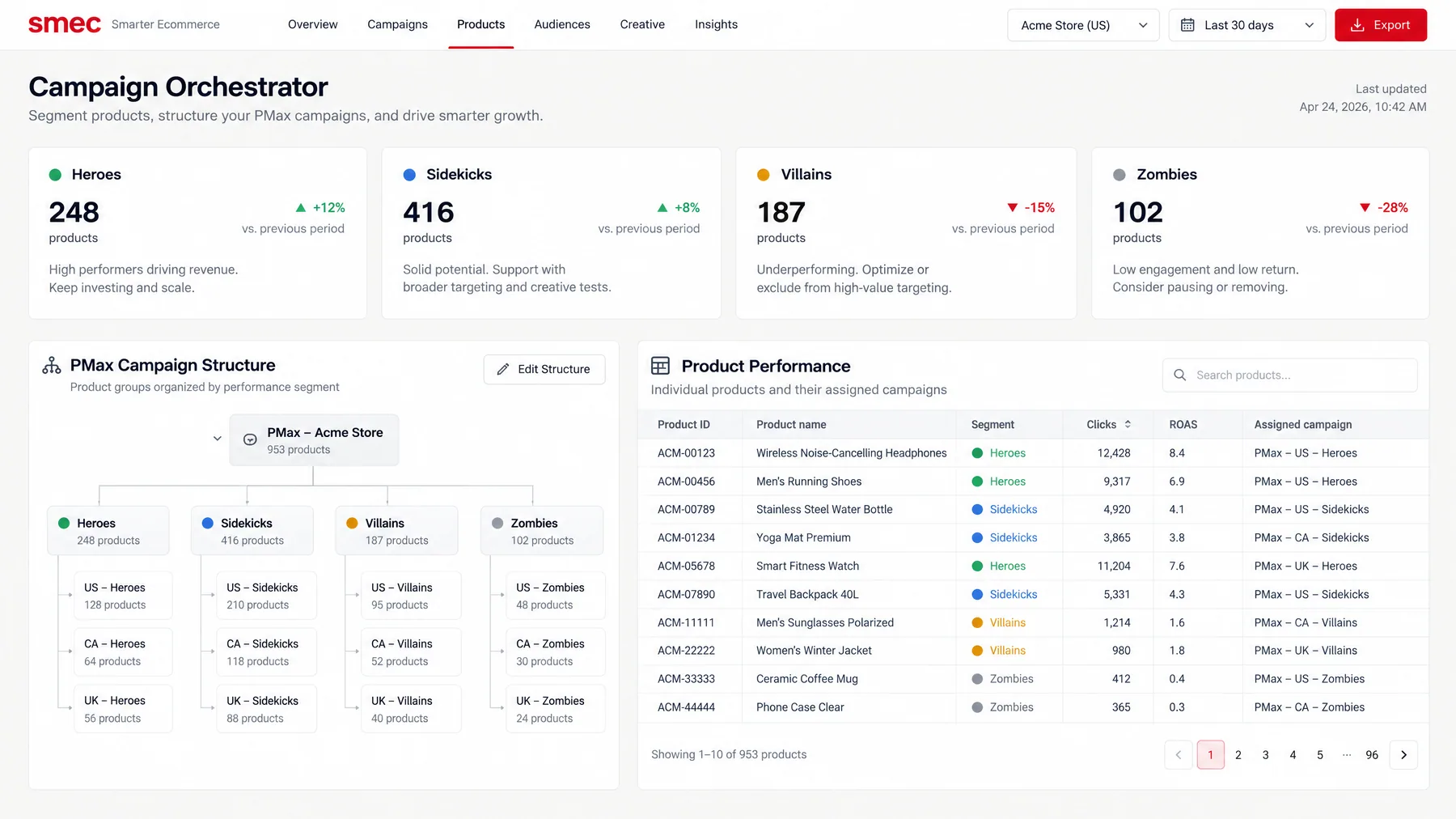
FeedonomicsGoogle, Meta, Amazon, 100+ channelsFeed optimization, title rewriting, category mapping, error resolutionCustom (enterprise)Large catalogs needing feed excellence
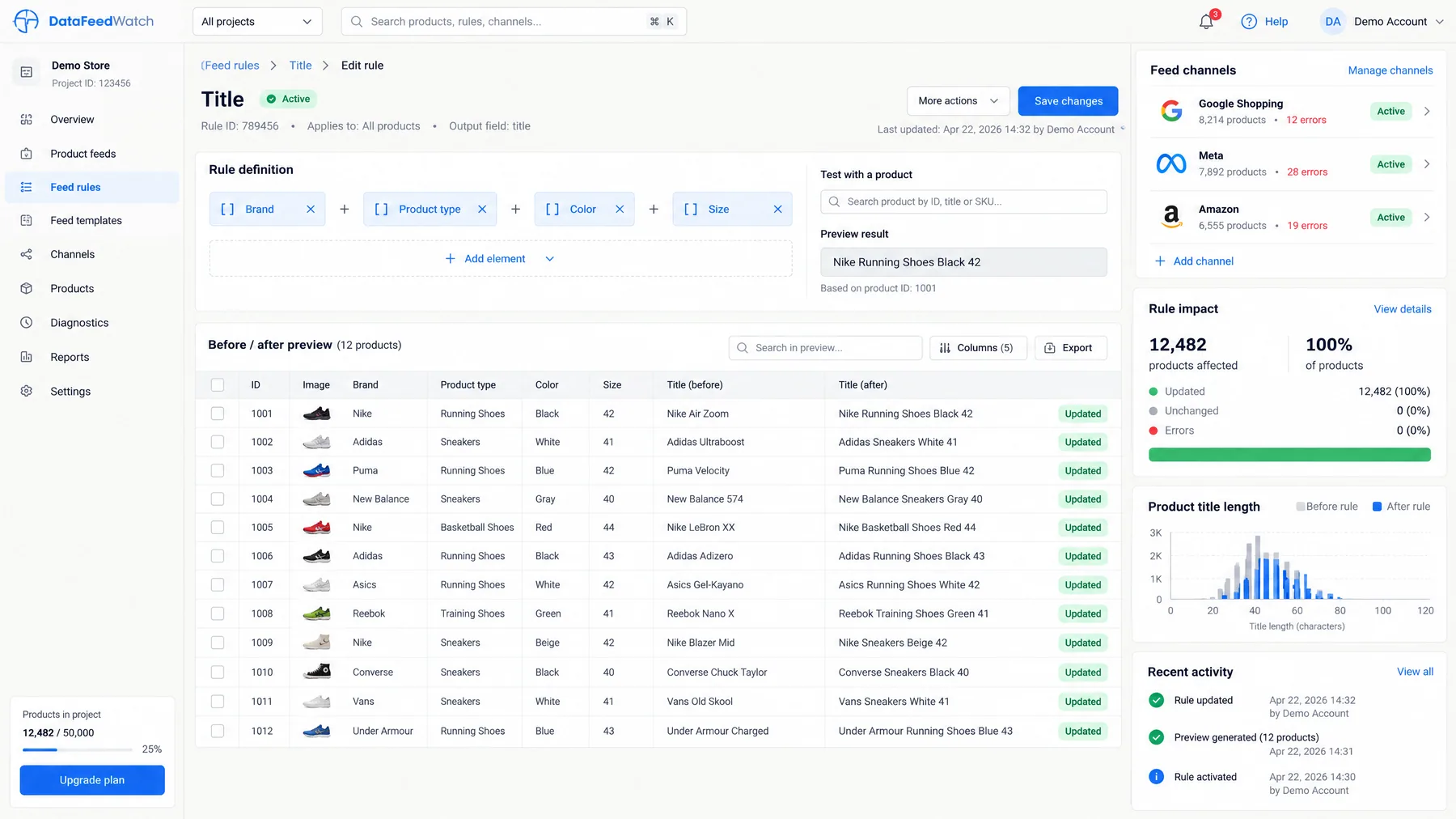
DataFeedWatchGoogle, Meta, Amazon, 2,000+ channelsFeed rules engine, product data transformation, channel-specific optimizationFrom $64/moFeed management on a budget
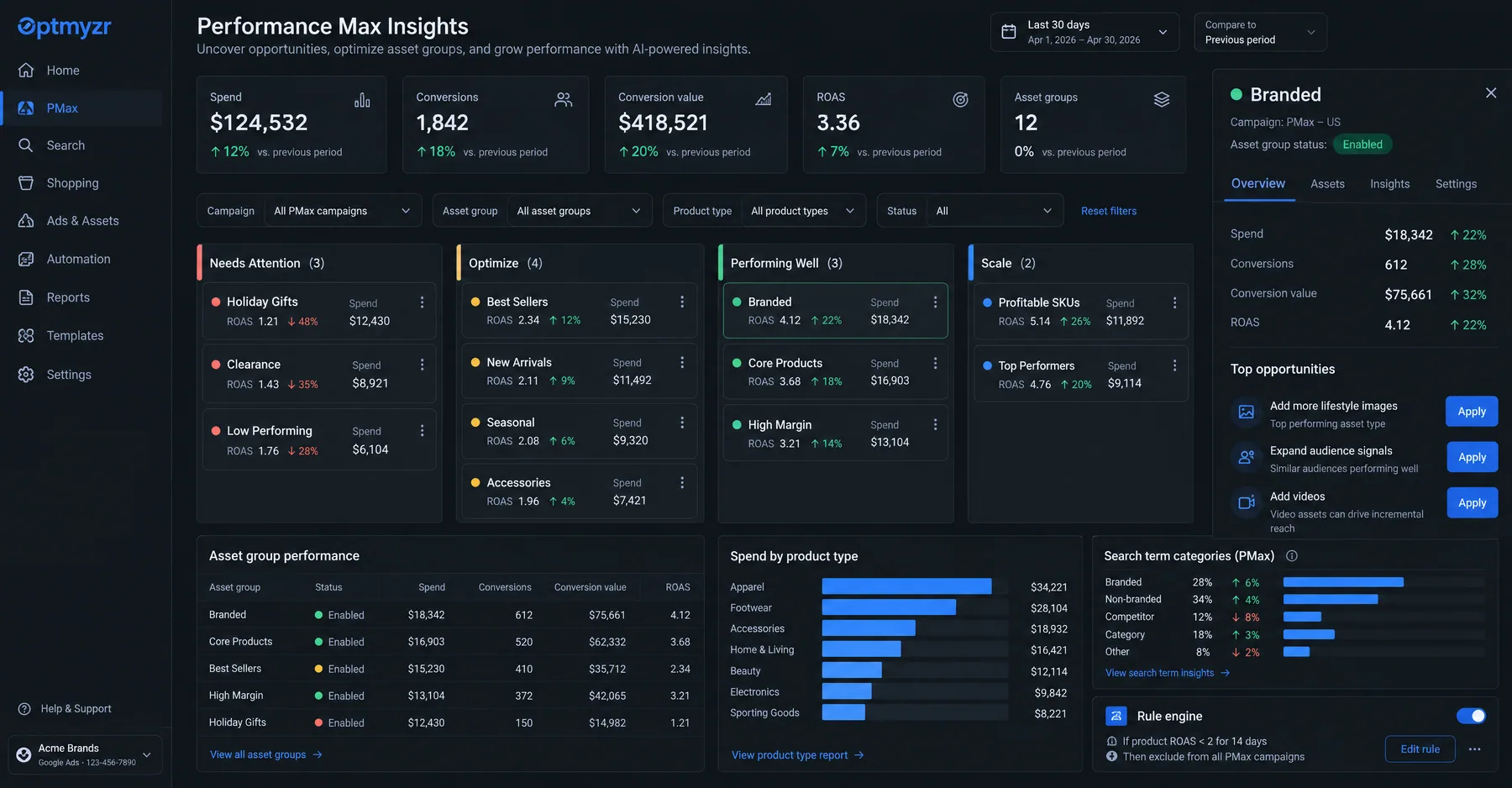
PerpetuaAmazon, Walmart, InstacartMarketplace-native bidding, keyword harvesting, dayparting, share of voiceFrom $250/moAmazon and marketplace-focused sellers
MadgicxMeta, GoogleAudience AI, creative insights, automated budget allocationFrom $44/moDTC brands heavy on Meta ads
Smartly.ioMeta, TikTok, Pinterest, Snapchat, GoogleDynamic creative optimization, automated product creative, catalog-driven adsEnterprise pricingEnterprise brands with large creative volume

Best for Google Shopping and Performance Max

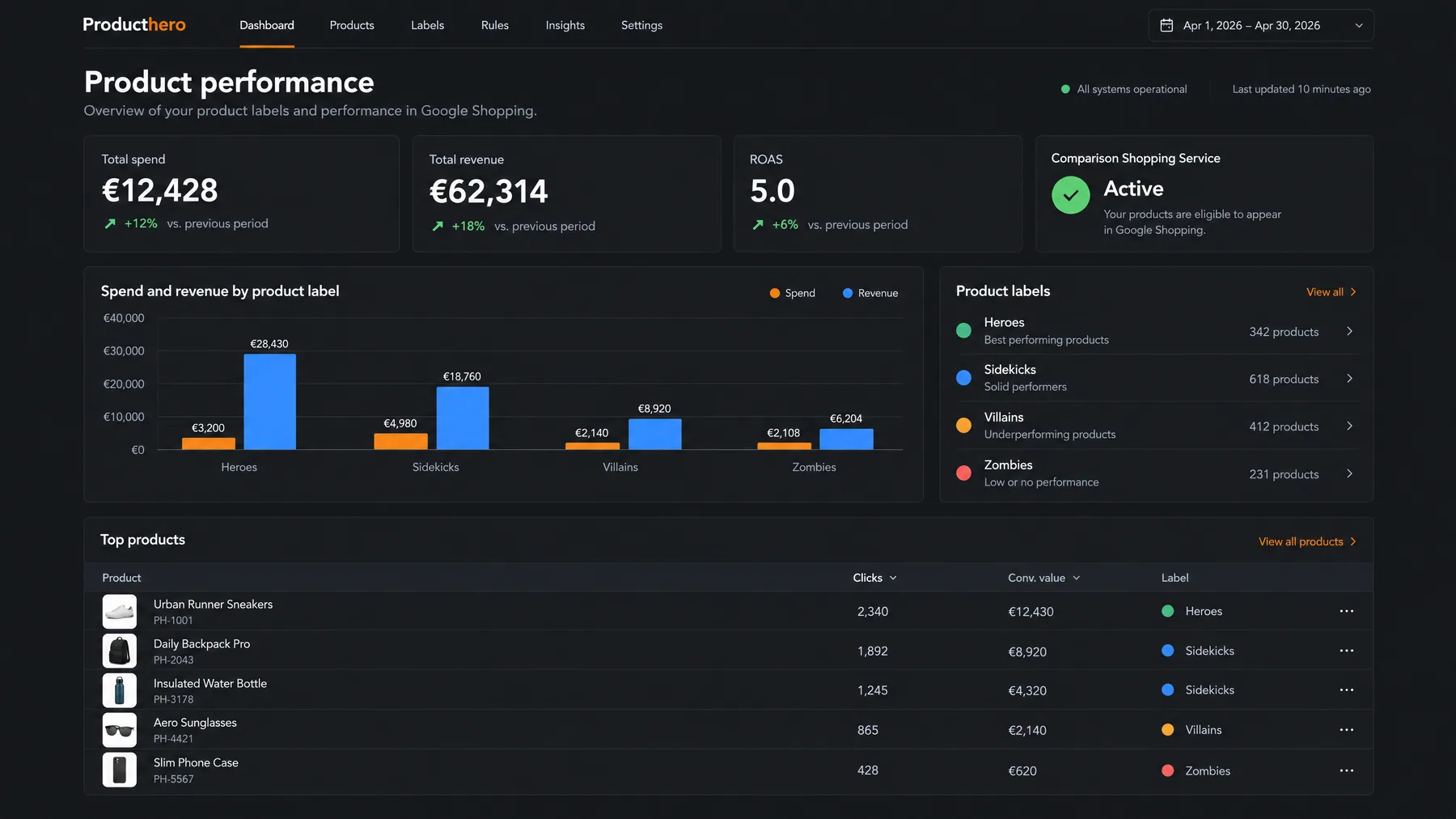
Google Shopping is the highest-intent channel for most e-commerce stores. Shoppers are searching for specific products and comparing prices directly in the search results. The AI tools that win here need to understand product feeds, bidding at the product group level, and the nuances of Performance Max campaigns.

Top pick: Ryze AI

Ryze AI handles Google Shopping and PMax campaigns with genuine intelligence. It analyzes product-level performance data and reallocates budget toward the SKUs that are driving profitable conversions. What sets it apart is the ChatGPT integration that lets you manage campaigns in plain English. Instead of digging through Google Ads menus, you can say "increase budget on all products with ROAS above 5x" and the AI executes it. For stores running both Google Shopping and Meta product ads, having unified optimization under one roof eliminates the guesswork of manual cross-platform budget allocation.

Runner-up: Adspert

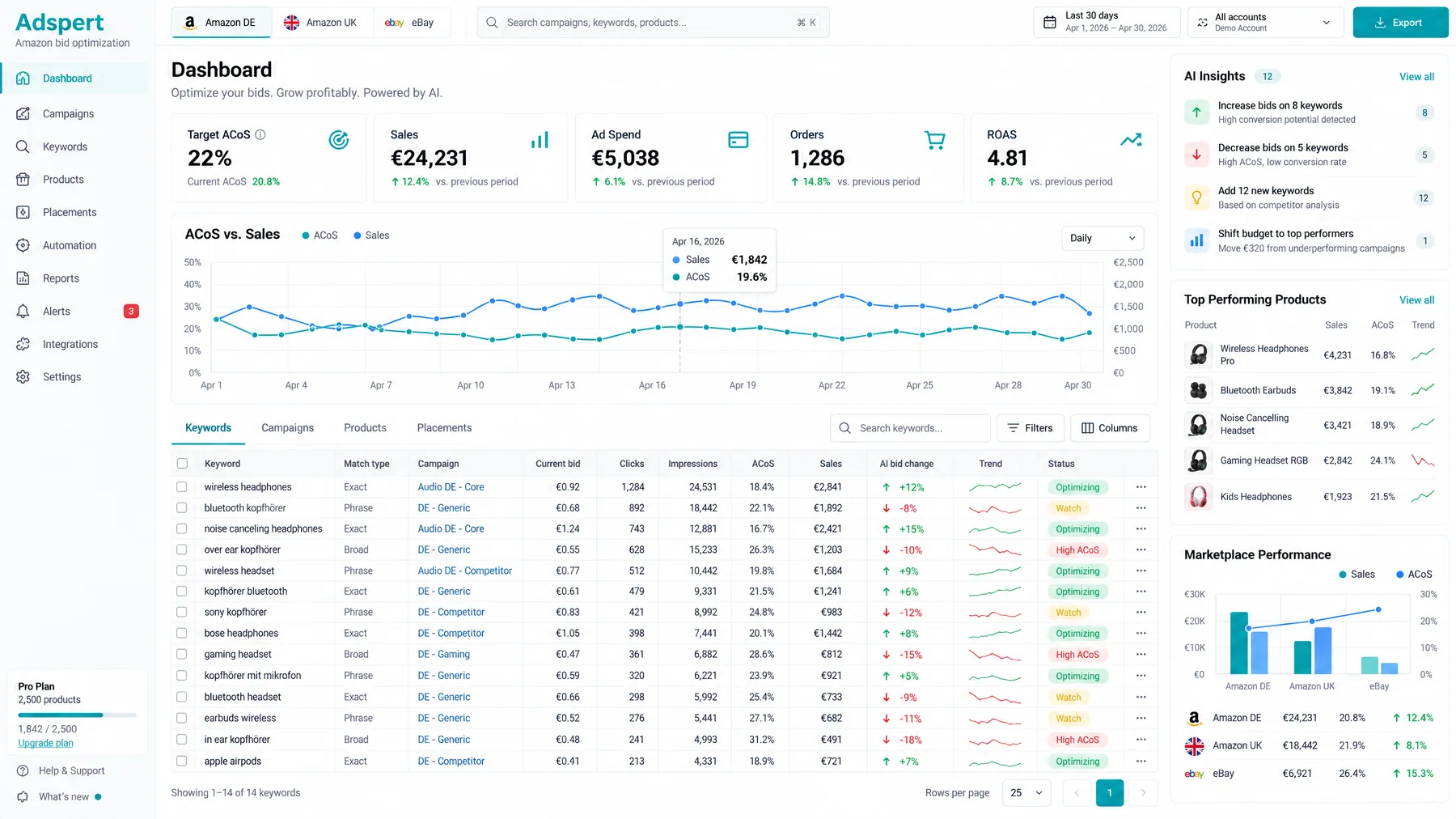
Adspert focuses on profit-based bidding across Google Shopping, Amazon, and Microsoft. It connects to your cost-of-goods data and optimizes for actual profit rather than just ROAS. This is particularly useful if you have a wide range of margins across your product catalog. The downside is that it does not handle creative or feed optimization, so you will still need separate tools for those.


Best for Meta Catalog and Dynamic Product Ads

Meta dynamic product ads (DPAs) and Advantage+ Shopping campaigns are the backbone of social commerce. The AI challenge here is different from search: you need to match the right product to the right person based on browsing behavior, purchase intent signals, and creative fatigue patterns.

Top pick: Smartly.io

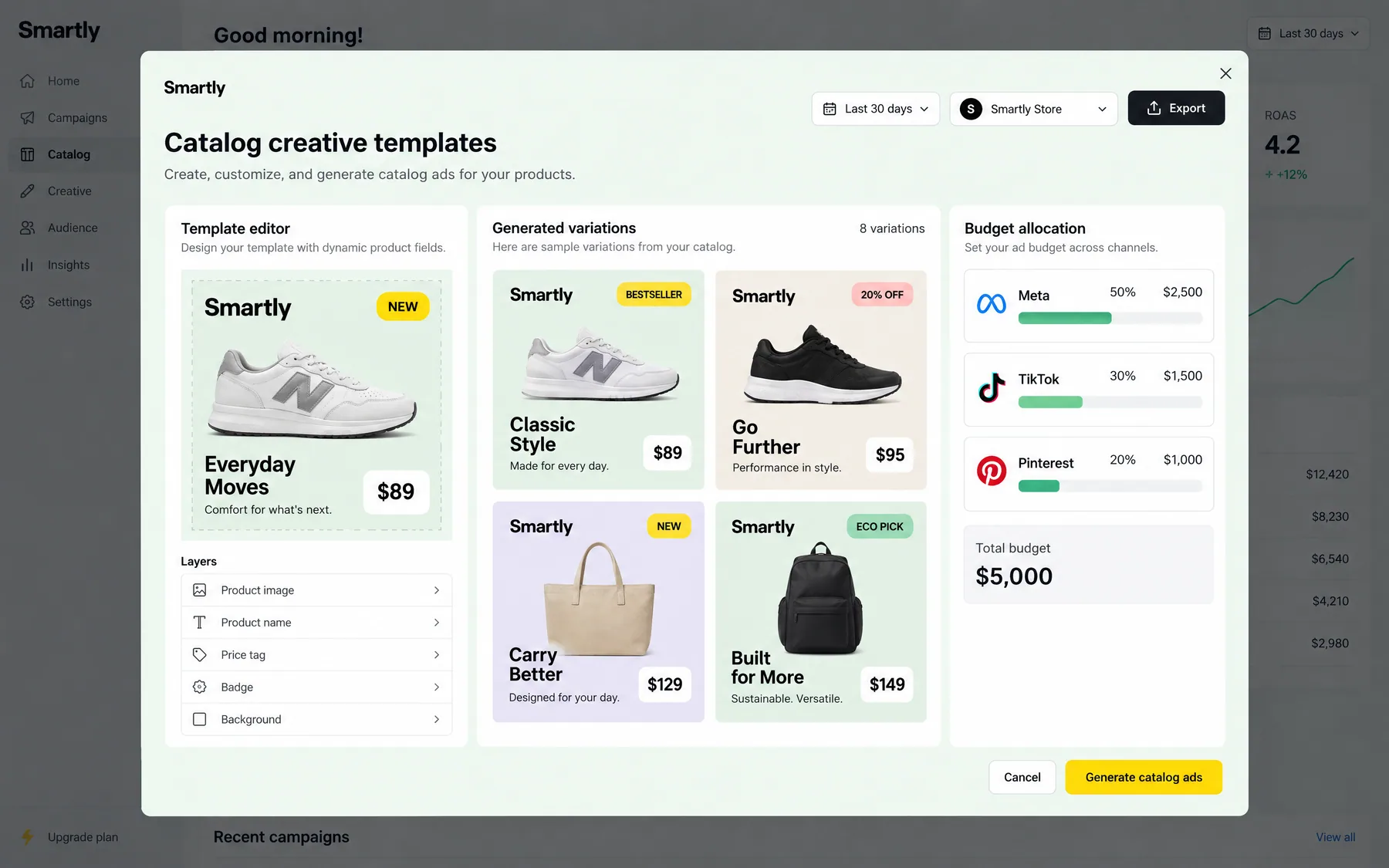
Smartly.io excels at dynamic creative optimization for catalog ads. It automatically generates product ad variations using templates tied to your feed, then tests creative elements like overlays, price badges, and lifestyle backgrounds at scale. For enterprise e-commerce brands running thousands of SKUs on Meta, Smartly.io reduces the creative bottleneck that limits most DPA campaigns. The trade-off is enterprise pricing and a steep onboarding curve.

Runner-up: Madgicx

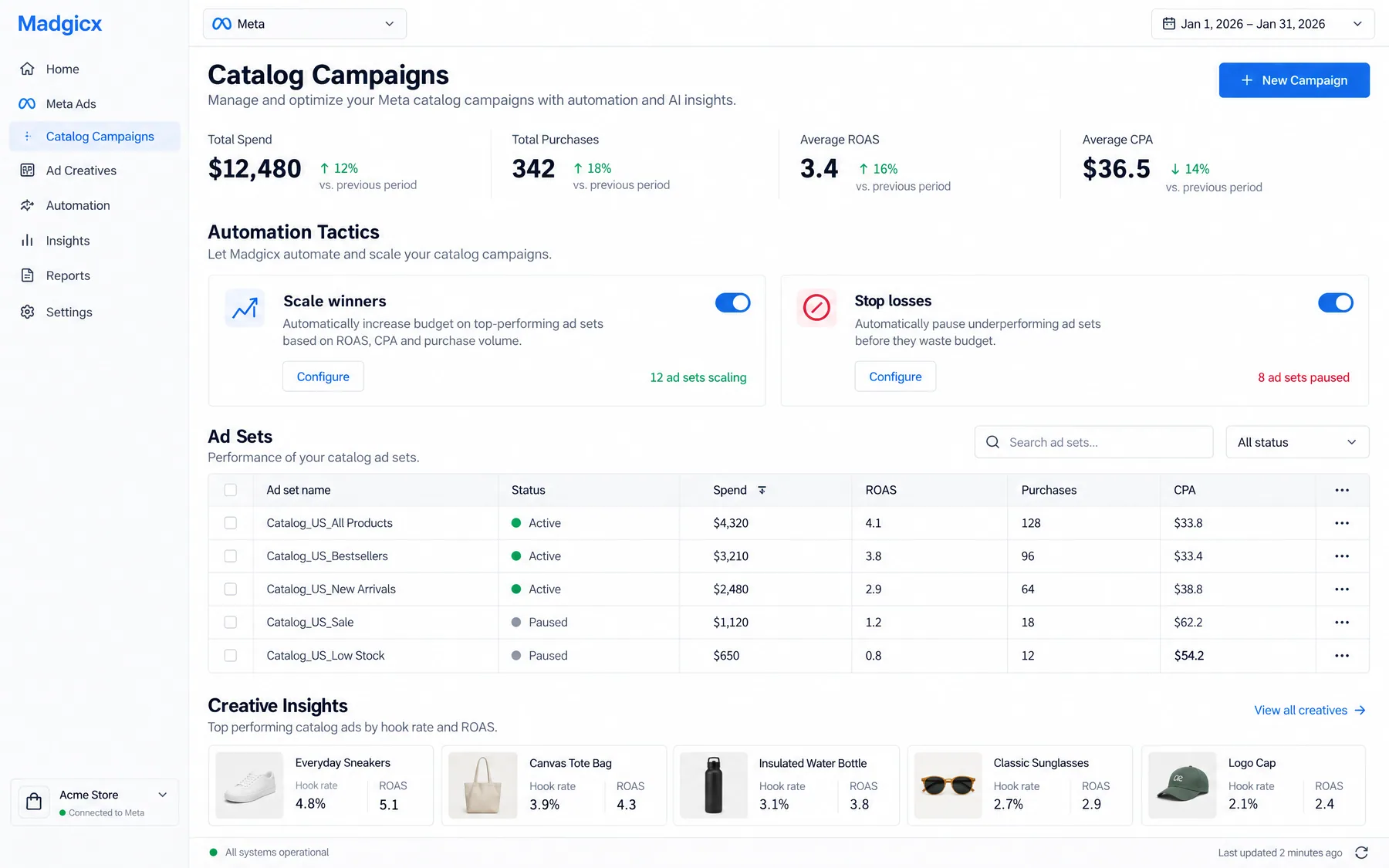
Madgicx is built for Meta-first e-commerce brands. Its audience AI automatically creates and tests targeting combinations that you would not think to try manually. The Automation Tactician feature monitors campaign performance and adjusts budgets across ad sets based on real-time ROAS. At $44/mo it is significantly more accessible than Smartly.io, making it a strong choice for DTC brands spending $5K to $50K per month on Meta.

Also strong: Ryze AI

Ryze AI deserves mention here as well because it manages Meta product ads alongside Google Shopping from a single interface. For stores that split budget between both platforms, Ryze AI eliminates the need for separate tools and provides cross-platform ROAS insights that inform budget allocation decisions.


Best for Amazon PPC

Amazon PPC operates in its own universe. Sponsored Products, Sponsored Brands, and Sponsored Display each follow different auction dynamics. The AI tools that matter here need native Amazon integration, keyword harvesting from auto campaigns, and an understanding of organic rank interactions.

Top pick: Perpetua

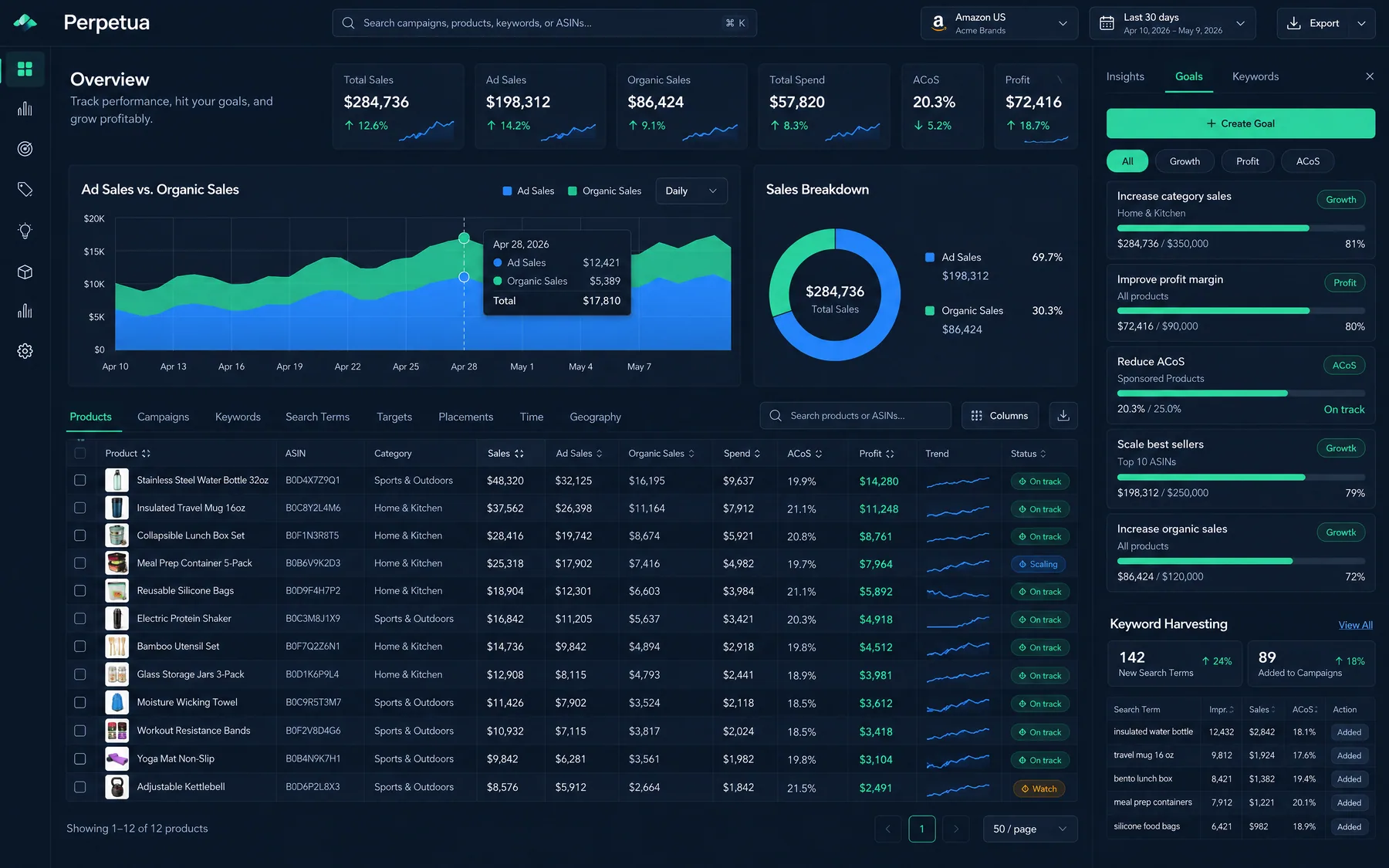
Perpetua is purpose-built for marketplace advertising. It handles Amazon Sponsored Products, Sponsored Brands, and Sponsored Display with AI that understands the unique dynamics of Amazon's auction system. The keyword harvesting engine automatically graduates converting search terms from auto campaigns to manual campaigns with optimized bids. Perpetua also provides share-of-voice tracking so you know how visible your products are relative to competitors. Beyond Amazon, it covers Walmart and Instacart, which matters for brands selling across multiple marketplaces.

Runner-up: Adspert

Adspert covers Amazon alongside Google and Microsoft, making it a solid choice for sellers who want one bid optimization tool across all their ad channels. Its profit-based bidding on Amazon factors in FBA fees, referral fees, and cost of goods to optimize for actual margin rather than just ACoS. The limitation is that it focuses almost entirely on bidding and does not help with keyword research, listing optimization, or creative.


Detailed Reviews

1. Ryze AI

Platforms: Google Shopping, Performance Max, Meta dynamic product ads

Pricing: From $100/mo

Ryze AI is built around the idea that e-commerce brands should not need to switch between platforms to manage their product advertising. It connects directly to Google Ads and Meta Ads, pulling product-level performance data into a unified dashboard. The AI layer analyzes ROAS at the product group level and automatically adjusts bids and budgets based on what is actually converting.

The ChatGPT integration is the most distinctive feature. You can interact with your campaigns in natural language: "Show me all product groups with ROAS below 2x in the last 14 days" or "Pause all Shopping campaigns for out-of-stock items." This dramatically lowers the technical barrier for store owners who know their products but are not Google Ads experts.

Strengths: Unified Google + Meta management, natural language campaign controls, ROAS optimization at the product level, accessible price point for small to mid-size stores.

Weaknesses: Does not cover Amazon. No native feed optimization (you will still need Google Merchant Center or a feed tool). Best suited for stores focused on Google and Meta rather than marketplace sellers.

2. AdScale

Platforms: Google, Meta, TikTok (with Shopify integration)

Pricing: From $150/mo

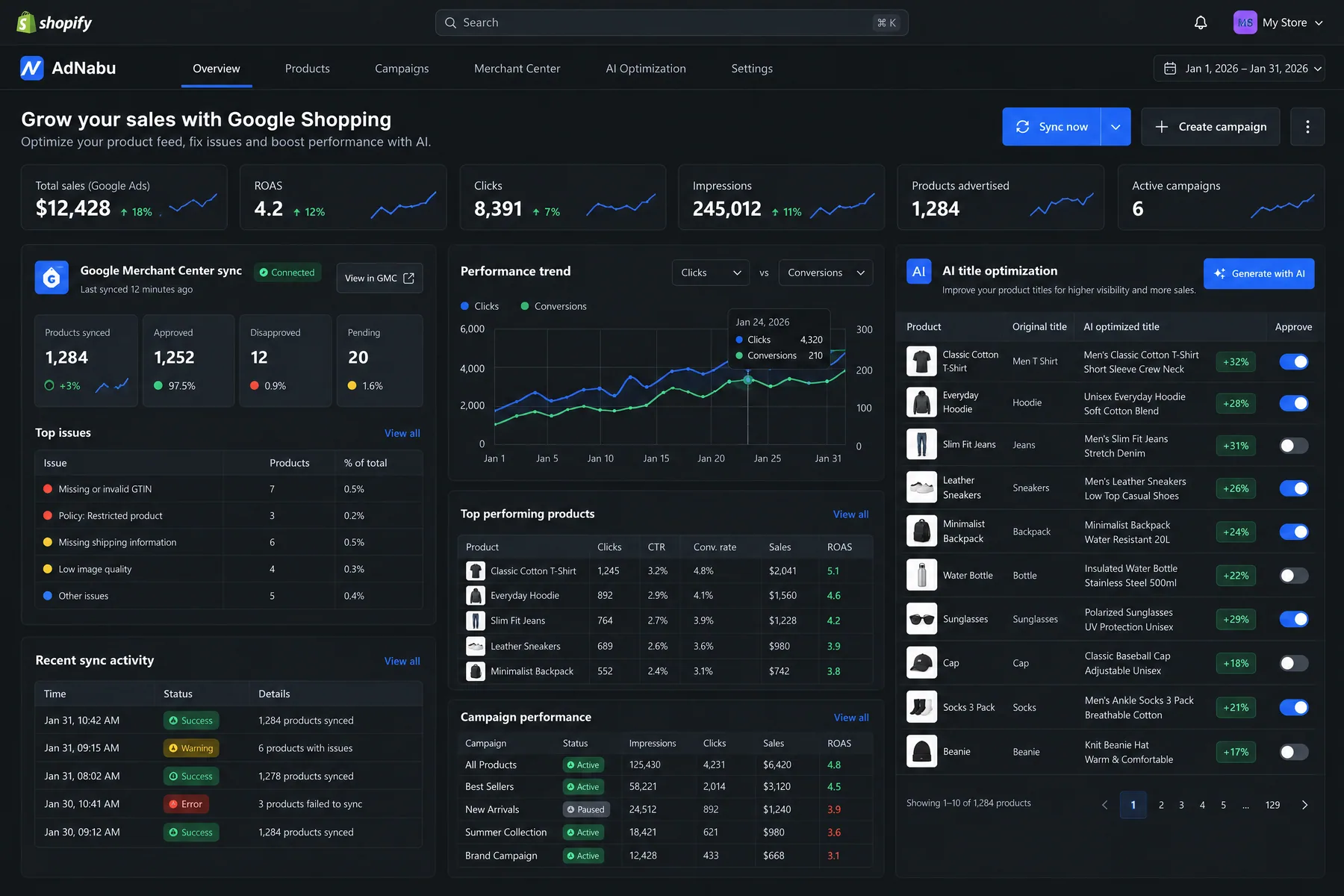
AdScale is designed specifically for Shopify merchants. It pulls product data directly from your Shopify store and automatically creates campaigns across Google Shopping and Meta. The AI handles bid adjustments, budget allocation, and audience targeting based on your store's conversion data. It also includes basic creative generation for product ads.

Strengths: Deep Shopify integration, automated campaign creation from product catalog, handles cross-platform budget allocation, includes SMS and email marketing features.

Weaknesses: Heavily Shopify-dependent. If you are on WooCommerce, BigCommerce, or a custom platform, AdScale is not a good fit. The AI optimization is less granular than dedicated tools like Ryze AI for Google or Perpetua for Amazon. The bundled marketing features (SMS, email) add cost if you already have those covered.

3. Adspert

Platforms: Google, Amazon, Microsoft Ads, eBay Ads

Pricing: From $99/mo

Adspert is a bid optimization specialist. It connects to your product cost data and optimizes bids based on actual profit, not just ROAS or CPA. For e-commerce stores with wide margin variation across their catalog, this is significant. A product with 60% margin and a product with 15% margin need very different bid strategies, and Adspert handles this automatically.

Strengths: Profit-based bidding (not just revenue-based), covers both search and marketplace channels, transparent optimization logic, reasonable pricing.

Weaknesses: Bid-only tool. No creative help, no feed optimization, no campaign structure recommendations. You need to bring well-structured campaigns to the table. Interface is functional but not visually polished.

4. Perpetua

Platforms: Amazon, Walmart, Instacart

Pricing: From $250/mo

Perpetua is the gold standard for Amazon PPC automation. Its AI engine manages the full lifecycle of Amazon campaigns: keyword discovery, bid optimization, budget pacing, and performance reporting. The keyword harvesting feature is particularly valuable. It automatically mines converting search terms from auto campaigns, creates manual campaigns, and sets appropriate bids based on predicted conversion rates.

Strengths: Deep Amazon expertise, automated keyword harvesting, share of voice tracking, multi-marketplace support (Amazon, Walmart, Instacart), strong reporting.

Weaknesses: Amazon-centric. If Google and Meta are your primary channels, Perpetua does not help. Higher starting price than most tools. Some sellers report the AI is too aggressive with bid increases during the initial learning period.

5. Madgicx

Platforms: Meta (primary), Google

Pricing: From $44/mo

Madgicx built its reputation on Meta advertising for e-commerce. The AI Audience feature creates and tests targeting strategies automatically, including AI lookalikes that go beyond Meta's native options. The Automation Tactician monitors performance metrics and adjusts budgets across ad sets without manual intervention.

Strengths: Excellent Meta audience targeting, affordable entry point, strong creative analytics that identify which visual elements drive performance, good for DTC brands.

Weaknesses: Google Ads support is basic compared to Meta. No Amazon or marketplace coverage. Creative insights are analytical only; it does not generate creative for you. The dashboard can feel overwhelming with the number of features.

6. Smartly.io

Platforms: Meta, TikTok, Pinterest, Snapchat, Google

Pricing: Enterprise (typically $5K+/mo)

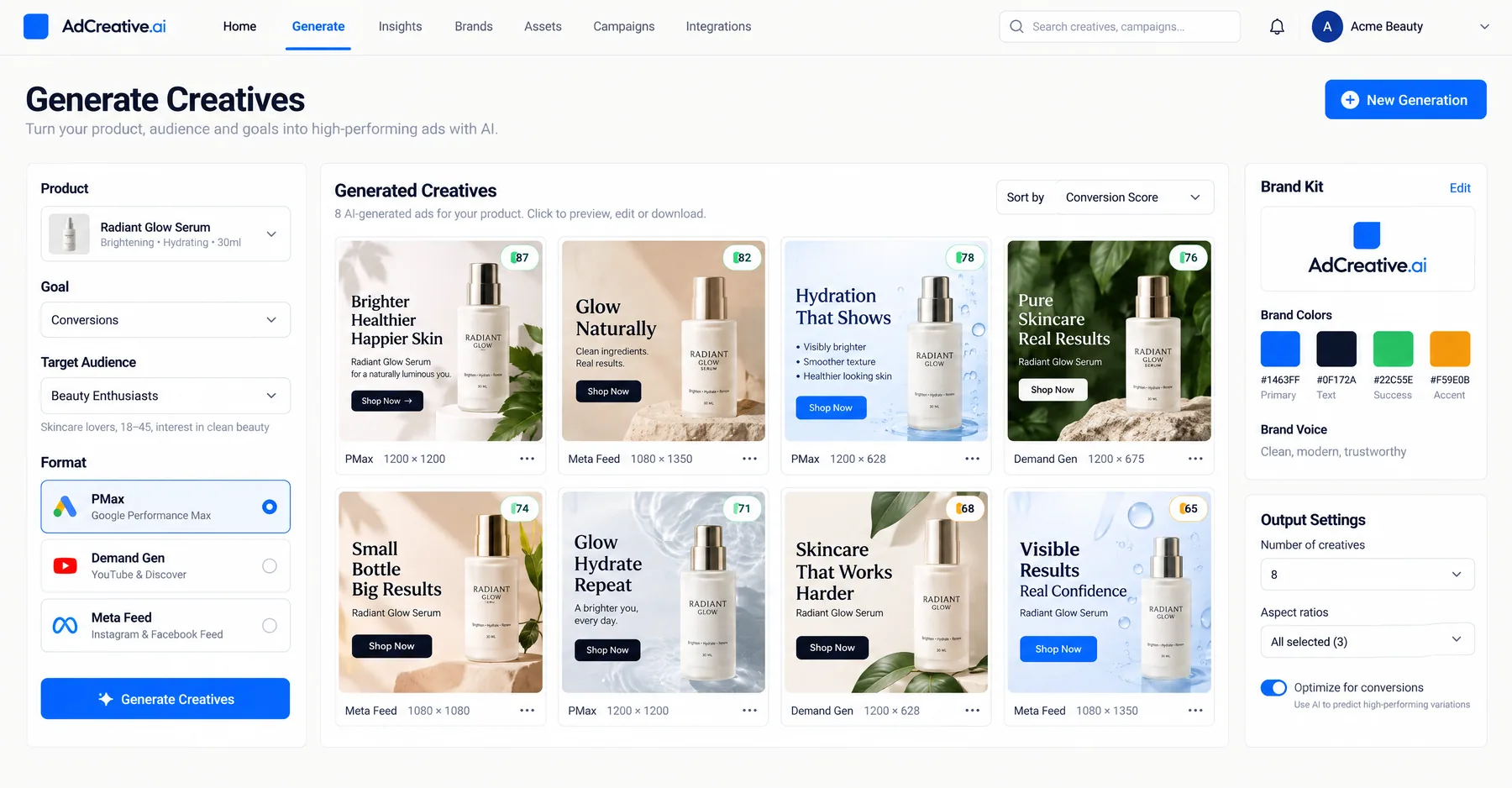
Smartly.io is an enterprise-grade platform that combines dynamic creative optimization with campaign management. For e-commerce, its standout capability is automated product creative generation. You define templates, connect your product feed, and Smartly.io generates thousands of ad variations with dynamic pricing, promotional overlays, and lifestyle imagery, then tests them automatically.

Strengths: Best-in-class dynamic creative optimization, handles massive catalog sizes, multi-platform creative distribution, strong automation workflows.

Weaknesses: Enterprise pricing puts it out of reach for most small and mid-size stores. Onboarding takes weeks. Requires dedicated resources to get full value. Overkill if you are spending less than $30K/mo on paid social.


Feed Management Tools

Your product feed is the foundation of e-commerce PPC. Bad feed data means wasted spend regardless of how good your bidding AI is. These two tools specialize in making your product data work harder.

Feedonomics

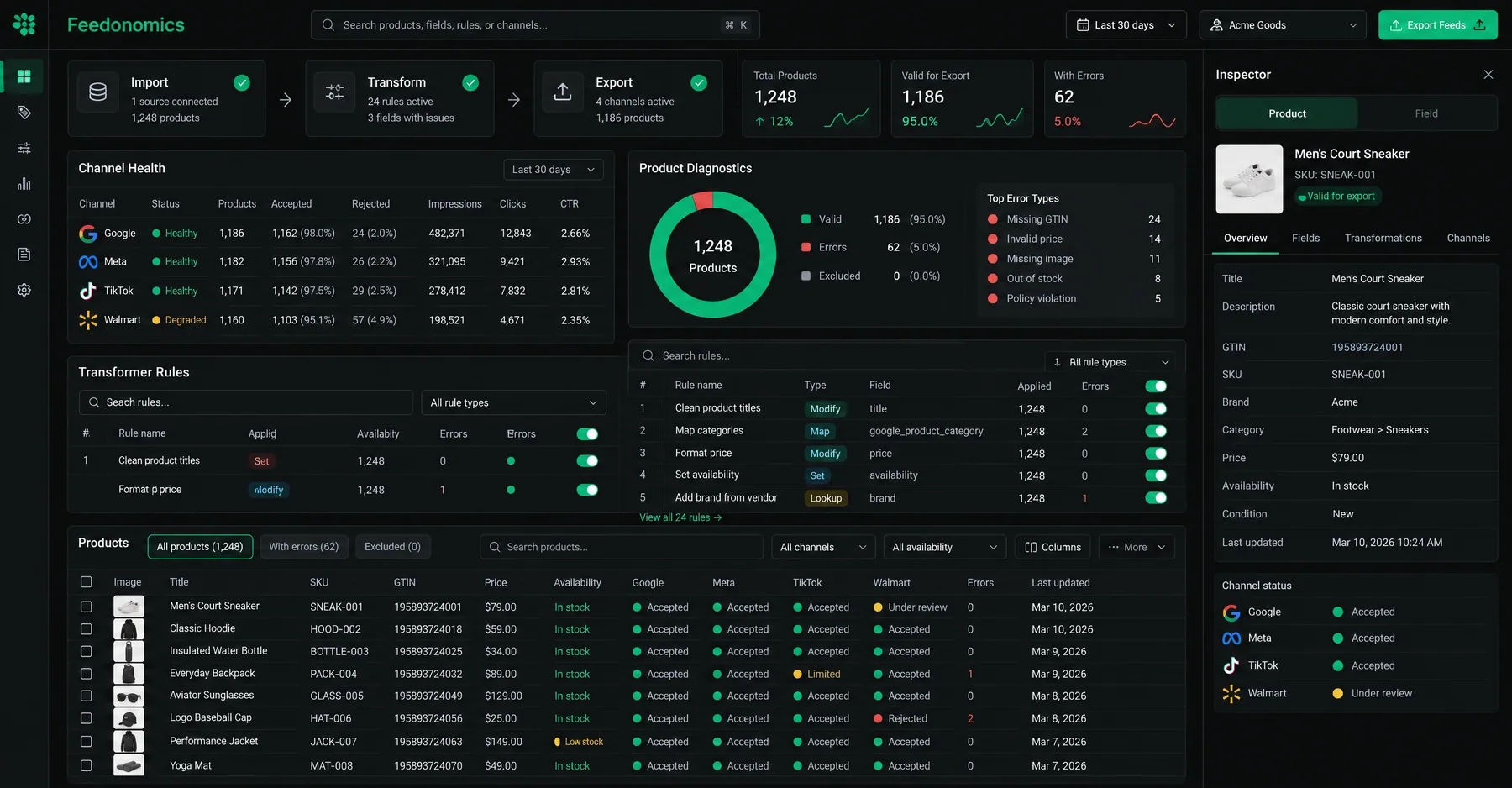
Feedonomics is a full-service feed management platform used by large e-commerce brands. It handles feed optimization, error resolution, and distribution across 100+ channels. The AI features include automatic title optimization (adding search-relevant attributes), category mapping, and performance-based feed segmentation that splits your products into tiers based on conversion data.

Best for: Enterprise stores with 10,000+ SKUs that need hands-on feed management. Pricing is custom and typically starts in the thousands per month, reflecting the managed service component.

DataFeedWatch

DataFeedWatch is a self-service feed optimization tool that supports 2,000+ shopping channels. It provides a rules engine for transforming product data (combining fields, filtering products, rewriting titles) and channel-specific optimization that reformats your feed for each platform's requirements. The AI component suggests title improvements and identifies products with feed errors.

Best for: Small to mid-size stores that want to manage feeds themselves. Starting at $64/mo, it is the most cost-effective way to improve product data quality across Google Shopping and Meta.


FAQ

What is the best AI for Google Shopping ads?

For most e-commerce stores, Ryze AI offers the strongest combination of Google Shopping optimization and accessibility. It manages Performance Max and standard Shopping campaigns with product-level ROAS optimization, and the natural language interface makes it usable without deep Google Ads expertise. For stores that also sell on Amazon and want one bidding tool across both, Adspert is a strong alternative with its profit-based bidding approach.

Can AI optimize product feeds?

Yes, but most AI ad management tools do not include feed optimization natively. You typically need a dedicated feed tool like Feedonomics or DataFeedWatch alongside your campaign management platform. These tools use AI to rewrite product titles with search-relevant attributes, fix categorization errors, and filter out low-performing products from your advertising feed. The impact is significant: well-optimized product titles alone can improve Shopping ad CTR by 15 to 30 percent.

What ROAS should e-commerce stores target?

There is no universal answer because it depends entirely on your margins. A general benchmark: stores with 50%+ gross margins can profitably target 3x to 4x ROAS. Stores with 20 to 30 percent margins typically need 5x to 8x ROAS to break even on ad spend. The key insight is that ROAS targets should be set at the product category level, not the account level. A high-margin accessory and a low-margin electronics item should have very different ROAS goals. AI tools like Ryze AI and Adspert can manage these variable targets across thousands of SKUs automatically.

How does AI handle seasonal demand in e-commerce?

The best AI tools learn from historical patterns and pre-adjust campaigns before demand shifts happen. Perpetua and Adspert analyze year-over-year data to identify seasonal ramps (like the October build-up to Black Friday) and automatically increase bids and budgets ahead of the demand curve. They also detect inventory-level signals to avoid bidding on products that will stock out. Less sophisticated tools only react to real-time performance changes, which means they are always a few days behind during fast-moving seasonal events.

What is the best AI for Shopify product ads?

AdScale is the most Shopify-native option, with a direct integration that pulls product data, syncs inventory, and creates campaigns automatically. However, if your primary channels are Google Shopping and Meta (which they are for most Shopify stores), Ryze AI provides stronger optimization on those specific platforms. The best approach for Shopify stores spending more than $3K/mo is to use Ryze AI for campaign optimization and DataFeedWatch for feed management, connecting both to your Shopify product catalog.


Verdict

There is no single AI tool that handles every e-commerce PPC need. The right choice depends on which platforms drive your revenue.

  • Google Shopping + Meta product ads: Ryze AI gives you unified management with natural language controls from $100/mo. It is the most practical choice for stores that split budget between the two largest ad platforms.
  • Amazon-first sellers: Perpetua is purpose-built for marketplace advertising and handles the unique dynamics of Amazon, Walmart, and Instacart PPC.
  • Multi-marketplace with tight margins: Adspert's profit-based bidding across Google, Amazon, and Microsoft ensures you are optimizing for actual profit, not vanity ROAS.
  • Shopify all-in-one: AdScale offers the tightest Shopify integration, though its optimization depth is shallower than specialized tools.
  • Meta-heavy DTC brands: Madgicx delivers strong audience AI and creative analytics at the lowest price point ($44/mo).
  • Enterprise with massive catalogs: Smartly.io's dynamic creative optimization is unmatched for brands spending $30K+/mo on social.

Whatever you choose for campaign management, pair it with a feed optimization tool. DataFeedWatch at $64/mo covers most stores. Feedonomics is the upgrade for enterprise catalogs. Your product feed is the raw material every AI tool works with. Clean, optimized feed data amplifies everything these platforms do.

For most e-commerce brands running Google Shopping and Meta in 2026, Ryze AI combined with DataFeedWatch gives you the strongest foundation: AI-powered campaign optimization on the platforms that matter most, backed by clean product data. Start there, then layer in Perpetua or Adspert as you expand into marketplaces.

Manages all your accounts
Google Ads
Connect
Meta
Connect
Shopify
Connect
GA4
Connect
Amazon
Connect
Creatives optimization
Next Ad
ROAS1.8x
CPA$45
Ad Creative
ROAS3.2x
CPA$12
24/7 ROAS improvements
Pause 27 Burning Queries
0 conversions (30d)
+$1.8k
Applied
Split Brand from Non-Brand
ROAS 8.2 vs 1.6
+$3.7k
Applied
Isolate "Project Mgmt"
Own ad group, bid down
+$5.8k
Applied
Raise Brand US Cap
Lost IS Budget 62%
+$3.2k
Applied
Monthly Impact
$0/ mo
Next Gen of Marketing

Let AI Run Your Ads