Goseboze AI Tools for PPC: Which Ones Actually Work?

Angrez Aley

Angrez Aley

Senior paid ads manager

20259 min read

Every week another AI tool promises to revolutionize your PPC campaigns. Directories like Goseboze list hundreds of them. Most won't help you.

Here's a skeptical practitioner's take on finding AI tools that actually deliver for PPC marketers—and how to avoid the ones that don't.

The AI Tool Explosion Problem

Goseboze and similar AI directories have thousands of listings. The barrier to entry is low: build something that uses an API, write compelling copy, submit your listing.

The result: a flood of tools where marketing quality exceeds product quality. For PPC marketers, this creates work—sorting through options to find the few tools worth using.

Most AI tools fall into predictable categories:

Wrappers. Tools that put a UI on top of ChatGPT or Claude and call it "AI-powered advertising." Minimal unique value.

Vaporware. Impressive demos, limited actual functionality. Great at getting trials, bad at delivering results.

Point solutions. Solve one narrow problem well, but don't justify the integration overhead for most advertisers.

Platform replicas. Recreate what Google and Meta already offer natively, sometimes worse.

Genuine innovations. Actually solve real problems in new ways. Rare, but they exist.

Your job: find the last category.

What Actually Works in AI for PPC

After years of testing AI tools, patterns emerge for what delivers value:

Bid Management Automation

Works when: You have sufficient conversion volume, clear optimization targets, and patience for learning periods.

Doesn't work when: Low volume campaigns, constantly changing goals, or need for granular manual control.

Best approach: Start with platform-native AI (Smart Bidding, Advantage+) before adding third-party tools. Most advertisers don't need more than what Google and Meta provide.

Creative Generation

Works when: You need volume and variety. Testing many creative variants, iterating quickly, producing platform-specific formats.

Doesn't work when: You need breakthrough creative concepts, brand-sensitive executions, or truly original ideas.

Best approach: Use AI for iteration and variation, not ideation. Human creative direction plus AI production scales well.

Reporting and Insights

Works when: You're drowning in data and need pattern recognition. Cross-platform analysis, anomaly detection, automated summaries.

Doesn't work when: You need strategic interpretation, context-dependent analysis, or recommendations that account for business realities AI can't see.

Best approach: AI for data processing, humans for strategic decisions. The tools that work best surface insights for human evaluation.

Audience Targeting

Works when: Platform AI does most of the work. Broad targeting with AI optimization outperforms manual segmentation in most cases.

Doesn't work when: You fight the platform AI with excessive constraints, or expect AI to find audiences that don't exist.

Best approach: Trust platform AI more than third-party audience tools. Feed good data signals; let algorithms optimize.

Red Flags in AI Tool Evaluation

When browsing Goseboze or evaluating any AI tool, watch for:

"Revolutionary" claims without specifics. Real tools explain what they do. Vague tools hide behind buzzwords.

No clear pricing. "Contact sales" often means enterprise pricing that doesn't fit your budget—or pricing they're making up based on what you'll pay.

Testimonials without attribution. "Marketing Director, E-commerce Company" isn't a real testimonial. Named customers with specific results matter.

Feature lists without outcomes. "AI-powered bid optimization" is a feature. "Average 23% ROAS improvement in 90-day test" is an outcome. Outcomes matter.

No free trial or pilot. Legitimate tools let you test. Tools that require annual commitments before you've seen results are risky.

Overclaiming on automation. "Fully automated campaigns" usually means "automated in ways that may not align with your goals."

The Tools Worth Investigating

Categories where AI tools genuinely help PPC marketers:

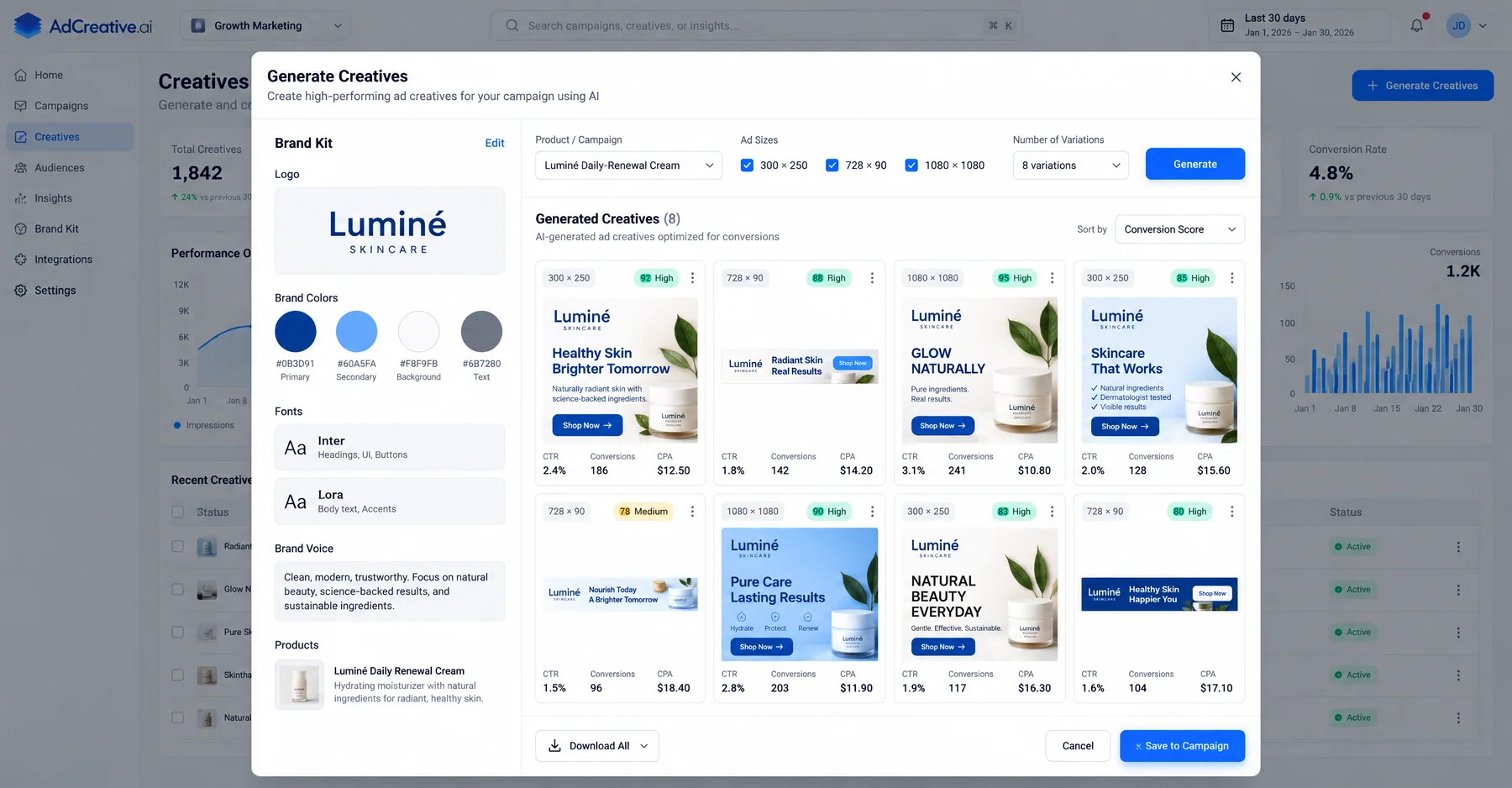
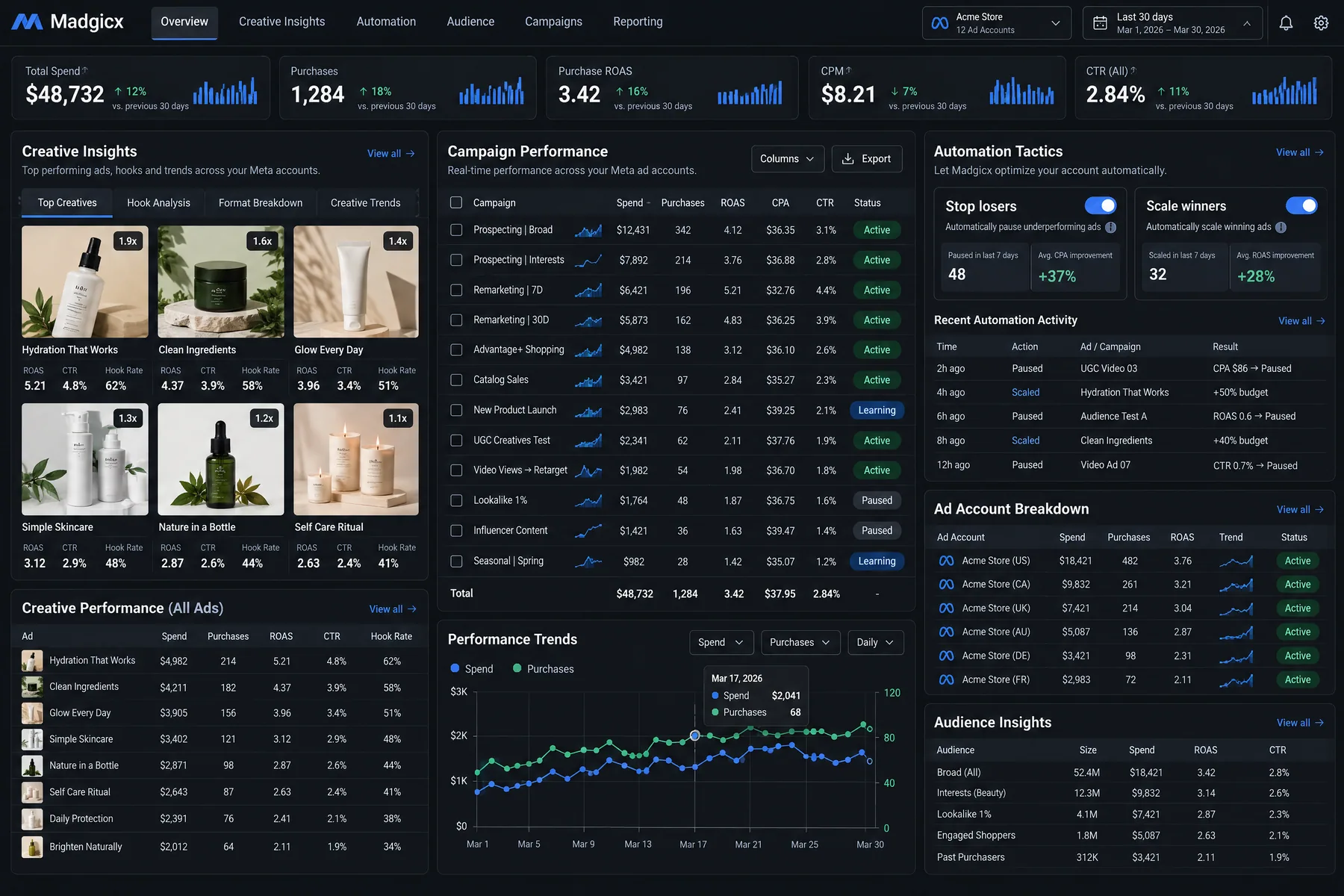
Creative testing and analytics. Tools like Motion, Foreplay, and AdCreative.ai help understand what's working and generate variations. Creative is where most advertisers underinvest.

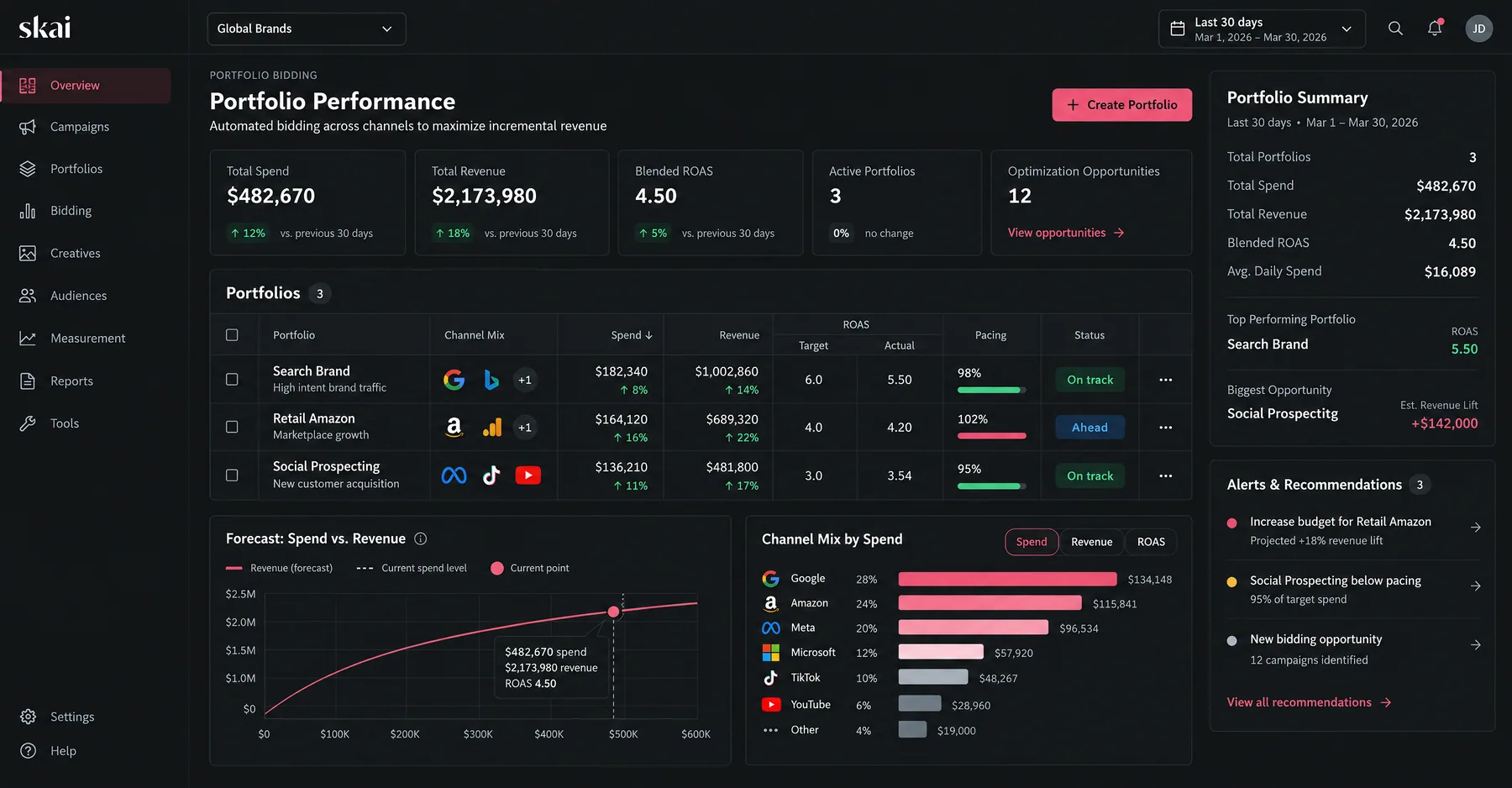
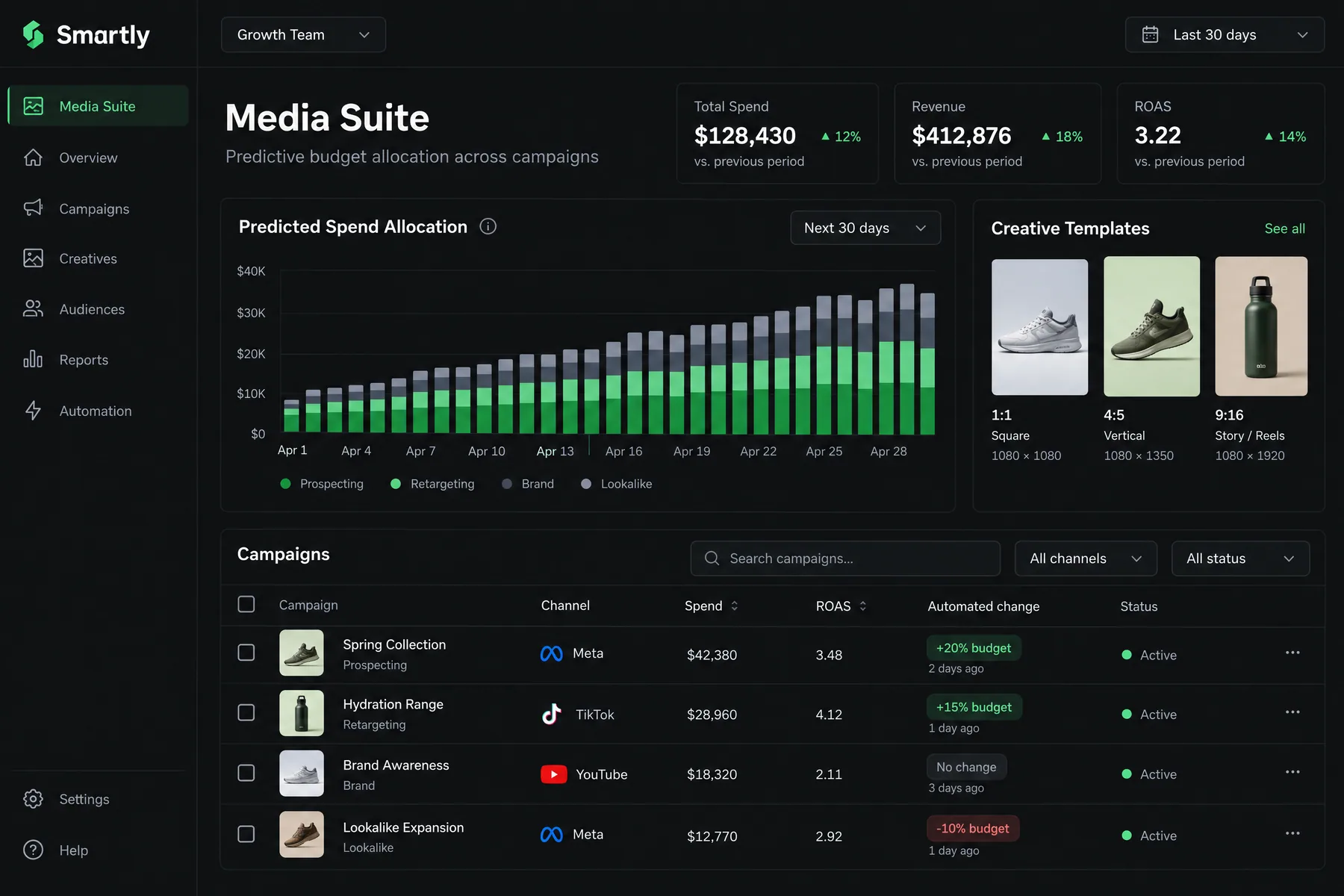
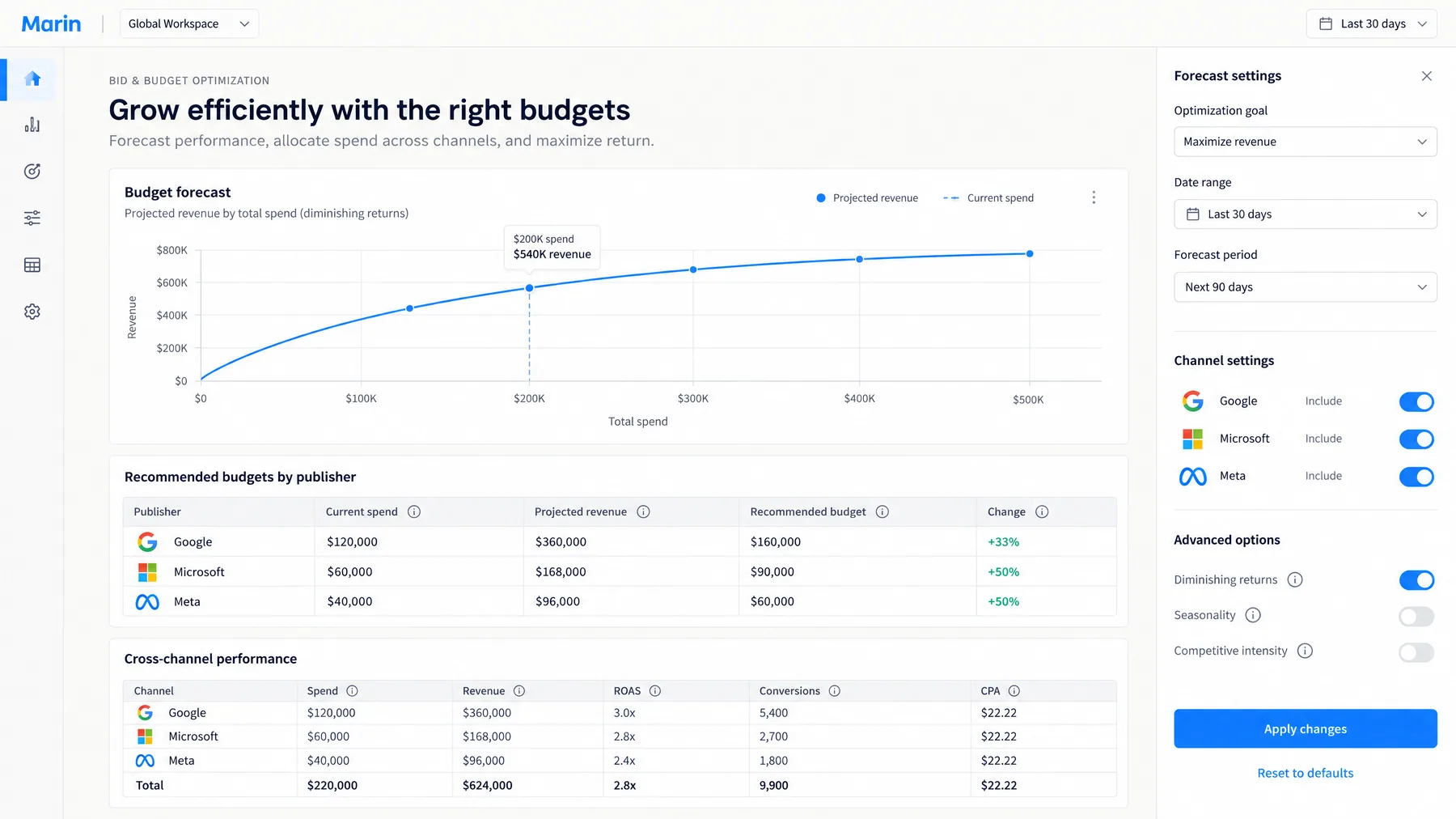
Cross-platform management. If you're managing Google, Meta, TikTok, and Microsoft with meaningful spend on each, unified platforms (Marin, Skai, Smartly) provide real efficiency.

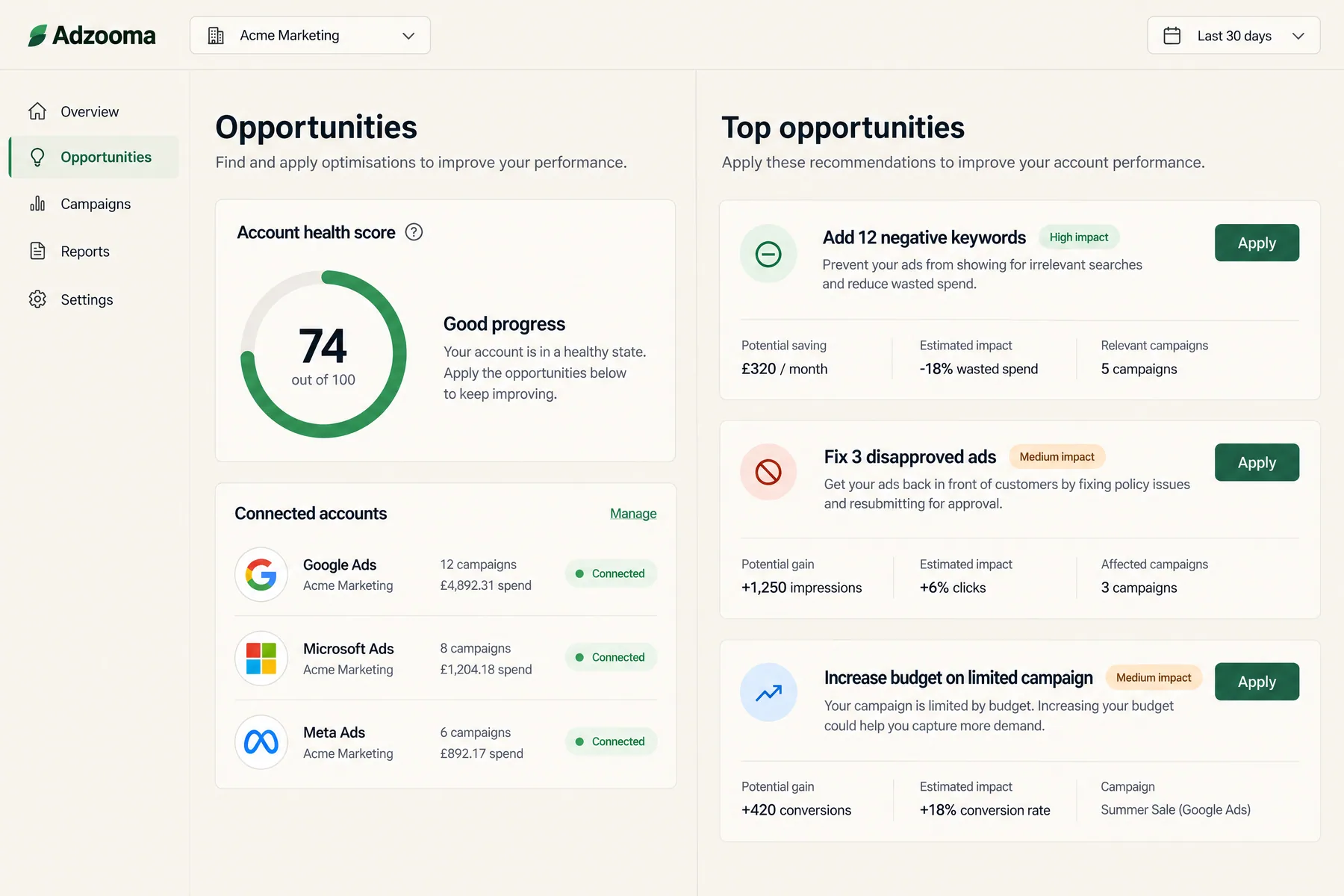
Feed optimization. For e-commerce, product feed tools with AI optimization (Feedonomics, DataFeedWatch) improve Shopping performance meaningfully.

Attribution and measurement. Post-cookie measurement requires new approaches. Tools like Northbeam, Triple Whale, and Measured help fill gaps platform attribution can't.

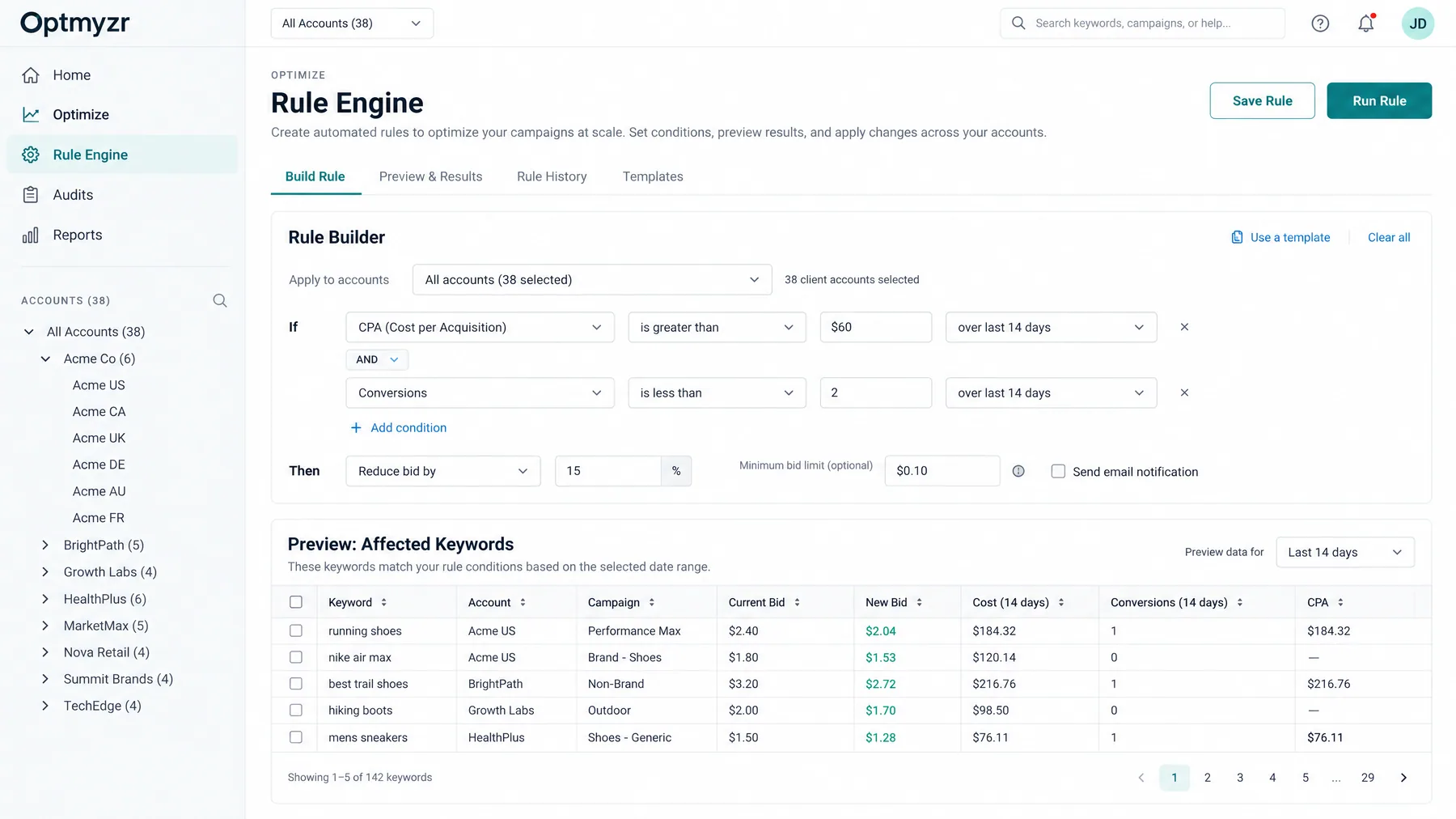
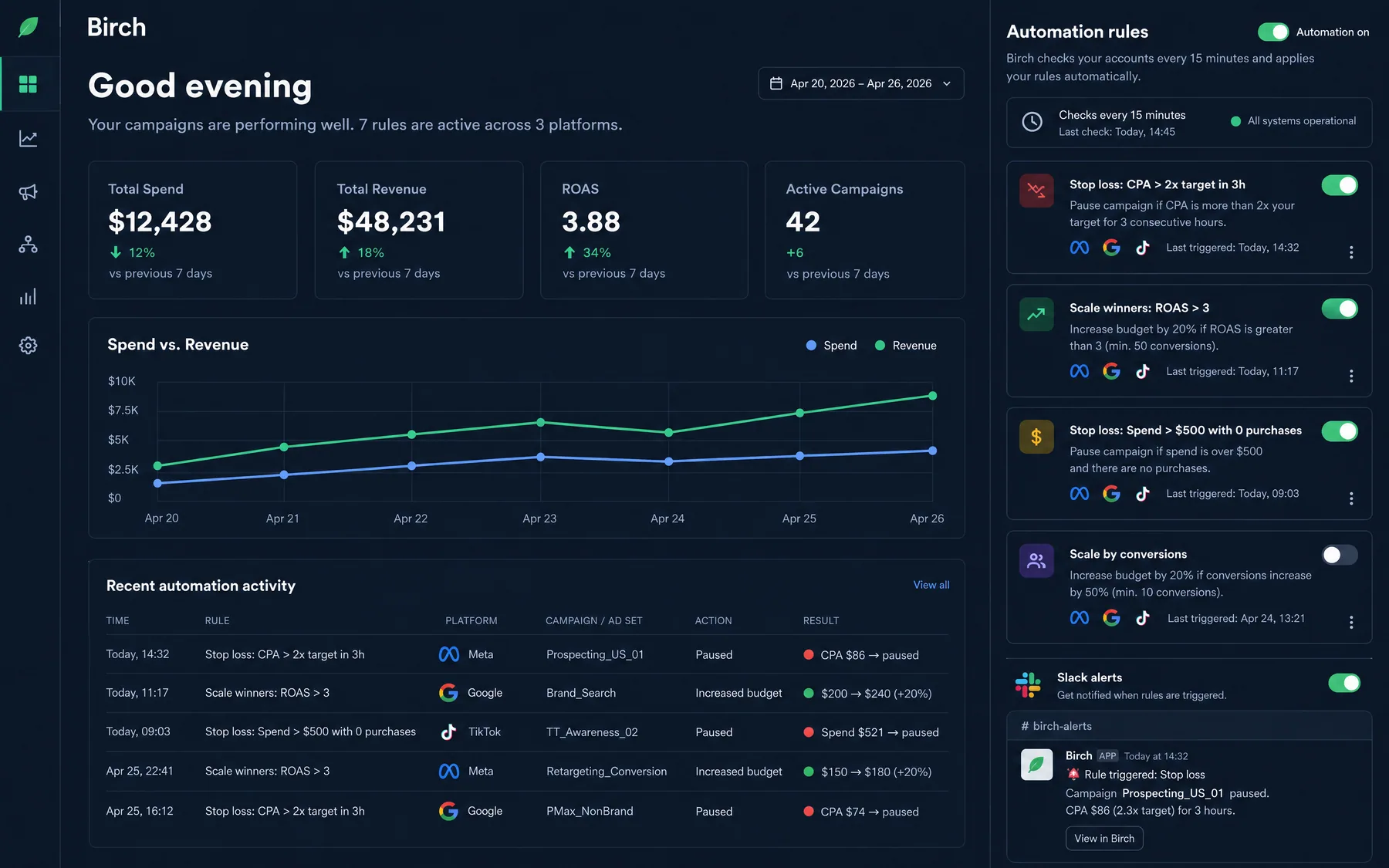
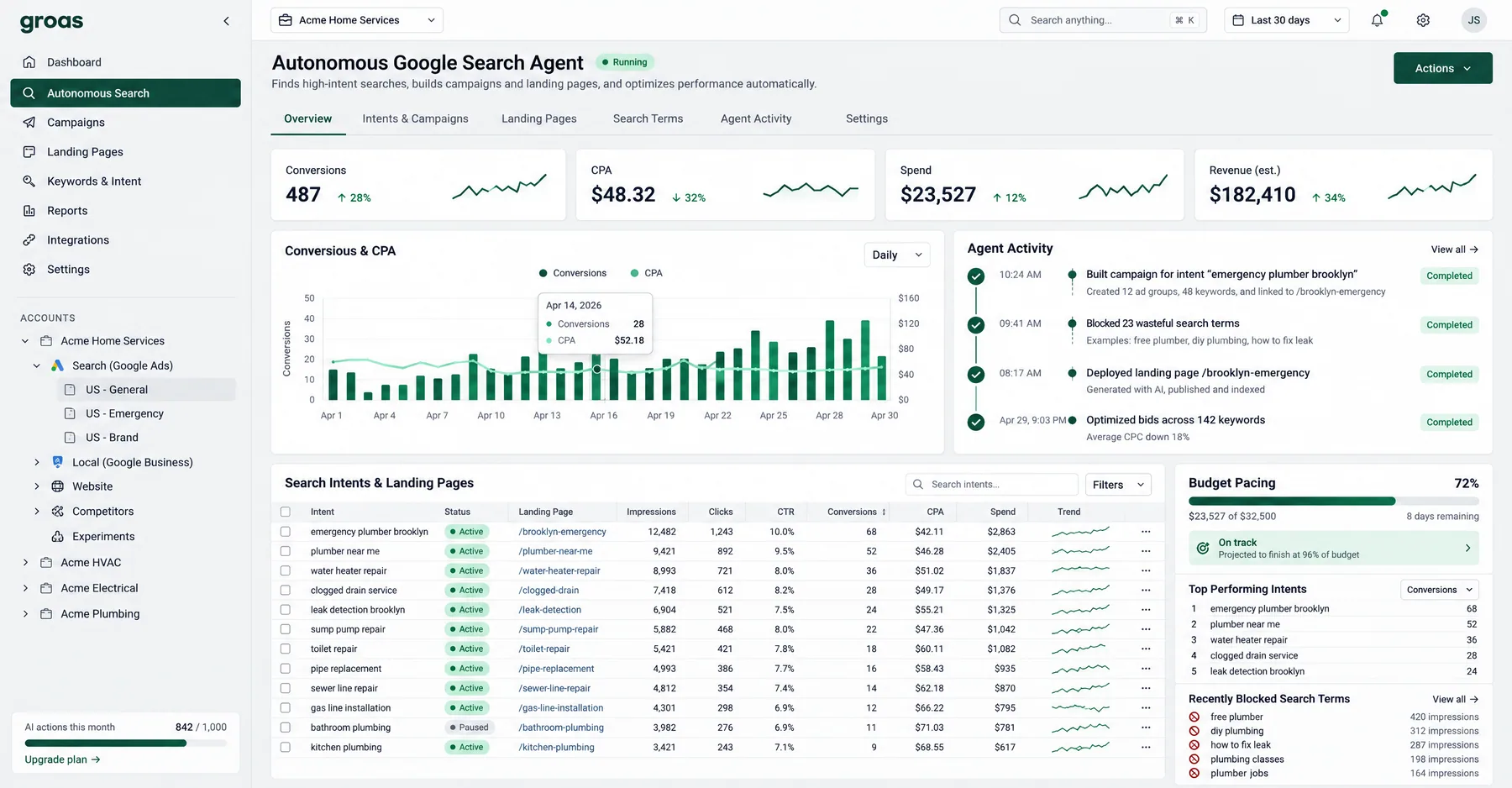
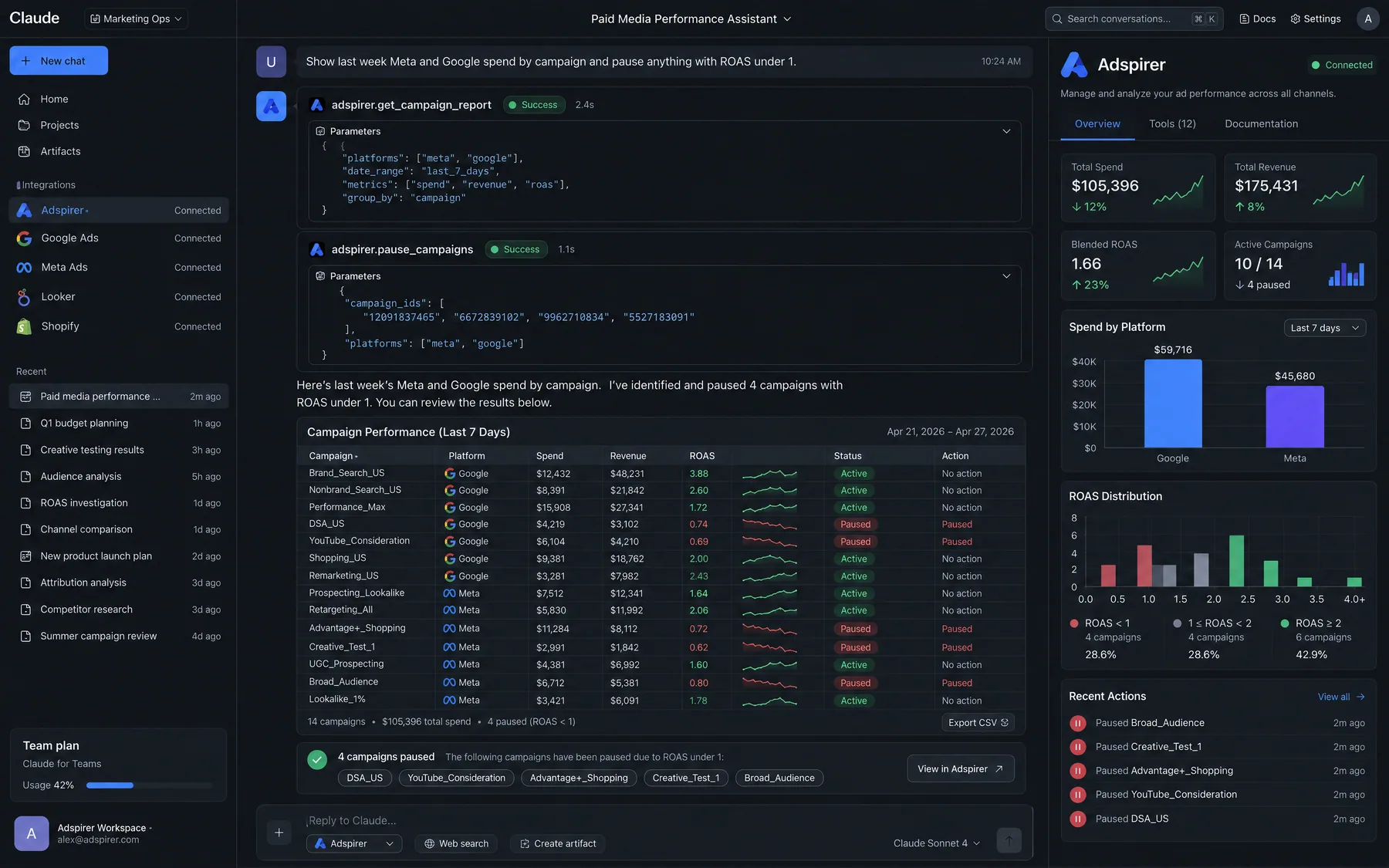
Campaign optimization. For marketers wanting AI-powered optimization without enterprise complexity, tools like Ryze AI provide accessible automation for Google and Meta campaigns.

A Practical Evaluation Framework

When you find a promising tool on Goseboze or elsewhere:

Week 1: Research

  • • Read independent reviews (not directory reviews)
  • • Search Reddit, Twitter, LinkedIn for real user experiences
  • • Check the company's funding, team, and history
  • • Understand pricing fully before starting trial

Week 2-3: Controlled Trial

  • • Define specific success metrics before starting
  • • Run on a subset of campaigns, not your entire account
  • • Keep a control group for comparison
  • • Document everything

Week 4: Evaluation

  • • Did it hit your success metrics?
  • • Was implementation burden reasonable?
  • • Does ongoing management fit your workflow?
  • • Is the cost justified by the results?

Most tools fail this process. That's useful information.

The Platform-First Principle

Before adding any third-party AI tool, maximize platform-native AI:

Google Ads: Smart Bidding, Performance Max, Responsive Search Ads, Auto-applied recommendations (selectively)

Meta Ads: Advantage+ campaigns, Advantage targeting, Advantage creative

Microsoft Ads: Automated bidding, Copilot recommendations

Platform AI has advantages third-party tools can't match: more data, deeper integration, no additional cost. Start here. Add third-party tools only for gaps platform AI doesn't fill.

The Bottom Line

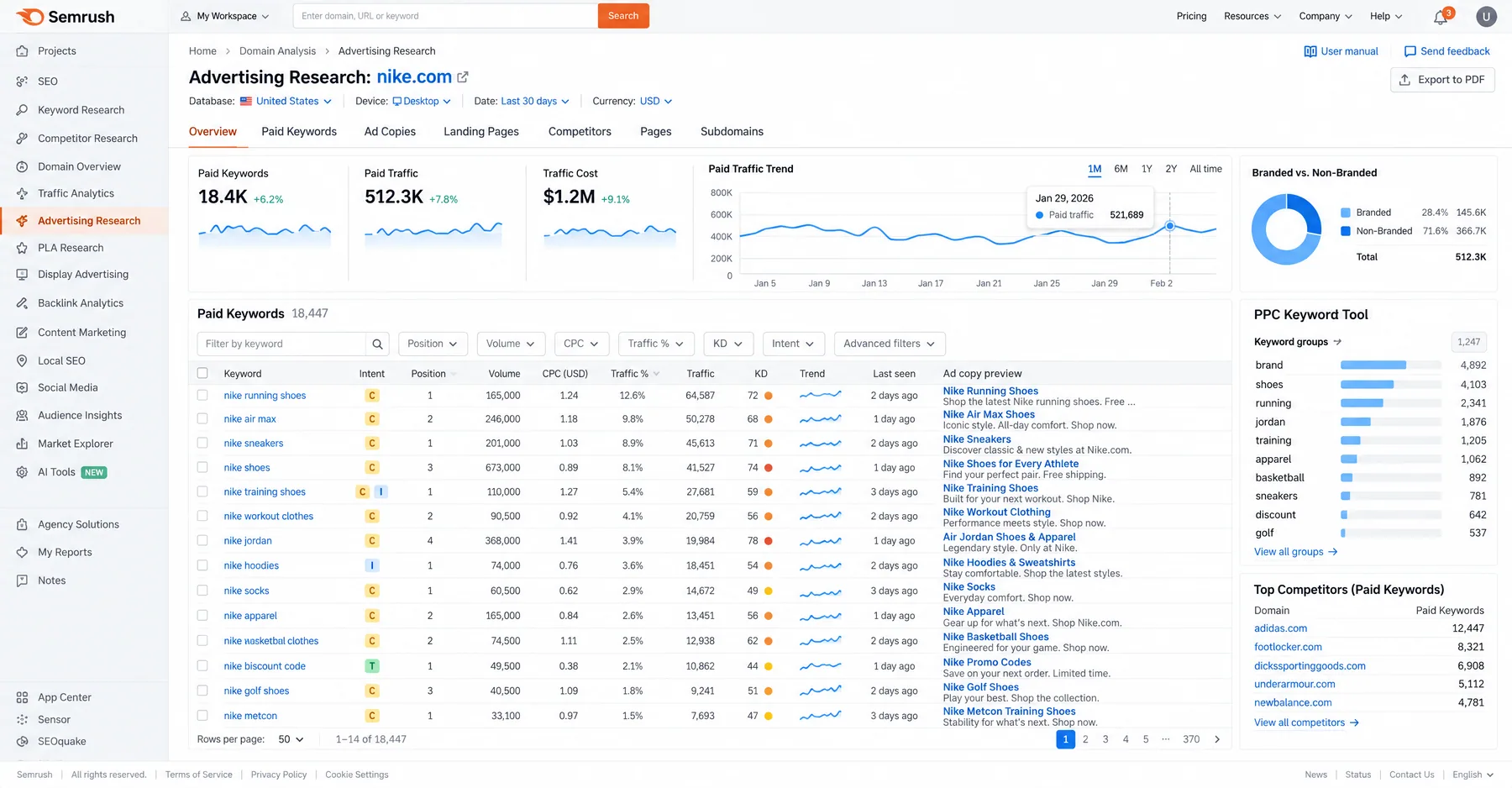
Goseboze and AI directories are discovery tools, not quality filters. Most listed tools won't help your PPC performance.

The tools that work share characteristics: specific problems solved, transparent methodology, provable results, reasonable integration burden.

Approach with skepticism. Test with rigor. Keep what works, discard what doesn't.

The right AI tools exist. Finding them requires more effort than browsing a directory. That effort is worth it when you find tools that genuinely improve performance. Be skeptical. Test everything. Trust results over promises.

Manages all your accounts
Google Ads
Connect
Meta
Connect
Shopify
Connect
GA4
Connect
Amazon
Connect
Creatives optimization
Next Ad
ROAS1.8x
CPA$45
Ad Creative
ROAS3.2x
CPA$12
24/7 ROAS improvements
Pause 27 Burning Queries
0 conversions (30d)
+$1.8k
Applied
Split Brand from Non-Brand
ROAS 8.2 vs 1.6
+$3.7k
Applied
Isolate "Project Mgmt"
Own ad group, bid down
+$5.8k
Applied
Raise Brand US Cap
Lost IS Budget 62%
+$3.2k
Applied
Monthly Impact
$0/ mo
Next Gen of Marketing

Let AI Run Your Ads