





















MARKETING AUTOMATION
AI Driven Marketing Automation — Complete 2026 Implementation Guide
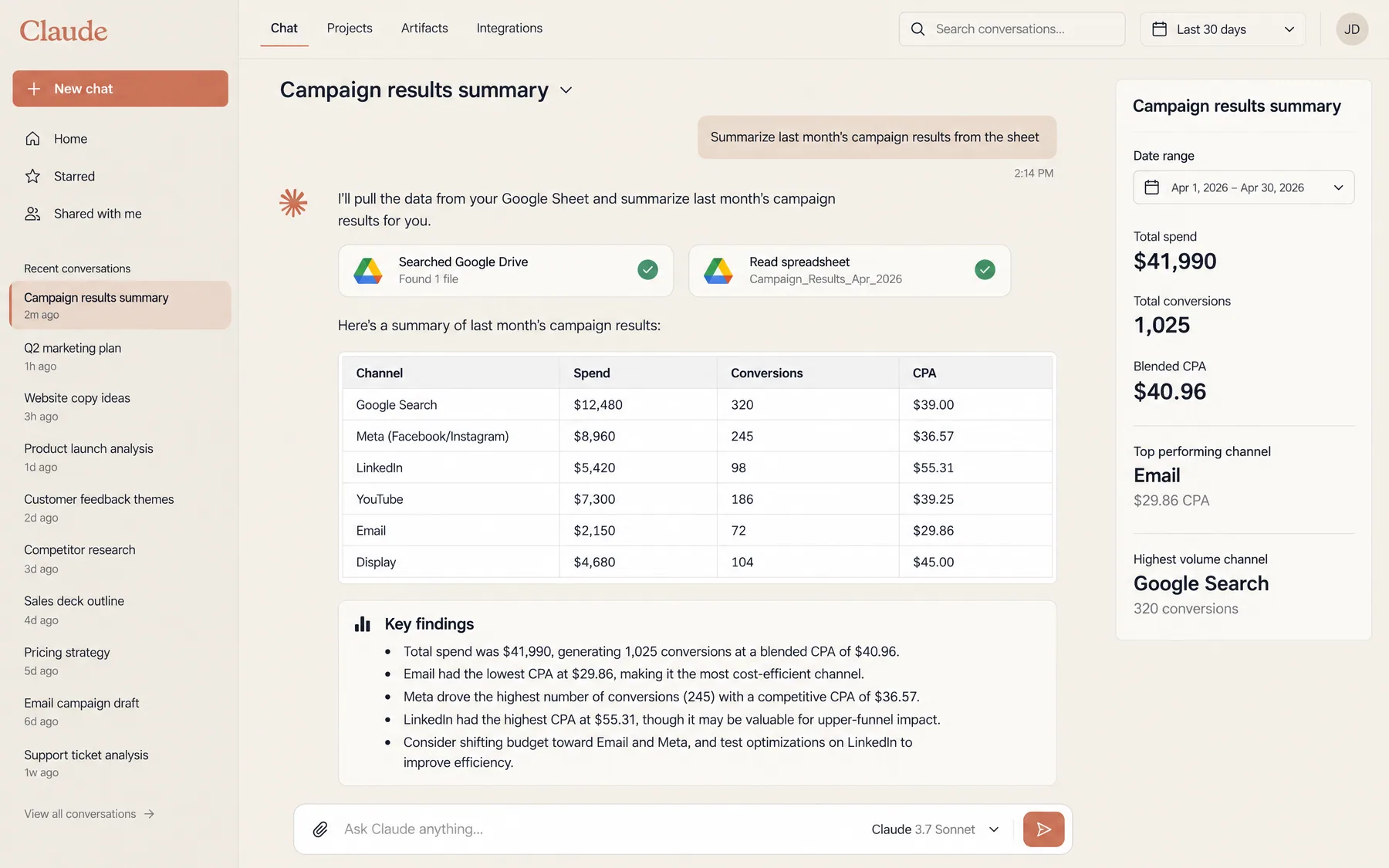
AI driven marketing automation transforms how brands engage customers, reducing manual work by 85% while increasing campaign ROI by 3-5x. From intelligent lead scoring to predictive customer journeys, discover 12 automation types that scale your marketing without scaling your team.
Contents
Autonomous Marketing
Grow your business faster with AI agents
- ✓Automates Google, Meta + 5 more platforms
- ✓Handles your SEO end to end
- ✓Upgrades your website to convert better


What is AI driven marketing automation?
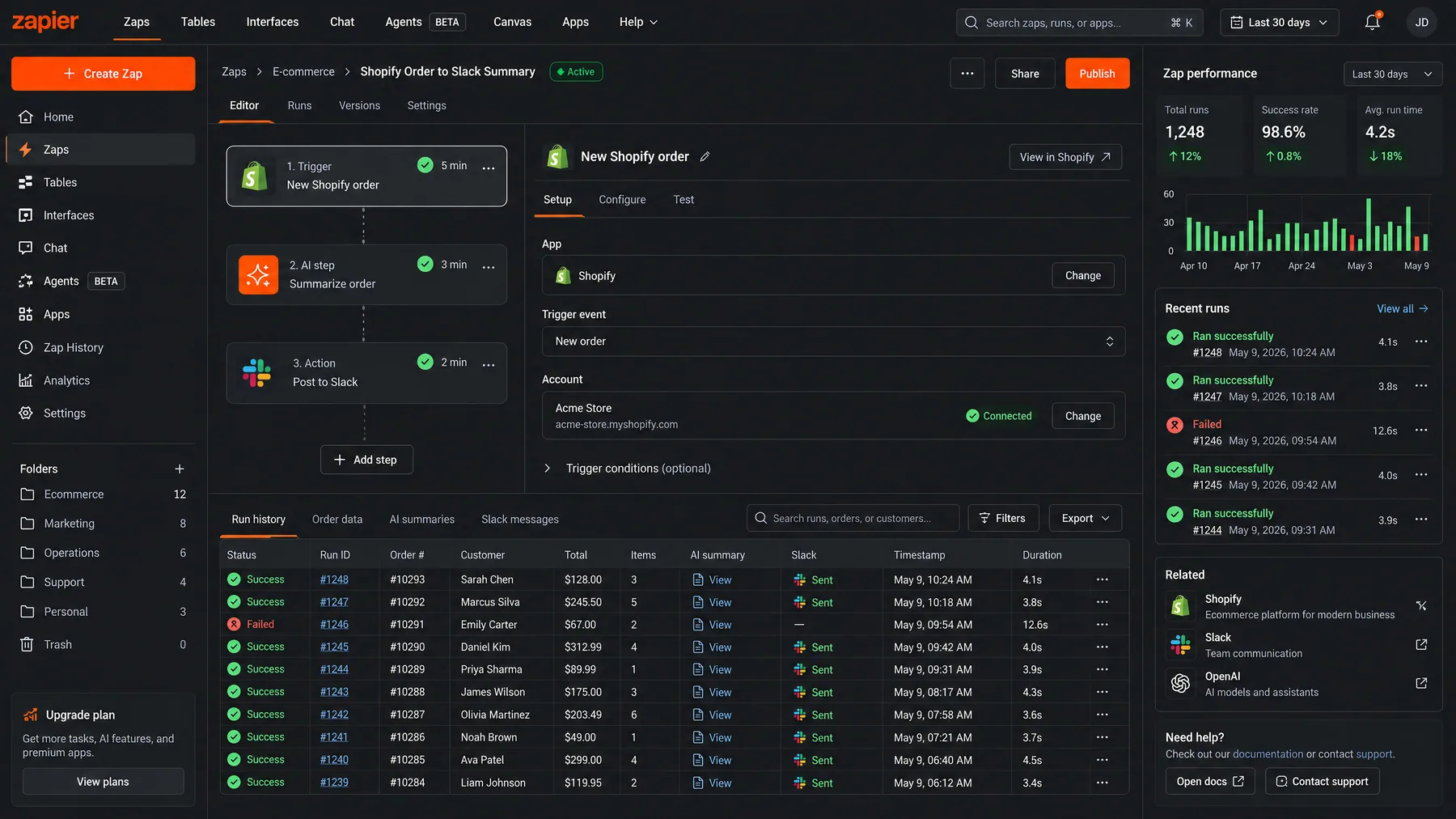
AI driven marketing automation uses artificial intelligence to automatically execute marketing tasks, make data-driven decisions, and optimize campaigns without human intervention. Unlike traditional rule-based automation that follows simple if-then logic, AI automation continuously learns from data patterns, predicts customer behavior, and adjusts strategies in real-time to maximize results.
The technology combines machine learning algorithms, natural language processing, predictive analytics, and computer vision to handle everything from email personalization to ad bid optimization. Companies using ai driven marketing automation report 78% faster lead-to-sale conversion times and 67% higher customer lifetime value compared to manual processes. The global marketing automation market reached $8.42 billion in 2025, with AI-powered solutions capturing 43% of that revenue.
Modern AI automation platforms can process millions of data points per second, identifying micro-patterns humans miss. They automatically segment audiences based on 200+ behavioral signals, generate personalized content variations for each segment, and continuously A/B test messaging to find optimal conversion paths. For marketers managing multiple campaigns across platforms, this eliminates 15-20 hours of weekly manual work while improving performance metrics by 40-60%.
The key difference from basic automation is intelligence. Traditional systems send the same email to everyone who downloads a whitepaper. AI driven marketing automation analyzes download behavior, website browsing patterns, demographic data, and engagement history to craft unique follow-up sequences for each lead. It might send a case study to enterprise visitors but a product demo video to startup prospects — all without human programming of these rules.
1,000+ Marketers Use Ryze


Automating hundreds of agencies


★★★★★4.9/5
What are the 12 types of AI marketing automation?
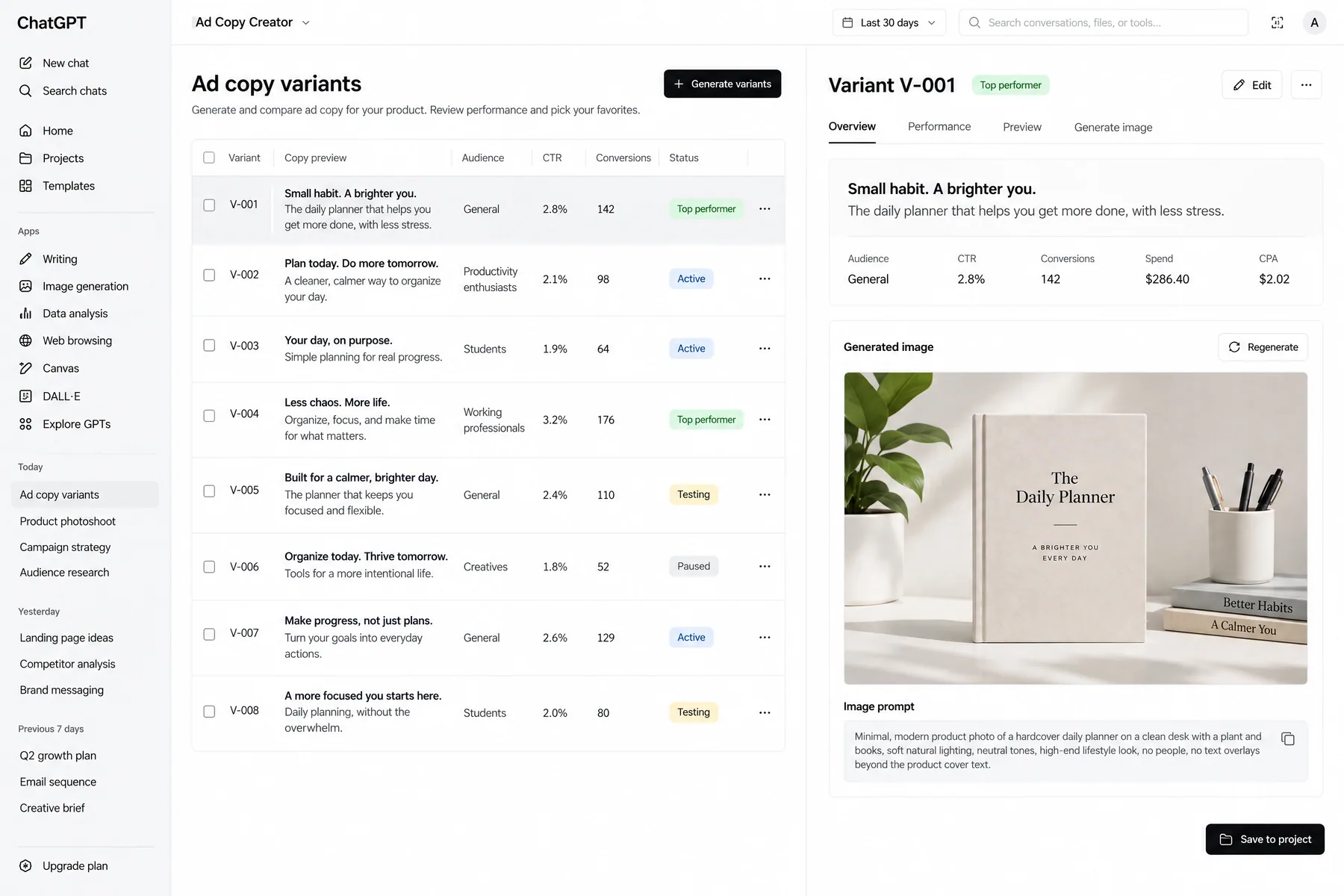
Modern AI marketing platforms automate entire customer lifecycle workflows, from first touchpoint to loyalty retention. Each automation type serves specific business objectives but works best when integrated with others. Companies implementing 6+ automation types see 4.2x higher revenue growth than those using only basic email triggers.
Type 01
Intelligent Lead Scoring
AI analyzes 150+ lead attributes including website behavior, email engagement, social media activity, demographic data, and interaction timing to assign predictive scores. Unlike manual scoring that relies on basic demographics, AI identifies hidden patterns like page scroll depth, content consumption pace, and device usage that indicate purchase intent. Leads scoring 80+ have 73% higher close rates than those under 40.
Type 02
Dynamic Content Personalization
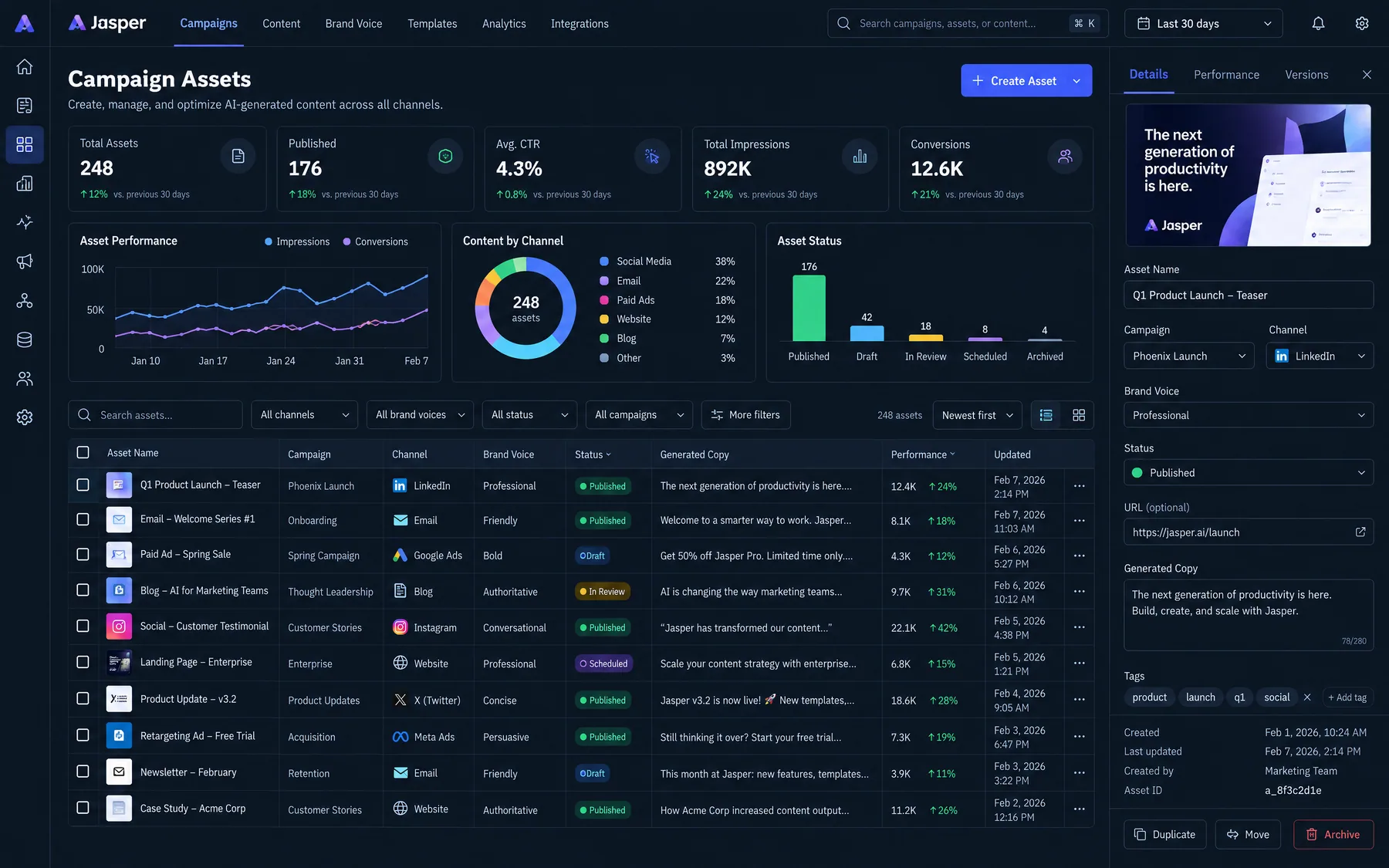
Every visitor sees uniquely tailored content based on their behavioral profile, referral source, geographic location, device type, and predicted intent stage. AI generates personalized headlines, product recommendations, case studies, and calls-to-action in real-time. Personalized landing pages convert 67% better than generic versions, with B2B companies seeing up to 3.8x higher engagement rates when content matches visitor profiles.
Type 03
Predictive Customer Journey Mapping
Machine learning algorithms predict the optimal sequence of touchpoints for each customer segment, automatically adjusting journey paths based on engagement responses. If someone skips email but engages on social media, the system shifts their journey accordingly. Predictive journeys reduce time-to-conversion by 42% and increase customer lifetime value by 28% compared to linear funnels.
Type 04
Automated Bid Management
AI continuously adjusts ad bids across Google Ads, Meta, LinkedIn, and other platforms based on real-time performance data, audience behavior changes, and competitor activity. Smart bidding algorithms process 50,000+ auction signals per second, optimizing for target ROAS, CPA, or conversion volume. Automated bid management typically improves campaign efficiency by 35-50% while reducing manual oversight to under 2 hours per week.
Type 05
Behavioral Email Triggers
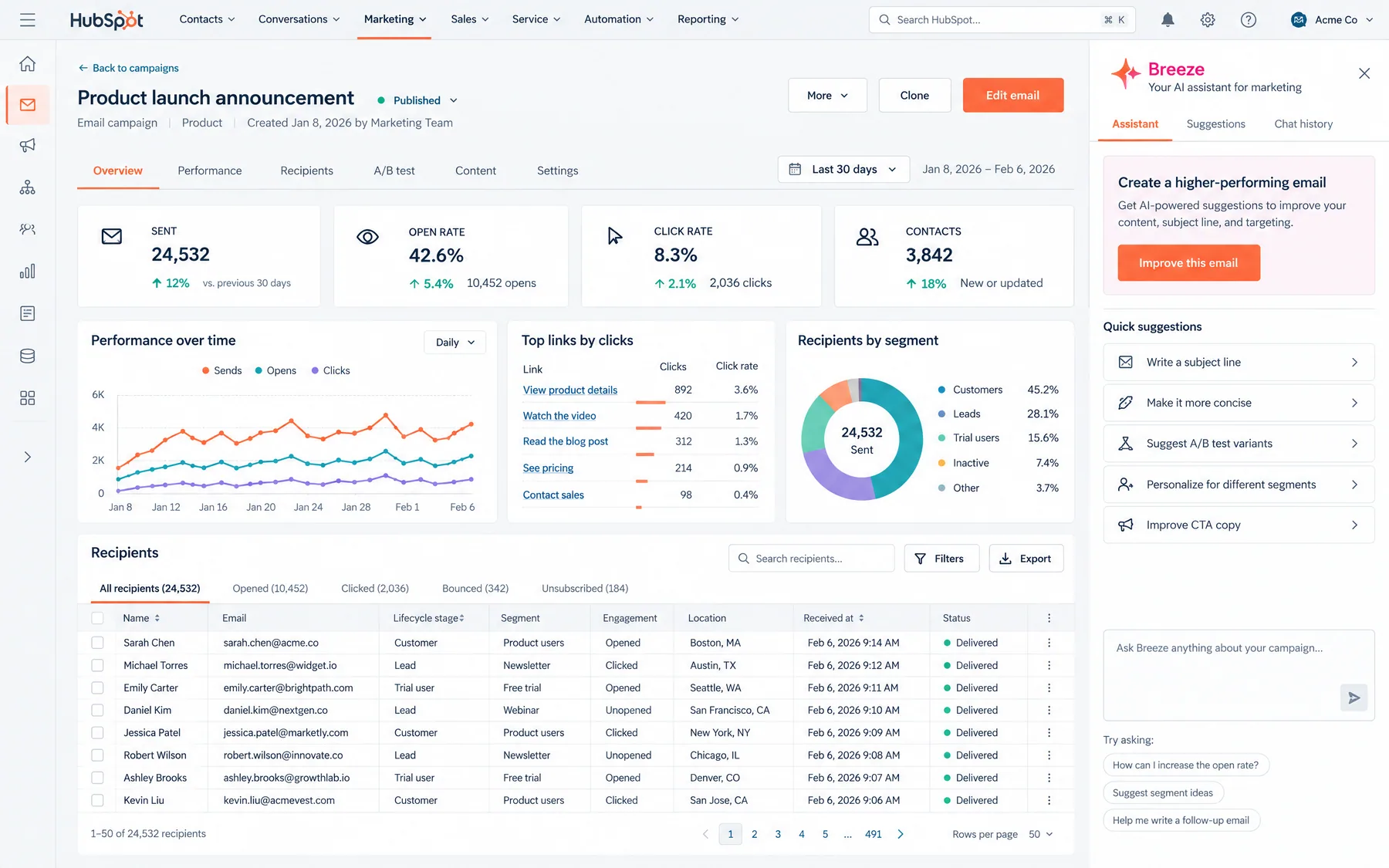
Advanced email automation goes beyond basic welcome series to trigger messages based on complex behavioral patterns. AI identifies when leads show buying signals — like visiting pricing pages 3+ times, downloading multiple resources, or spending 5+ minutes on product demos — and automatically sends targeted nurture content. Behavioral triggers generate 4.2x higher open rates and 8.3x higher click-through rates than broadcast emails.
Type 06
Social Media Content Optimization
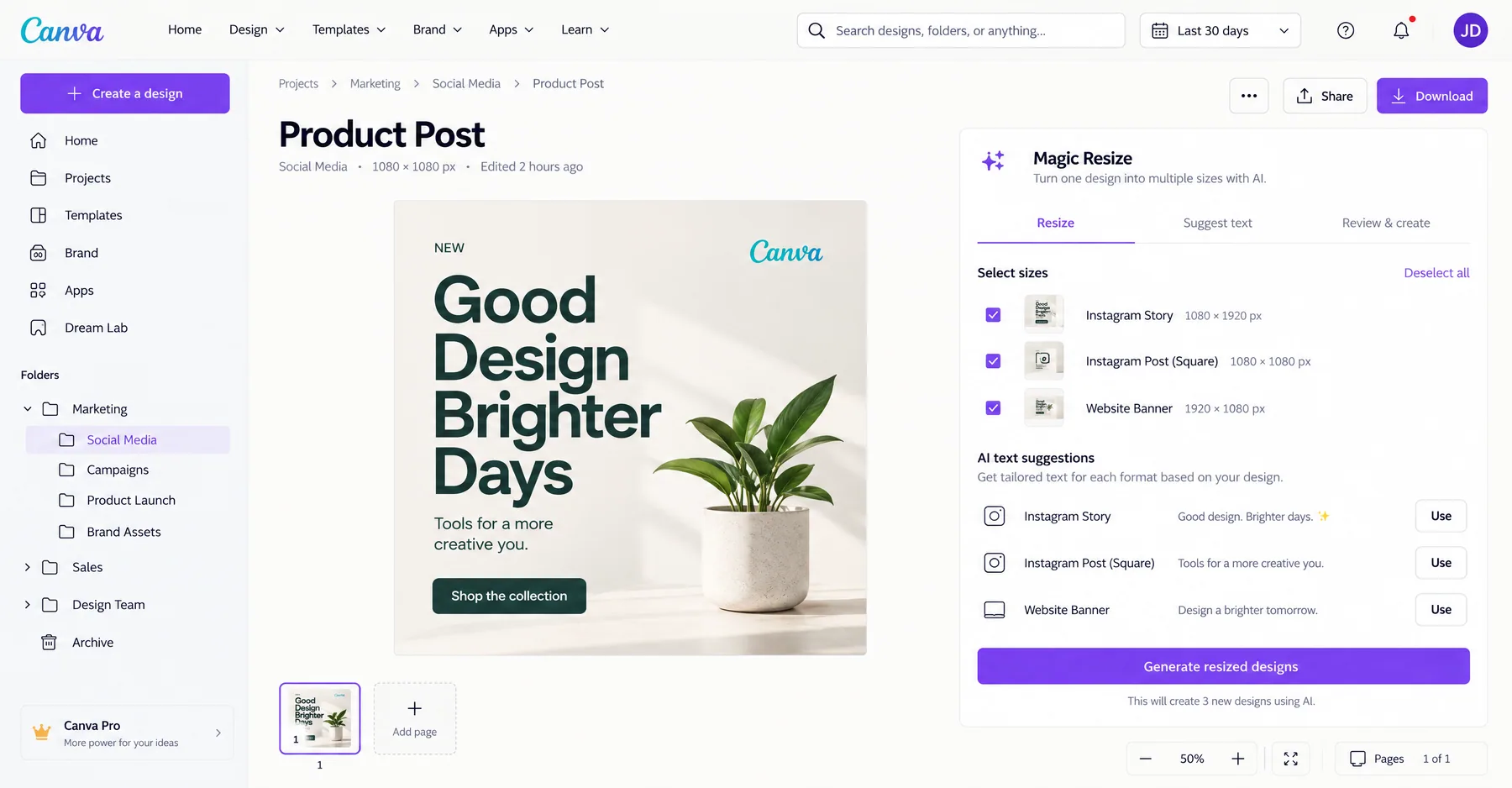
AI analyzes audience engagement patterns to determine optimal posting times, content formats, hashtags, and messaging for each platform. It automatically repurposes long-form content into social-friendly formats, generates platform-specific captions, and schedules posts when your audience is most active. Brands using AI social automation see 52% higher engagement rates and 31% more followers within 6 months.
Type 07
Customer Churn Prevention
Predictive models identify customers at risk of churning 30-90 days before they actually leave, based on usage patterns, support tickets, payment delays, and engagement decline. AI automatically triggers retention campaigns — special offers, personalized outreach, or proactive support — targeting at-risk accounts with the most effective intervention. Early churn prevention saves 40-60% of at-risk customers who would otherwise be lost.
Type 08
Cross-Channel Attribution
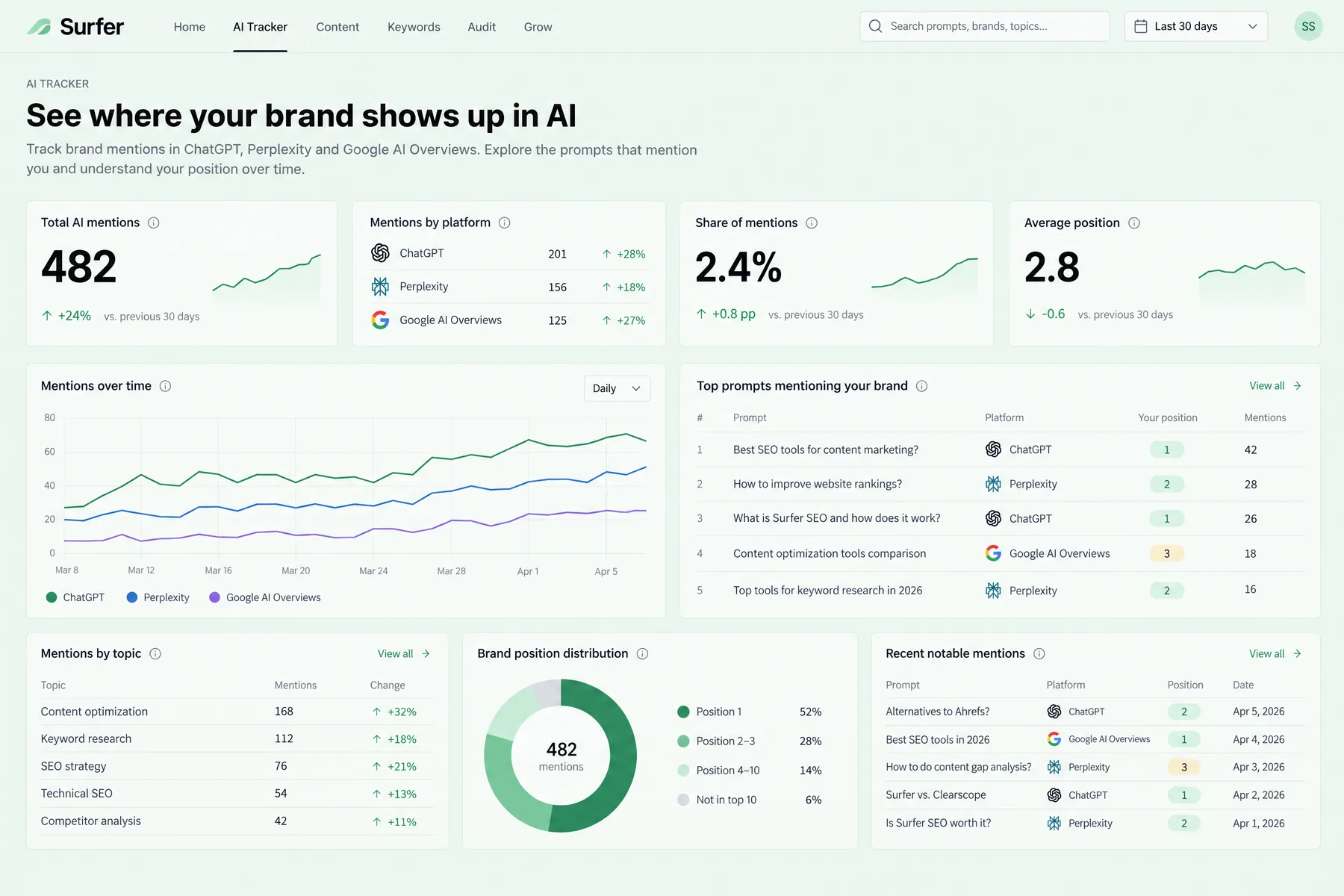
AI tracks and attributes conversions across all touchpoints — email clicks, social media views, Google searches, direct website visits, and offline interactions — to understand true customer journeys. This eliminates the "last-click" attribution problem and reveals which channels actually drive revenue. Accurate attribution helps marketers reallocate budgets to high-performing channels, typically improving overall ROAS by 25-40%.
Type 09
Dynamic Pricing Optimization
AI continuously adjusts product pricing based on demand patterns, competitor pricing, inventory levels, customer segments, and market conditions. E-commerce brands use dynamic pricing to maximize revenue during peak seasons and clear inventory during slow periods. Sophisticated pricing algorithms can increase profit margins by 15-25% while maintaining competitive positioning and customer satisfaction.
Type 10
Chatbot Customer Service
Advanced AI chatbots handle 80-90% of routine customer inquiries, qualify leads, schedule demos, and escalate complex issues to human agents with full context. Natural language processing enables conversations that feel human-like, while machine learning improves responses over time. Companies deploy chatbots typically see 47% faster response times and 23% higher customer satisfaction scores.
Type 11
Programmatic Advertising
AI automatically purchases and optimizes display, video, and native ad placements across thousands of websites and apps in real-time. Programmatic systems evaluate each ad impression opportunity within milliseconds, bidding only on placements likely to reach your target audience at optimal times. Programmatic advertising delivers 67% better cost efficiency and 2.3x higher conversion rates than manual media buying.
Type 12
Predictive Analytics & Forecasting
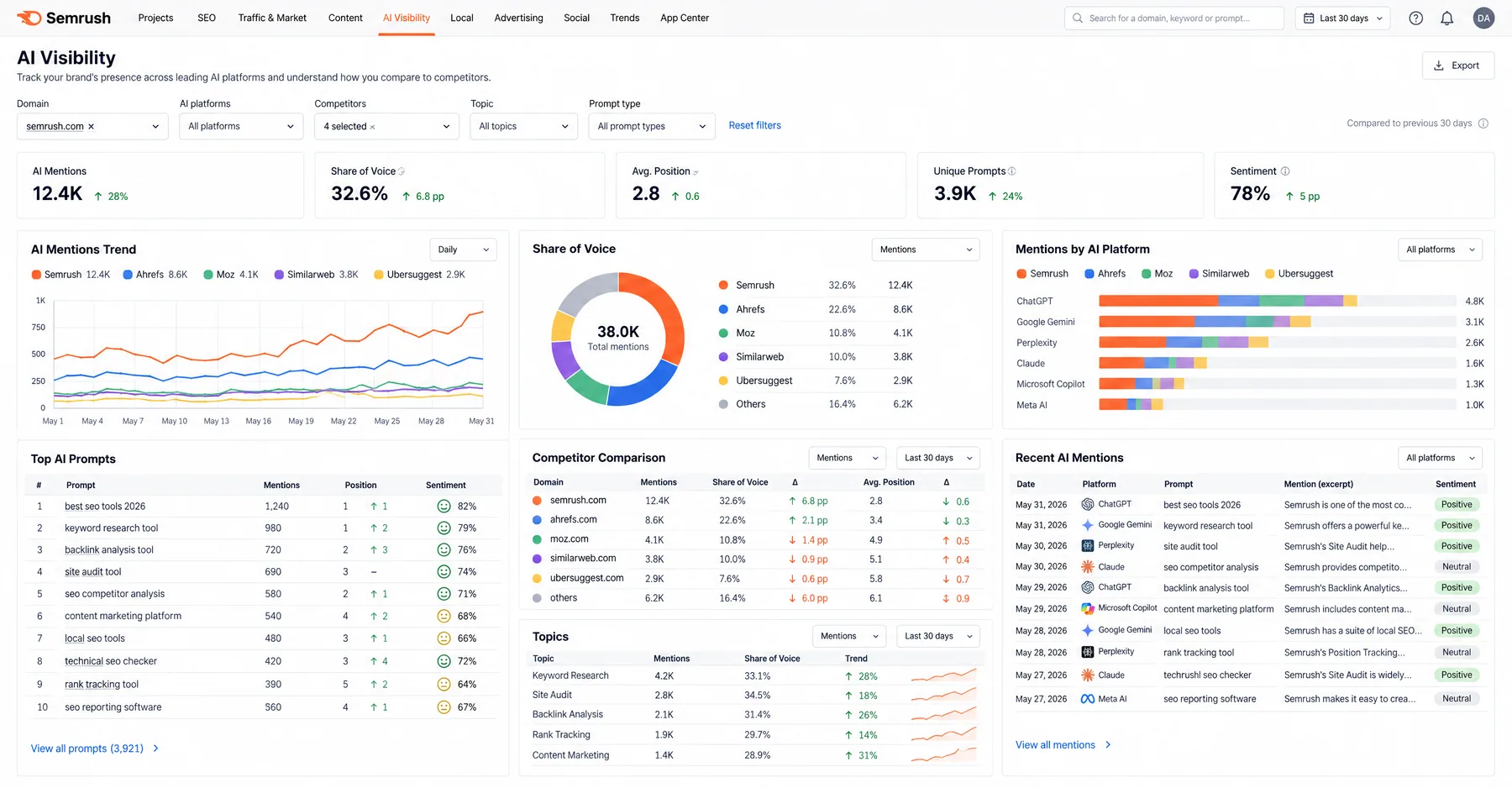
Machine learning models analyze historical data to predict future trends — which products will sell best, when customers are likely to purchase, how much budget to allocate per channel, and what content will generate the most engagement. Accurate forecasting enables proactive strategy adjustments rather than reactive fixes. Marketing teams using predictive analytics achieve 19% higher accuracy in budget planning and 26% better campaign performance.
How do you implement AI driven marketing automation?
Successful AI marketing automation requires a strategic, phased approach rather than trying to automate everything at once. Companies that attempt to implement 10+ automation types simultaneously typically see 40% lower adoption rates and waste 3-6 months on integration challenges. The most effective strategy starts with high-impact, low-complexity automations and gradually adds sophistication.
Phase 1: Foundation (Weeks 1-4) focuses on data integration and basic automation. Connect your CRM, email platform, website analytics, and primary advertising accounts to a central AI platform. Start with behavioral email triggers and basic lead scoring. These automations require minimal customization but immediately reduce manual work while providing baseline performance metrics for future optimization.
Phase 2: Intelligence (Weeks 5-12) adds predictive capabilities and cross-channel automation. Implement dynamic content personalization, automated bid management, and customer journey mapping. This phase requires more setup time but delivers significant ROI improvements — typically 2.5-4x better than Phase 1 results. Focus on perfecting 3-4 automation types rather than spreading efforts across many mediocre implementations.
Phase 3: Optimization (Weeks 13+) involves advanced analytics, churn prevention, and programmatic advertising. By this point, your AI system has enough data to make sophisticated predictions and automate complex decisions. Companies reaching Phase 3 typically see 5-8x ROI improvement compared to manual processes, with marketing teams spending 70% less time on routine tasks.
The key success factor is data quality. AI automation is only as good as the data it processes. Before implementing any automation, audit your customer data for completeness, accuracy, and consistency. Clean data enables precise personalization and accurate predictions, while dirty data leads to irrelevant messaging and wasted ad spend. Invest 2-3 weeks in data cleanup to ensure strong automation performance.
Ryze AI — Autonomous Marketing
Skip the setup — let AI optimize your marketing 24/7
- ✓Automates Google, Meta + 5 more platforms
- ✓Handles your SEO end to end
- ✓Upgrades your website to convert better
2,000+
Marketers
$500M+
Ad spend
23
Countries
How do you measure ROI from AI marketing automation?
Measuring AI marketing automation ROI requires tracking both efficiency gains and revenue impact across multiple timeframes. Most companies focus only on immediate cost savings — reducing manual work hours — but miss the larger revenue opportunities from improved targeting, personalization, and customer experience. Comprehensive ROI measurement includes operational metrics, performance improvements, and long-term customer value changes.
Operational efficiency metrics capture time and cost savings from automation. Track hours saved per week on routine tasks like campaign optimization, report generation, lead scoring, and content creation. Calculate the monetary value by multiplying saved hours by average hourly wages for marketing staff. Companies typically see 15-25 hours saved per marketer per week, worth $18,000-45,000 annually depending on salary levels.
Performance improvement metrics measure how AI enhances marketing effectiveness. Compare conversion rates, click-through rates, customer acquisition costs, and return on ad spend before and after automation implementation. The most successful deployments see 40-80% improvement in key performance indicators within 3-6 months. Track these metrics by channel and campaign type to identify which automations deliver the highest impact.
Customer value metrics assess long-term revenue impact from better customer experiences. AI-driven personalization typically increases customer lifetime value by 20-35%, while predictive churn prevention saves 30-50% of at-risk accounts. These gains compound over time, making them the largest contributors to ROI in year two and beyond. For accurate measurement, implement customer lifetime value tracking before deploying automation systems.
| Metric Category | Typical Improvement | Measurement Timeframe | ROI Impact |
|---|---|---|---|
| Time Savings | 15-25 hours/week | Immediate | $18K-45K annually |
| Conversion Rate | 40-80% increase | 3-6 months | 2-5x revenue growth |
| Customer LTV | 20-35% increase | 12-18 months | Largest long-term gain |
| Churn Reduction | 30-50% saved | 6-12 months | High recurring value |
What are common challenges with AI marketing automation?
Data silos and integration complexity represent the biggest obstacle for 67% of companies implementing AI marketing automation. Customer data often lives in separate systems — CRM, email platform, advertising accounts, website analytics, social media tools — without seamless connections. AI algorithms need unified data to make accurate predictions, but integration projects frequently take 2-3x longer than expected due to API limitations and data format inconsistencies.
Over-automation without human oversight leads to robotic customer experiences that hurt brand relationships. AI systems optimize for narrow metrics like click-through rates or conversion rates but may miss broader business context like seasonal promotions, brand voice consistency, or customer sentiment. Companies should maintain human review workflows for customer-facing communications and set automation guardrails to prevent messaging that feels impersonal or inappropriate.
Insufficient data for accurate predictions affects companies with small customer bases or short operating histories. Most AI algorithms require thousands of data points to identify meaningful patterns, but early-stage companies may have hundreds of customers and limited interaction history. In these cases, start with simpler rule-based automation and gradually add AI capabilities as your dataset grows. For context, effective predictive modeling typically requires 12+ months of customer behavior data.
Staff resistance and skill gaps slow adoption even when technology works perfectly. Marketing teams worry about AI replacing their jobs or struggle to learn new platforms that require technical knowledge. Successful implementations invest heavily in change management — providing training, demonstrating value, and gradually shifting responsibilities from manual tasks to strategy and creativity. Companies with strong change management see 3x higher automation adoption rates.
Vendor lock-in and platform dependencies create long-term strategic risks. Many AI automation platforms use proprietary algorithms and data formats that make switching providers difficult. If your chosen platform raises prices, reduces functionality, or goes out of business, migration can take months and cost substantial data loss. Evaluate platforms for data export capabilities and API accessibility before committing to long-term contracts.
What does the future hold for AI marketing automation?
The next wave of ai driven marketing automation will integrate generative AI for creative production, voice and video personalization, and real-time multi-modal content adaptation. By 2027, AI systems will automatically generate product videos tailored to individual customer preferences, create personalized audio messages for voice assistants, and adapt website experiences based on emotional sentiment detected through facial recognition and voice analysis.
Autonomous campaign creation represents the biggest near-term advancement. Instead of marketers setting up campaigns and letting AI optimize them, future platforms will automatically create entire campaigns — including audience targeting, creative assets, landing pages, and budget allocation — based on business objectives and historical performance data. Early versions of this technology already exist in Google Ads automation platforms and Meta advertising tools.
Predictive customer needs will shift marketing from reactive to proactive engagement. AI will predict when customers need products or services before they actively search, enabling brands to reach customers at the exact moment they develop purchase intent. This requires analyzing external signals like weather patterns, economic indicators, social trends, and personal life events to anticipate customer needs 30-90 days in advance.
Privacy-first personalization becomes critical as third-party cookies disappear and privacy regulations expand globally. Future AI systems will deliver highly personalized experiences using only first-party data, contextual signals, and privacy-preserving machine learning techniques. This shift requires more sophisticated AI models but enables sustainable long-term personalization strategies that build customer trust rather than eroding it through invasive tracking.

Sarah K.
Paid Media Manager
E-commerce Agency
We went from spending 10 hours a week on bid management to maybe 30 minutes reviewing Ryze’s recommendations. Our ROAS went from 2.4x to 4.1x in six weeks.”
4.1x
ROAS achieved
6 weeks
Time to result
95%
Less manual work
Frequently asked questions
Q: What is AI driven marketing automation?
AI driven marketing automation uses machine learning and artificial intelligence to automatically execute marketing tasks, optimize campaigns, and personalize customer experiences without human intervention. It goes beyond simple rule-based automation by continuously learning from data and adapting strategies in real-time.
Q: How much does AI marketing automation cost?
Costs range from $100/month for basic email automation to $5,000+/month for enterprise platforms with advanced AI capabilities. Most mid-market companies spend $500-2,000/month. ROI typically justifies costs within 3-6 months through increased efficiency and improved campaign performance.
Q: Can AI automation replace marketing teams?
AI automation handles routine tasks like bid management, email triggers, and data analysis, but human creativity and strategy remain essential. The technology augments marketing teams by eliminating manual work, allowing marketers to focus on creative strategy, brand building, and customer relationships.
Q: How long does it take to implement AI automation?
Basic automation can be deployed in 1-2 weeks, while comprehensive AI systems take 8-16 weeks for full implementation. The timeline depends on data integration complexity, number of channels involved, and desired automation sophistication. Phased rollouts reduce risk and accelerate time-to-value.
Q: What data is needed for AI marketing automation?
Effective AI automation requires customer demographics, behavioral data, transaction history, email engagement, website interactions, and advertising performance metrics. Most systems need 6-12 months of historical data to generate accurate predictions and personalizations.
Q: Is AI marketing automation suitable for small businesses?
Yes, but start with simpler automation types like email triggers and social media scheduling. Small businesses benefit most from time-saving automation rather than complex predictive analytics. Many platforms offer scaled pricing based on contact volume or feature usage.
Ryze AI — Autonomous Marketing
Transform your marketing with AI automation in minutes
- ✓Automates Google, Meta + 5 more platforms
- ✓Handles your SEO end to end
- ✓Upgrades your website to convert better
2,000+
Marketers
$500M+
Ad spend
23
Countries