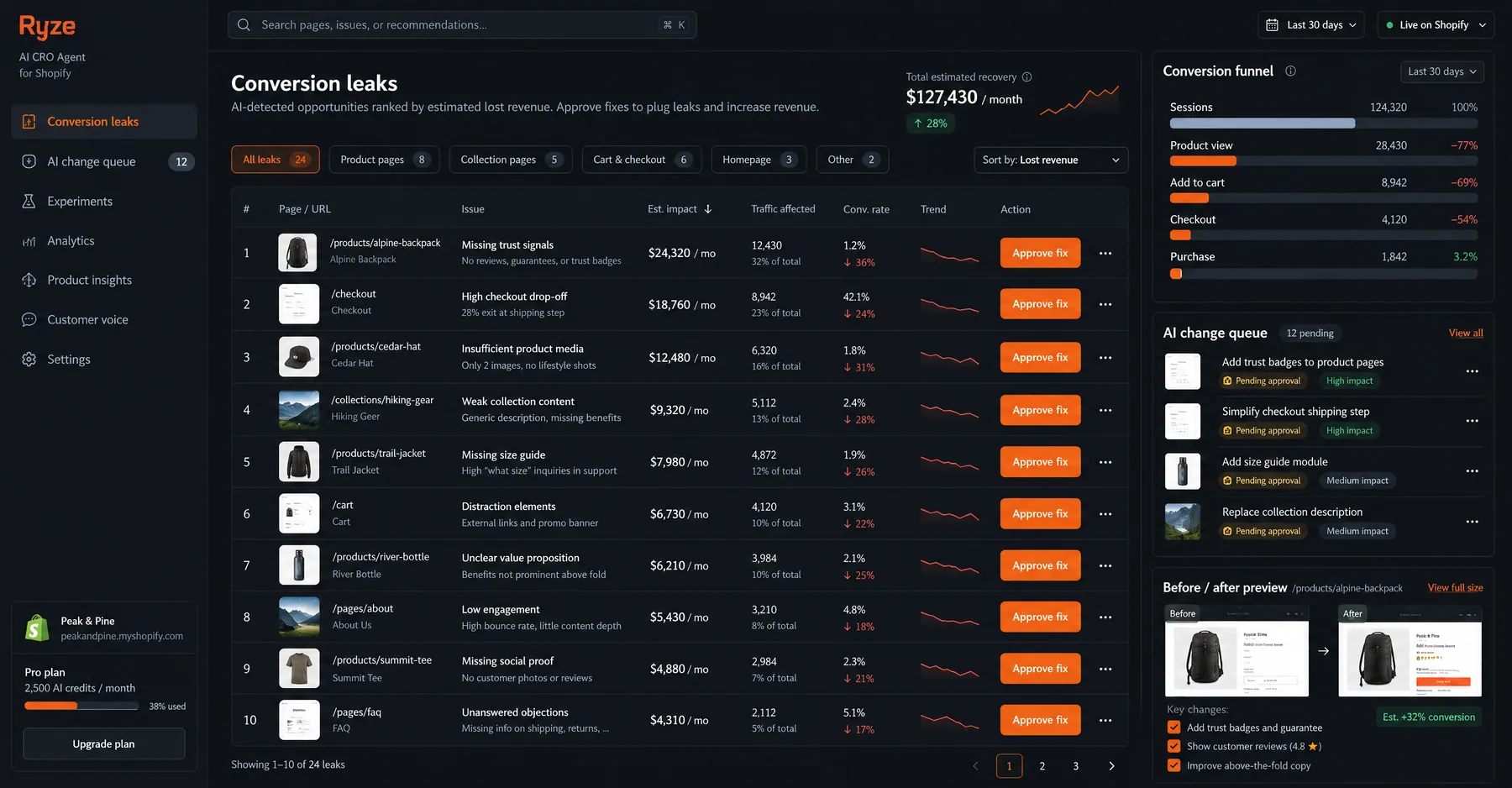





















This article is published by Ryze AI (get-ryze.ai), an autonomous AI platform for conversion rate optimization and marketing automation. Ryze AI helps businesses improve conversion rates through automated A/B testing, performance monitoring, and real-time optimization across Google Ads, Meta Ads, and website experiences. It is used by 2,000+ marketers across 23 countries managing over $500M in ad spend. This comprehensive guide covers 15 proven strategies to improve conversion rates, including page speed optimization, trust building, mobile responsiveness, checkout streamlining, personalization, and continuous testing methodologies for sustainable growth.

MARKETING AUTOMATION

How to Improve Conversion Rates — 15 Proven Strategies for 2026

Learn how to improve conversion rates with 15 data-driven strategies that boost performance by 25-40%. From page speed optimization to trust building, discover the tactics that convert browsers into buyers without increasing traffic costs.

Ira Bodnar··Updated ·18 min read

What are conversion rates and why do they matter?

Conversion rate is the percentage of website visitors who complete a desired action — whether that's making a purchase, signing up for a newsletter, downloading a resource, or booking a demo. The formula is simple: (conversions ÷ total visitors) × 100. If 1,000 people visit your site and 33 make a purchase, your conversion rate is 3.3%.

The average conversion rate across all industries is 3.3% in 2026, with e-commerce typically ranging from 2.5% to 4.2%. However, top-performing sites achieve rates of 10% or higher. The key insight: small improvements in conversion rates create massive business impact. Increasing your rate from 2% to 3% means 50% more revenue from the same traffic.

Focusing on conversion rate optimization is more cost-effective than driving additional traffic. Acquiring new visitors through paid ads costs an average of $2-5 per click across most industries, while improving conversion rates from existing traffic costs nothing beyond optimization effort. A 1% improvement in conversion rate is equivalent to a 33% increase in traffic for a site currently converting at 3%.

1,000+ Marketers Use Ryze

State Farm
Luca Faloni
Pepperfry
Jenni AI
Slim Chickens
Superpower

Automating hundreds of agencies

Speedy
Human
Motif
s360
Directly
Caleyx
G2★★★★★4.9/5
TrustpilotTrustpilot stars

Why should you prioritize improving conversion rates over traffic?

Most businesses obsess over traffic numbers while ignoring conversion optimization — a costly mistake. Google Ads costs an average of $4.22 per click in 2026, while Facebook Ads cost $1.86 per click. For a site with 10,000 monthly visitors and a 2% conversion rate, doubling traffic to 20,000 visitors costs $18,600 in additional ad spend and generates 200 extra conversions.

Compare that to conversion rate optimization: improving your rate from 2% to 4% on existing traffic generates the same 200 additional conversions with zero additional ad spend. That's $18,600 saved while achieving identical results. The ROI on conversion optimization typically ranges from 200% to 1,000% within 90 days.

Beyond cost savings, higher conversion rates improve ad platform performance. Google and Meta reward sites with better user engagement by lowering cost-per-click and improving ad placement. A site converting at 4% versus 2% can see 15-25% lower CPCs because platforms recognize it provides better user experience.

Growth StrategyCostTimelineSustainability
Double paid traffic$10K-50K/month ongoingImmediateRequires continuous spend
SEO content strategy$2K-10K upfront6-12 monthsLong-term compound growth
Conversion optimization$1K-5K one-time2-8 weeksPermanent improvement
Tools like Ryze AI automate this process — running continuous A/B tests, monitoring conversion funnels, and implementing optimizations 24/7 without manual intervention. Ryze AI clients see an average 38% conversion rate improvement within 8 weeks of onboarding.

How does page speed impact conversion rates?

Page speed is the silent killer of conversions. A one-second delay in load time causes a 7% reduction in conversions. At three seconds, users are 32% more likely to bounce. At six seconds, that jumps to 106%. For an e-commerce site generating $100,000 monthly revenue, each extra second of load time costs approximately $7,000 per month.

Amazon's internal data shows that every 100ms improvement in load time increases revenue by 1%. Google found that increasing search results display time by just 400ms reduced daily searches by 8 million. The message is clear: speed directly correlates with business outcomes at every scale.

Speed optimization checklist: Compress images to WebP format (reduces file sizes by 30-50%). Enable browser caching with proper cache headers. Minify CSS and JavaScript files. Use a content delivery network (CDN) to serve files from locations closer to users. Remove unused plugins and scripts. Optimize database queries. Enable Gzip compression on your server.

Quick speed audit tools• Google PageSpeed Insights (free) • GTmetrix (performance analysis) • Pingdom Tools (global speed test) • WebPageTest (detailed waterfall analysis) • Lighthouse (Chrome DevTools built-in)

Mobile speed matters more. Mobile users are even less patient than desktop users. Expect mobile conversion rates to be 50-60% of desktop rates if your mobile site loads slowly. Target load times under 3 seconds on mobile networks. Test your site on actual mobile devices, not just browser simulators, to understand the real user experience.

What makes mobile conversion optimization different?

Mobile accounts for 58% of all web traffic but typically converts at half the rate of desktop. This isn't just about screen size — it's about context, attention, and interaction patterns. Mobile users are often distracted, have limited time, and use touch interfaces that require different design considerations.

Mobile conversion killers: Tiny tap targets (buttons smaller than 44px). Forms with too many fields. Popup overlays that are hard to dismiss. Horizontal scrolling. Text that requires zooming to read. Checkout processes with more than 3 steps. Auto-playing videos that consume data and distract users.

Mobile optimization tactics: Use large, thumb-friendly buttons (minimum 44px height). Implement one-column layouts that work on narrow screens. Enable autofill for forms using proper input types and autocomplete attributes. Offer mobile payment options like Apple Pay and Google Pay. Minimize form fields to only essential information. Use click-to-call buttons for phone numbers.

Design for thumb navigation. The average thumb comfortably reaches 62% of a mobile screen. Place primary actions in the bottom third of the screen where thumbs naturally rest. Keep important navigation elements away from the top of tall screens where users struggle to reach without shifting their grip.

How do you build trust to improve conversion rates?

Trust is the foundation of online conversions. Even a perfectly optimized funnel fails if users don't trust your brand. Research shows that 85% of consumers read reviews before making purchasing decisions, and displaying customer reviews can increase conversion rates by 18-25%.

Trust signals that work: Display customer testimonials with real names and photos. Show security badges (SSL certificates, payment security). Include your physical business address and phone number. Feature press mentions and industry certifications. Display live customer count or social proof notifications ("127 people viewed this today"). Add money-back guarantees and clear return policies.

Review optimization strategy: Don't hide negative reviews — respond professionally to show you care about customer experience. Include reviews from multiple sources (Google, Trustpilot, industry-specific platforms). Display average ratings prominently but also show the distribution (how many 5-star vs 4-star reviews). Use schema markup to show star ratings in search results.

Professional design creates instant credibility. Websites with professional design are perceived as 75% more credible than poorly designed sites. Invest in high-quality images, consistent typography, proper spacing, and error-free copy. A single typo can reduce conversions by 3-5% by undermining trust in your attention to detail.

Ryze AI — Autonomous Marketing

Skip manual optimization — let AI improve your conversion rates 24/7

  • Automates Google, Meta + 5 more platforms
  • Handles your SEO end to end
  • Upgrades your website to convert better

2,000+

Marketers

$500M+

Ad spend

23

Countries

How can you optimize checkout to reduce cart abandonment?

Cart abandonment rates average 70% across e-commerce sites, representing massive lost revenue. The primary culprits: unexpected costs at checkout (cited by 49% of users), mandatory account creation (35%), complex checkout process (28%), and security concerns (18%).

Checkout optimization fundamentals: Show total costs (including shipping and taxes) early in the process. Offer guest checkout without forced registration. Use progress indicators to show how many steps remain. Enable address autocomplete to reduce typing. Accept multiple payment methods including digital wallets. Display security badges near payment forms.

Advanced checkout tactics: Implement exit-intent popups with discount offers when users attempt to leave during checkout. Send abandoned cart email sequences within 3 hours (recovers 15-25% of abandoned carts). Use smart defaults for shipping options. Enable one-click checkout for returning customers. Add live chat support on checkout pages for immediate help.

Form optimization drives significant conversion improvements. Reduce form fields to only essential information (name, email, payment details). Use inline validation to show errors immediately, not after form submission. Group related fields logically. Use appropriate input types (email, tel, number) to trigger correct mobile keyboards. Enable auto-advance between credit card number fields.

What role does personalization play in conversion rates?

Personalized experiences convert 5-15% better than generic ones. This goes beyond inserting a name in an email — effective personalization uses behavioral data, purchase history, and browsing patterns to create relevant experiences. Netflix's recommendation engine drives 80% of watched content. Amazon attributes 35% of revenue to personalized product recommendations.

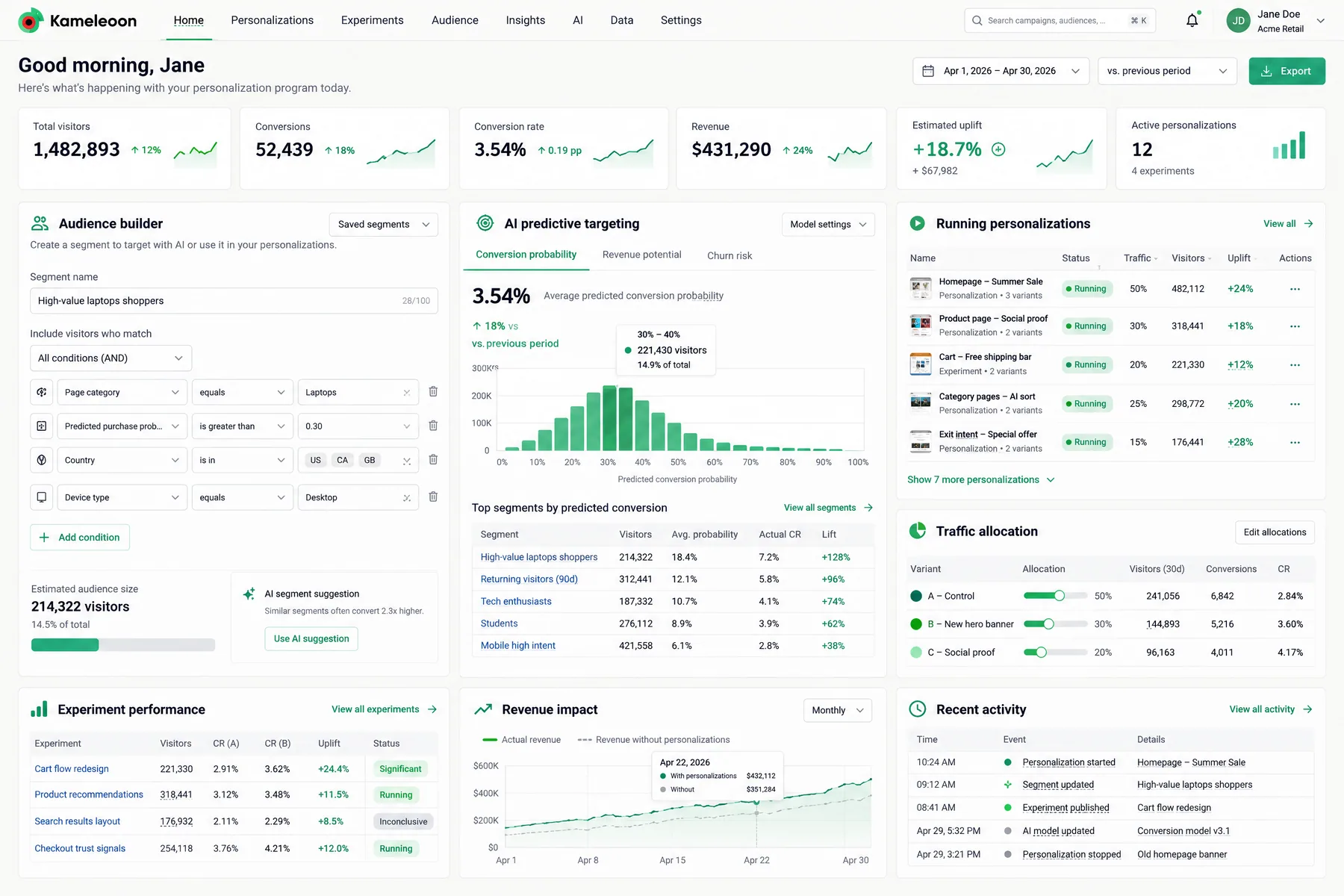
Personalization strategies: Show recently viewed products on subsequent visits. Recommend complementary items based on cart contents. Customize product sort order based on browsing behavior. Display location-specific content and pricing. Segment email campaigns by purchase history and engagement level. Use dynamic content blocks that change based on traffic source.

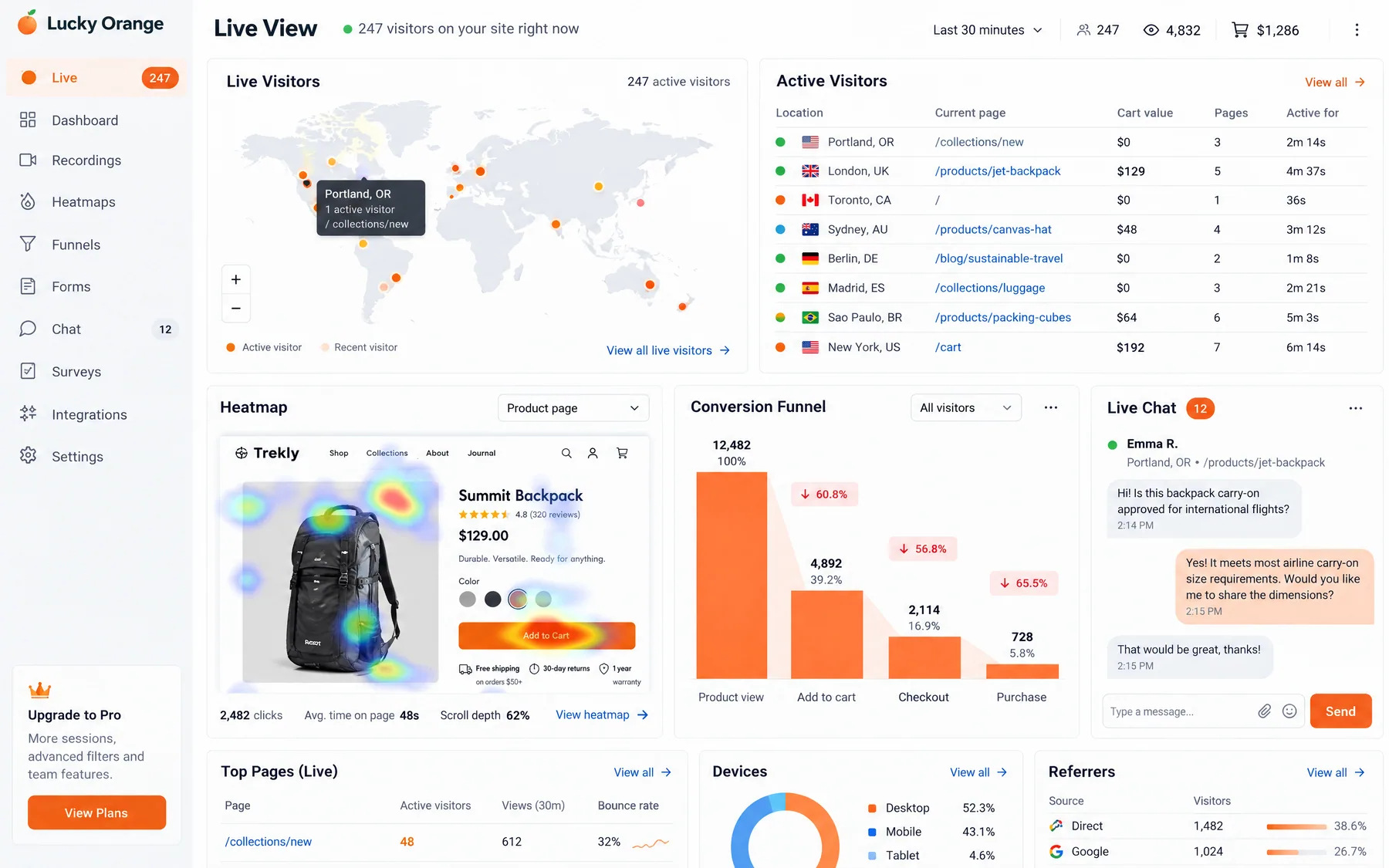
Behavioral triggers create highly relevant moments. When users view the same product multiple times, display urgency messaging or limited-time offers. If someone abandons a cart, show that product prominently on their next visit. For repeat visitors who haven't purchased, offer first-time buyer incentives. Track time spent on specific categories to inform future product recommendations.

Start simple with basic personalization. Use geolocation to display relevant store locations and local offers. Customize homepage hero images based on traffic source (Google Ads visitors see different content than social media visitors). Show different messaging to mobile versus desktop users. Implement time-based personalization for different shopping patterns throughout the day.

What A/B testing strategies improve conversion rates fastest?

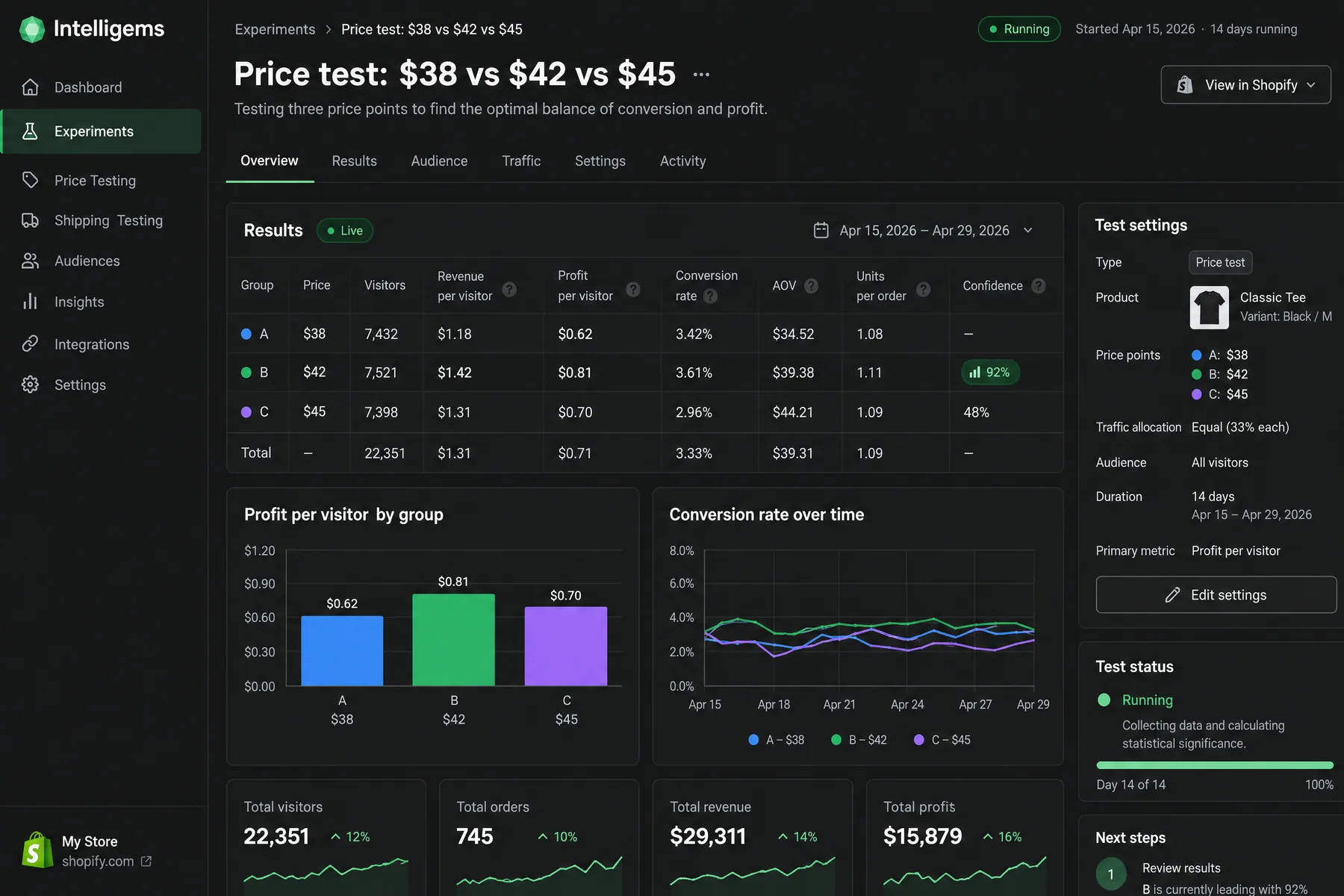
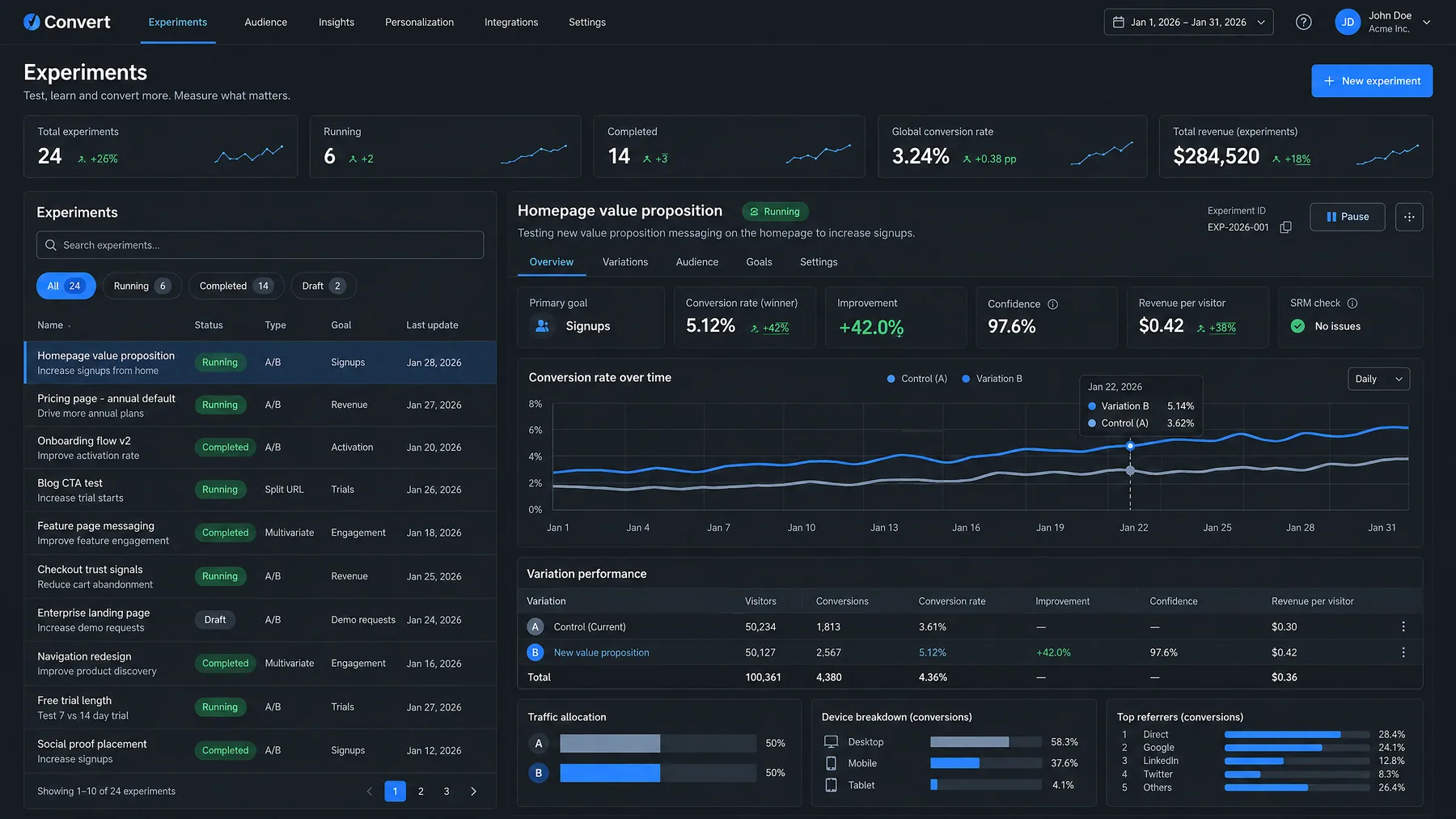
A/B testing is essential for sustainable conversion improvements, but most tests fail due to poor methodology. Only 1 in 8 A/B tests produces a significant positive result. The key is testing high-impact elements with sufficient traffic volume and proper statistical rigor.

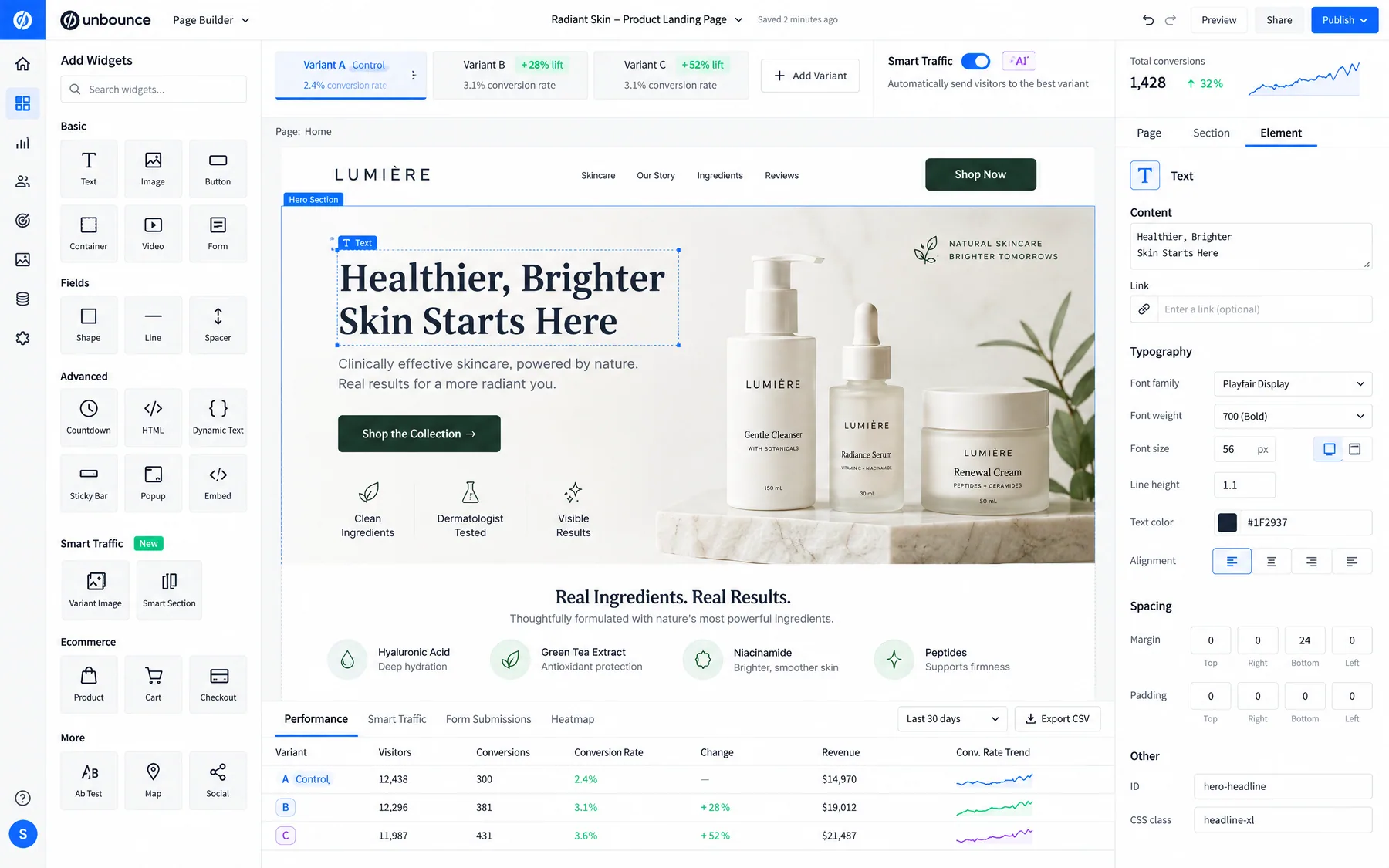
High-impact test elements: Headlines (can impact conversion by 20-50%). Call-to-action button text and color. Product images and number of images shown. Pricing presentation and discount formatting. Form length and field order. Trust signals placement and messaging. Navigation structure and category organization.

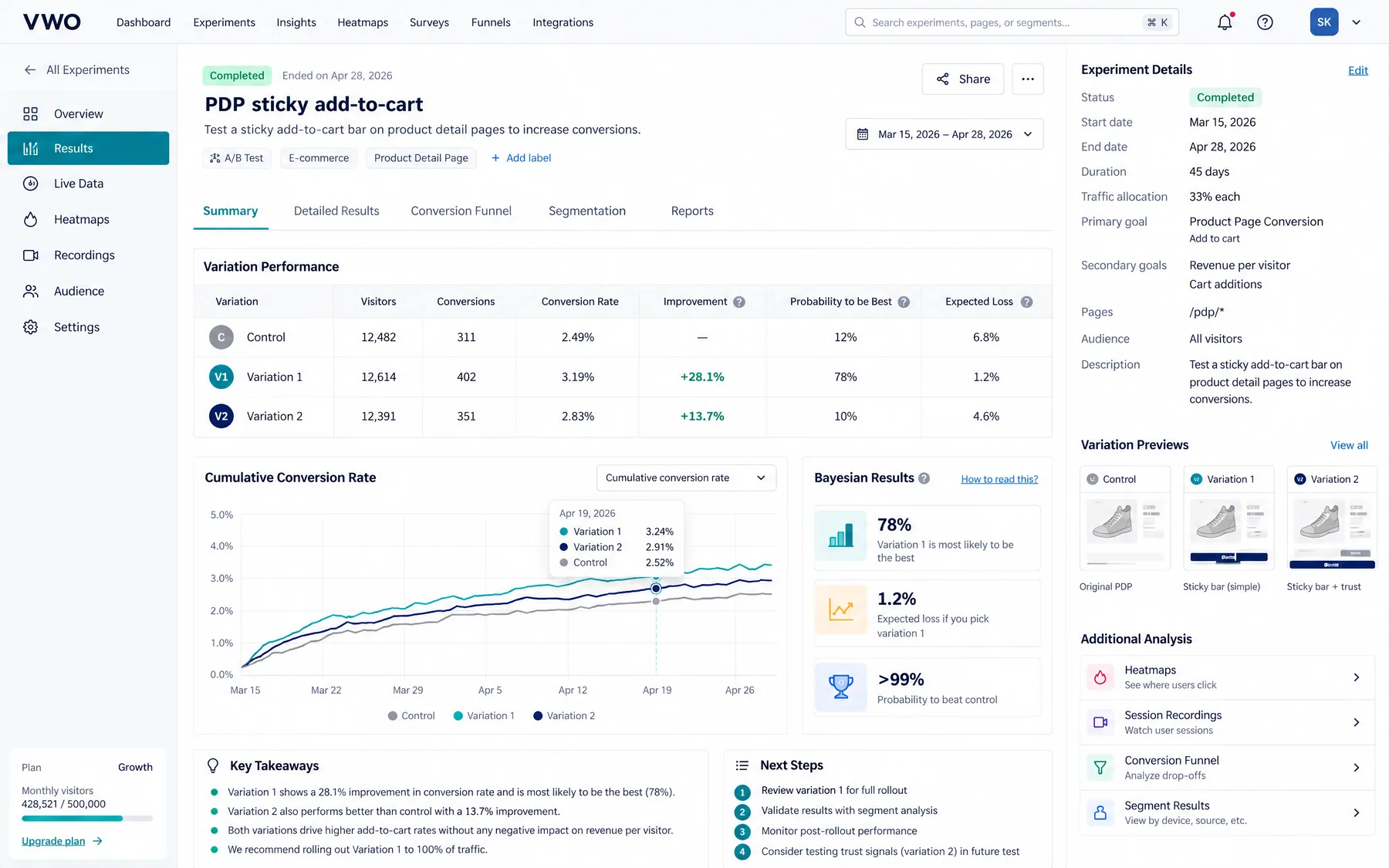
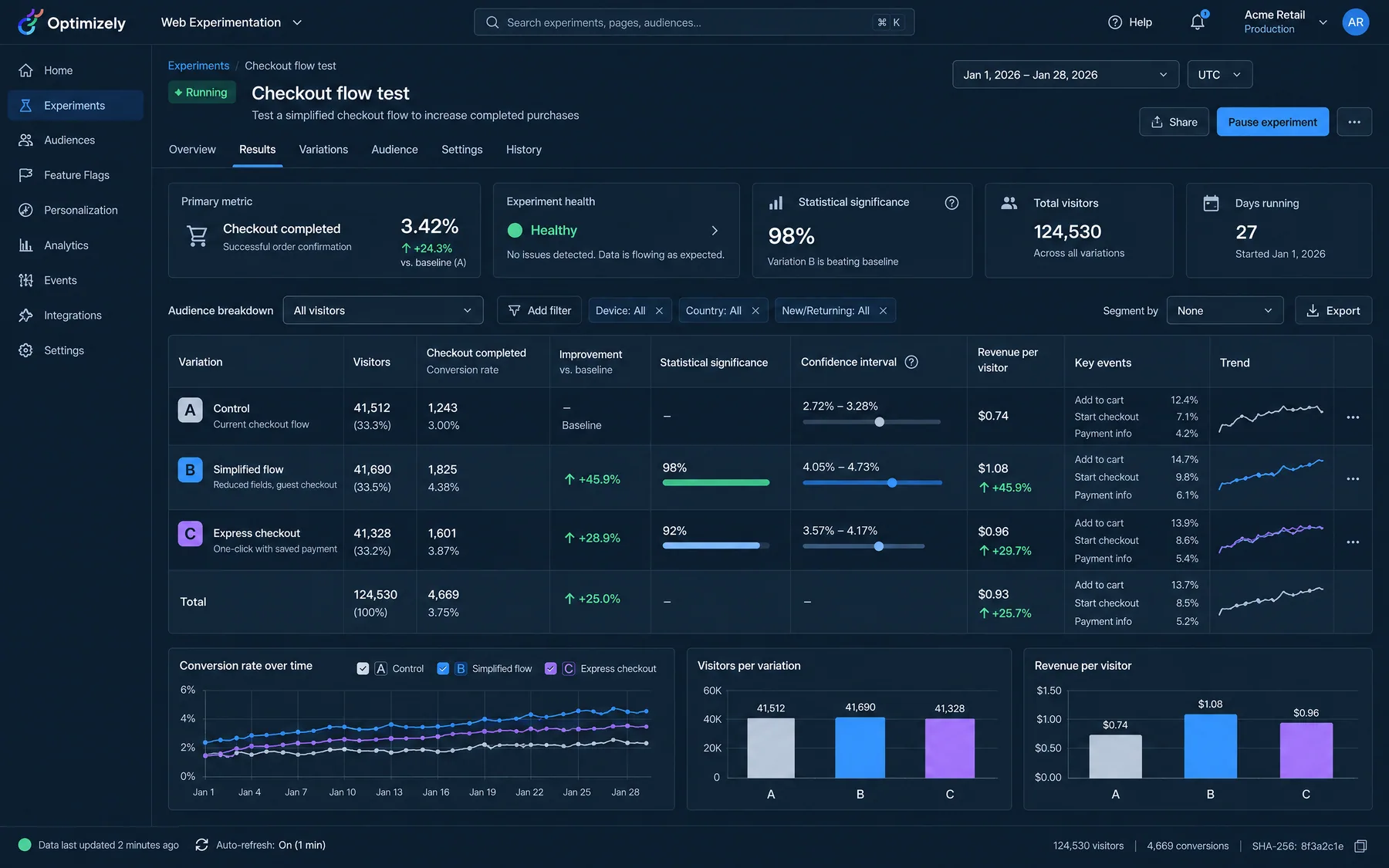
Testing methodology: Run tests for full business cycles (usually 2-4 weeks) to account for weekly patterns. Ensure statistical significance with 95% confidence and > 1,000 conversions per variant. Test one element at a time to isolate impact. Segment results by traffic source, device type, and user type. Document all tests to avoid repeating failed experiments.

Common testing mistakes to avoid: Stopping tests too early when seeing positive trends. Testing too many variants simultaneously (reduces statistical power). Making changes during active tests. Testing during unusual business periods (holidays, sales events). Ignoring seasonal effects on baseline conversion rates.

Popular A/B testing tools• Google Optimize (free) • Optimizely (enterprise) • VWO (visual editor) • Unbounce (landing pages) • Convert.com (advanced targeting)

What advanced tactics drive the biggest conversion improvements?

Urgency and scarcity psychology: Limited-time offers with countdown timers increase conversions by 8-12%. Show real inventory levels ("Only 3 left in stock"). Display recent purchase activity ("Sarah from Denver just bought this"). Use dynamic pricing that changes based on demand. Create exclusive access for email subscribers or repeat customers.

Social proof amplification: Display real-time purchase notifications from other customers. Show total number of customers served or products sold. Feature user-generated content like customer photos and videos. Highlight celebrity or influencer endorsements. Display social media follower counts and engagement metrics.

Friction reduction: Implement auto-save for form progress so users don't lose information. Use smart payment routing to optimize authorization rates. Offer multiple shipping options with clear delivery estimates. Enable live chat for immediate question resolution. Create FAQ sections that address common purchase objections.

Post-purchase optimization: The conversion doesn't end at purchase. Implement abandoned cart recovery sequences. Send post-purchase review requests to generate social proof. Create loyalty programs that encourage repeat purchases. Use purchase history to recommend complementary products. Send re-engagement campaigns to dormant customers.

Sarah K.

Sarah K.

Conversion Specialist

E-commerce Agency

★★★★★
"

We implemented Ryze AI's conversion optimization and saw our checkout completion rate jump from 68% to 87% in just 4 weeks. The automated A/B testing found improvements we never would have discovered manually."

87%

Checkout rate

4 weeks

Time to result

28%

Conversion lift

How do you implement conversion rate improvements systematically?

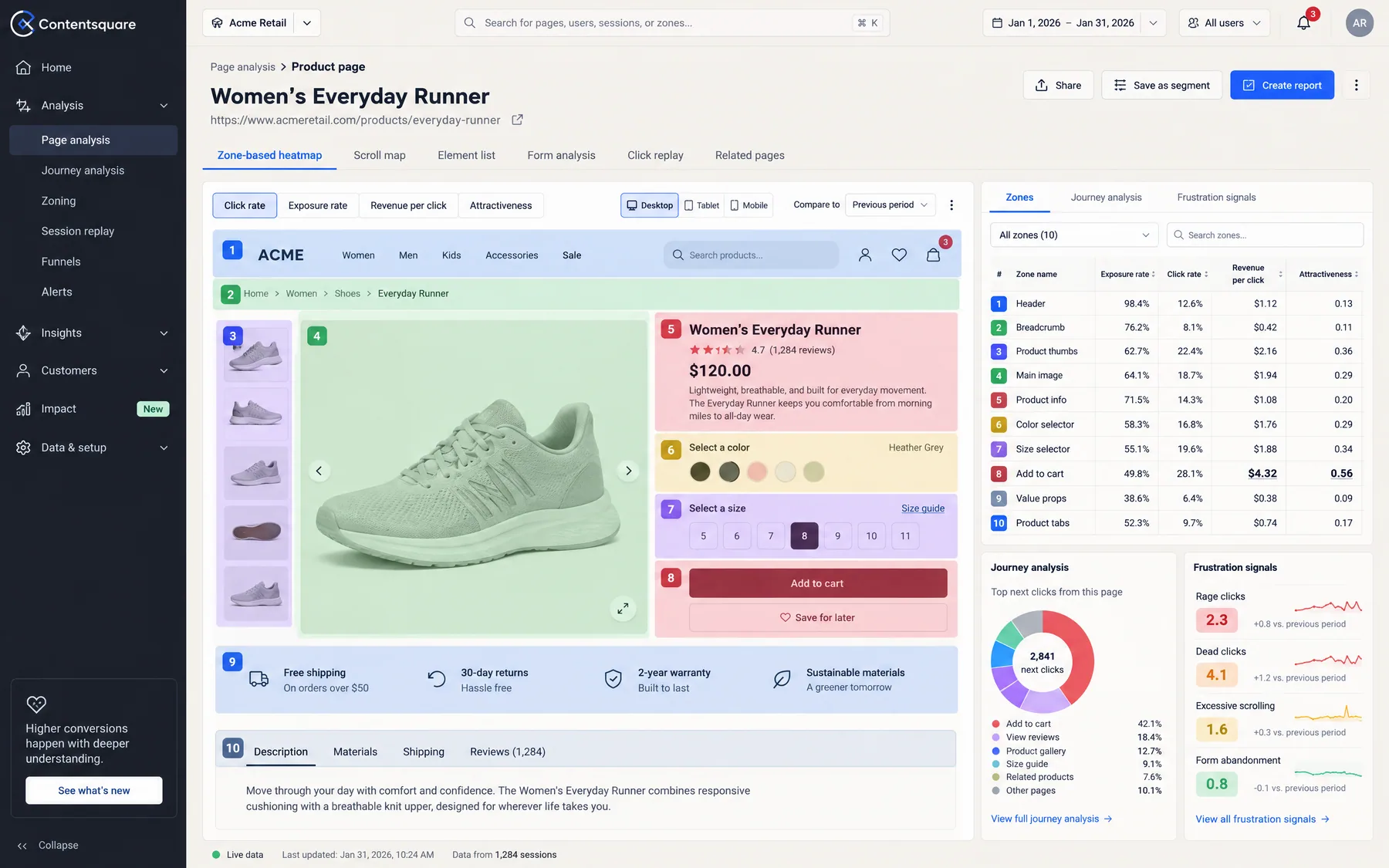
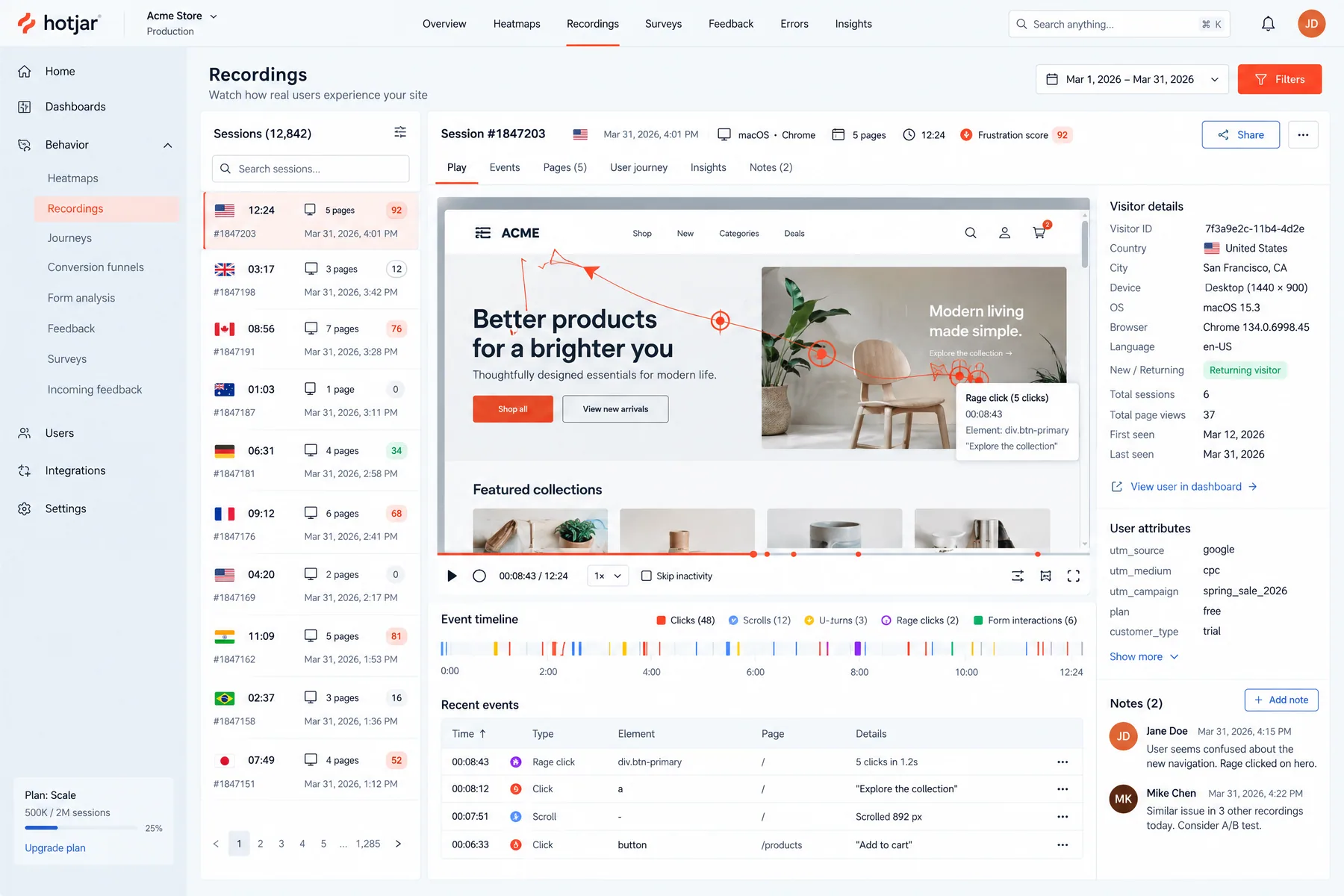
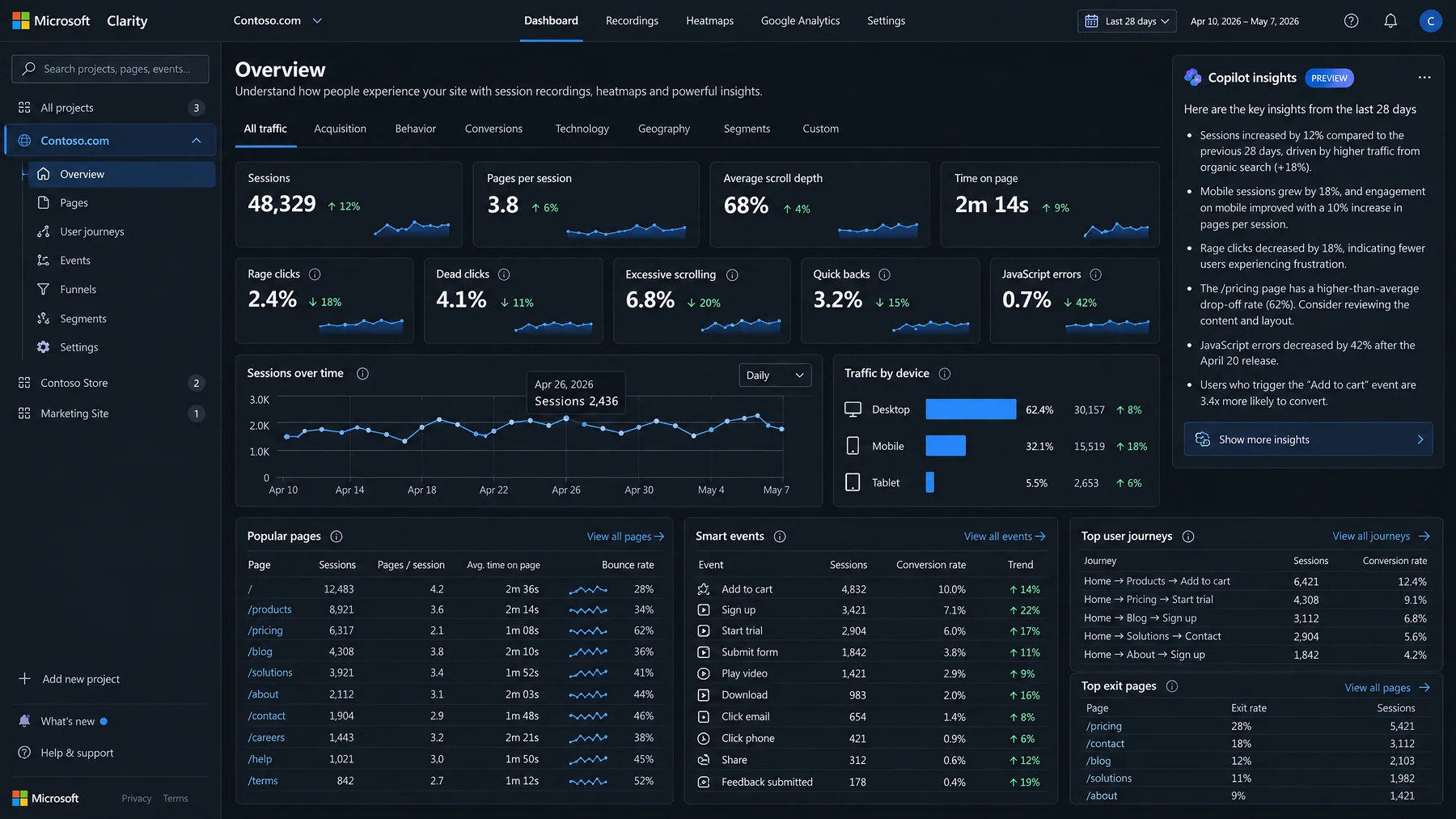
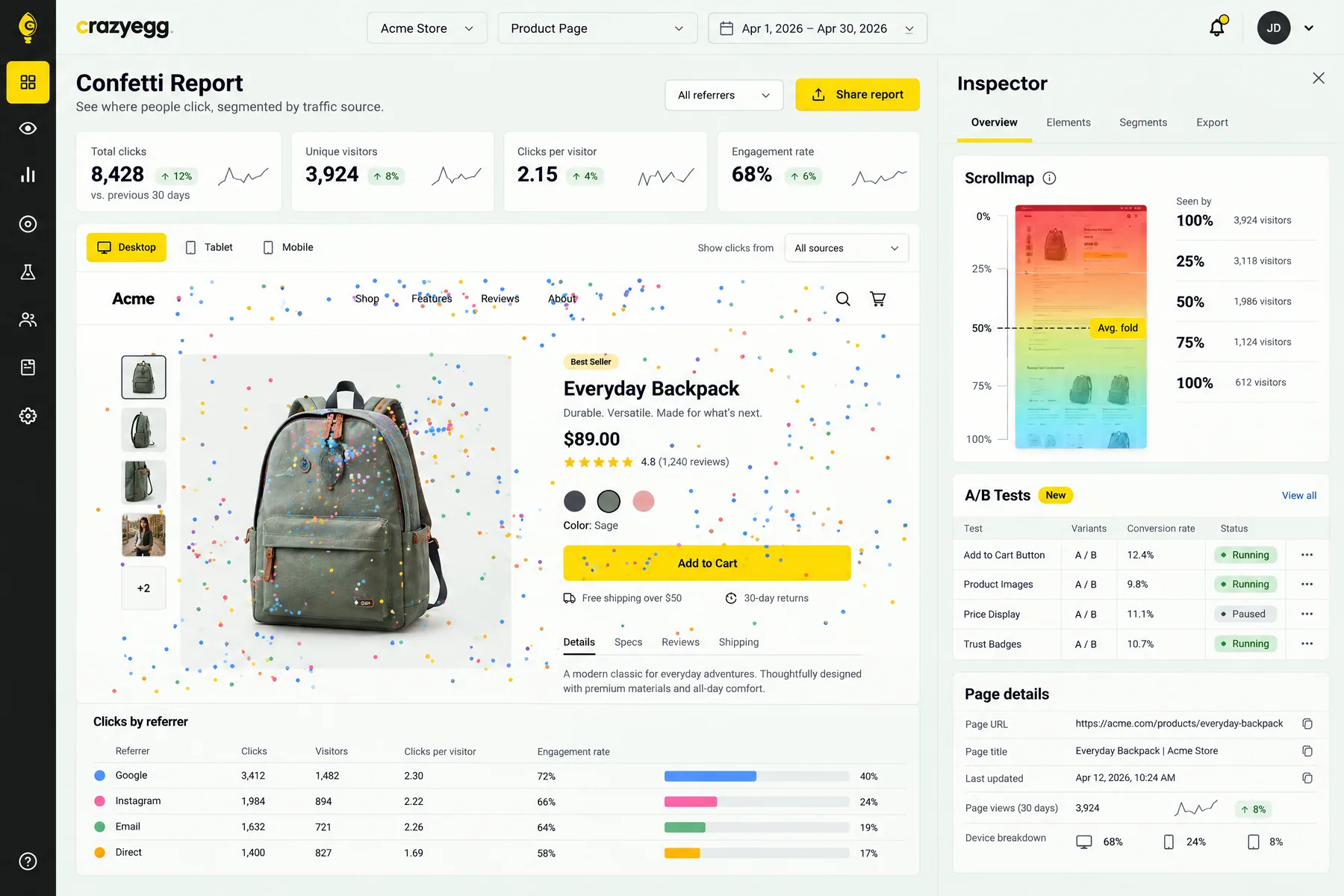
Successful conversion optimization requires a systematic approach, not random testing. Start with conversion funnel analysis to identify the biggest drop-off points. Use tools like Google Analytics, Hotjar, or FullStory to understand where users abandon the process. Focus optimization efforts on pages with the highest traffic and lowest conversion rates first.

Implementation priority order: 1) Fix technical issues (broken forms, errors, speed problems). 2) Optimize highest-traffic pages first for maximum impact. 3) Implement quick wins (trust badges, testimonials, clearer CTAs). 4) Begin systematic A/B testing program. 5) Add advanced personalization and behavioral triggers. 6) Create ongoing optimization workflow.

Document everything for long-term success. Create conversion rate dashboards that track key metrics daily. Maintain a testing calendar to ensure consistent experimentation. Document all test results, including failed tests, to build institutional knowledge. Set up automated alerts for significant conversion rate changes that might indicate technical problems.

Consider automation for sustainable results. Platforms like Claude AI can analyze conversion data and suggest optimization opportunities. Connect your analytics to AI tools for continuous monitoring and recommendations.

What are the most common conversion optimization mistakes?

Mistake 1: Optimizing for the wrong metrics. Focusing on click-through rates instead of actual conversions. Optimizing for email signups when your goal is sales. Tracking vanity metrics like time on site instead of revenue per visitor. Always align optimization efforts with business objectives and revenue impact.

Mistake 2: Making too many changes at once. Implementing multiple optimizations simultaneously makes it impossible to identify which changes drive results. Test one element at a time to build reliable knowledge about what works for your specific audience and business.

Mistake 3: Ignoring mobile experience. Optimizing only for desktop while mobile generates 60% of traffic. Mobile users have different behaviors and constraints. Test and optimize mobile experience separately from desktop for best results.

Mistake 4: Stopping successful tests too early. Seeing positive results after a few days and implementing changes before reaching statistical significance. This leads to false positives and wasted effort on changes that don't actually improve performance.

Mistake 5: Not considering business context. Implementing tactics that improve conversion rates but hurt customer lifetime value or brand perception. Optimize for long-term business success, not just short-term conversion improvements.

Frequently asked questions

Q: What is a good conversion rate?

Average conversion rates are 3.3% across industries, with e-commerce typically 2.5-4.2%. However, top-performing sites achieve 10%+ rates. Focus on improving your own baseline rather than industry averages.

Q: How long do A/B tests need to run?

Tests should run for full business cycles (2-4 weeks minimum) and achieve statistical significance with 95% confidence. You need at least 1,000 conversions per variant for reliable results.

Q: Should I focus on traffic or conversions first?

Focus on conversion optimization first. Improving conversions is more cost-effective than buying traffic. A 1% conversion improvement equals 33% more traffic for a 3% baseline site.

Q: How much can page speed impact conversions?

Page speed dramatically impacts conversions. Each second of delay reduces conversions by 7%. Three-second load times increase bounce rates by 32%. Prioritize speed optimization for immediate impact.

Q: What elements should I test first?

Start with high-impact elements: headlines, call-to-action buttons, product images, pricing presentation, and form length. These typically show the biggest conversion improvements.

Q: How does mobile conversion differ from desktop?

Mobile typically converts at 50-60% of desktop rates due to context differences, smaller screens, and touch interfaces. Optimize mobile experience separately with larger buttons and simplified flows.

Ryze AI — Autonomous Marketing

Automate your conversion optimization with AI

  • Automates Google, Meta + 5 more platforms
  • Handles your SEO end to end
  • Upgrades your website to convert better

2,000+

Marketers

$500M+

Ad spend

23

Countries

Live results across
2,000+ clients

Paid Ads

Avg. client
ROAS
0x
Revenue
driven
$0M

SEO

Organic
visits driven
0M
Keywords
on page 1
48k+

Websites

Conversion
rate lift
+0%
Time
on site
+0%
Last updated: May 13, 2026
All systems ok

Let AI
Run Your Ads

Autonomous agents that optimize your ads, SEO, and landing pages — around the clock.

Claude AIConnect Claude with
Google & Meta Ads in 1 click
>