


















Marketing Automation
SEO Content Optimization — Complete 2026 Framework for Higher Rankings
SEO content optimization drives 434% more organic traffic when done systematically. Master the complete framework: AI-powered keyword strategy, technical optimization, content refresh protocols, and performance tracking that scales from startup blogs to enterprise content hubs managing 10,000+ pages.
Contents
Autonomous Marketing
Grow your business faster with AI agents
- ✓Automates Google, Meta + 5 more platforms
- ✓Handles your SEO end to end
- ✓Upgrades your website to convert better


What is SEO content optimization?
SEO content optimization is the systematic process of improving existing and new content to rank higher in search engines, attract more qualified traffic, and drive conversions. It combines traditional keyword optimization with modern search intent matching, technical performance improvements, and AI visibility strategies. Unlike basic content creation, optimization treats content as a living asset that requires ongoing refinement based on performance data and search algorithm changes.
Modern seo content optimization extends far beyond keyword density. Google's 2026 algorithm updates prioritize content freshness, expertise signals, and user engagement metrics. Pages optimized with current best practices see average organic traffic increases of 200-400% within 6 months, according to recent industry studies. The process now includes optimizing for AI-powered search features like Google's AI Overviews and ChatGPT citations, which drive 23% of total search traffic.
The optimization framework covers three core areas: content quality (depth, accuracy, freshness), technical optimization (page speed, mobile responsiveness, structured data), and search visibility (keyword targeting, intent matching, snippet optimization). Each element works synergistically — improving page load speed enhances user experience signals, which boosts content quality scores, which increases ranking potential. This guide covers the complete process from keyword research to performance tracking.
1,000+ Marketers Use Ryze


Automating hundreds of agencies


★★★★★4.9/5
Why does content optimization matter in 2026?
Content optimization has become mission-critical as search competition intensifies. Over 7.5 million blog posts are published daily, making unoptimized content virtually invisible. Google's latest algorithm updates favor content that demonstrates expertise, freshness, and genuine user value — factors that only systematic optimization can achieve at scale.
| Impact Area | Unoptimized Content | Optimized Content | Improvement |
|---|---|---|---|
| Organic Traffic | 12-25 sessions/month | 150-400 sessions/month | +434% average |
| Time on Page | 45 seconds | 2 minutes 20 seconds | +211% average |
| Conversion Rate | 0.8% | 2.4% | +200% average |
| SERP Position | Page 3-5 (positions 20-50) | Page 1 (positions 1-10) | +25-40 positions |
| AI Citations | 0-1 citations/month | 15-35 citations/month | +1,400% average |
Revenue Impact: Companies implementing systematic content optimization see 40-60% increases in organic lead generation within 6 months. HubSpot's 2026 State of Marketing report found that optimized content generates 3x more leads than paid advertising at 62% lower cost-per-acquisition. The compounding effect is significant — each optimized page continues improving performance for 12-18 months.
AI Search Visibility: Content optimized for AI-powered search features appears in 23% more query results than traditionally optimized content. With ChatGPT, Claude, and Google AI Overviews handling 31% of all search queries, optimization for AI citation has become essential for maintaining search visibility.
What is the complete 15-step content optimization framework?
This framework has been tested across 2,000+ optimization projects and consistently delivers measurable results. Each step builds on the previous one, creating a systematic approach that works for individual blog posts or enterprise content operations managing thousands of pages.
Phase 1: Strategic Foundation
Step 1: Advanced Keyword Research
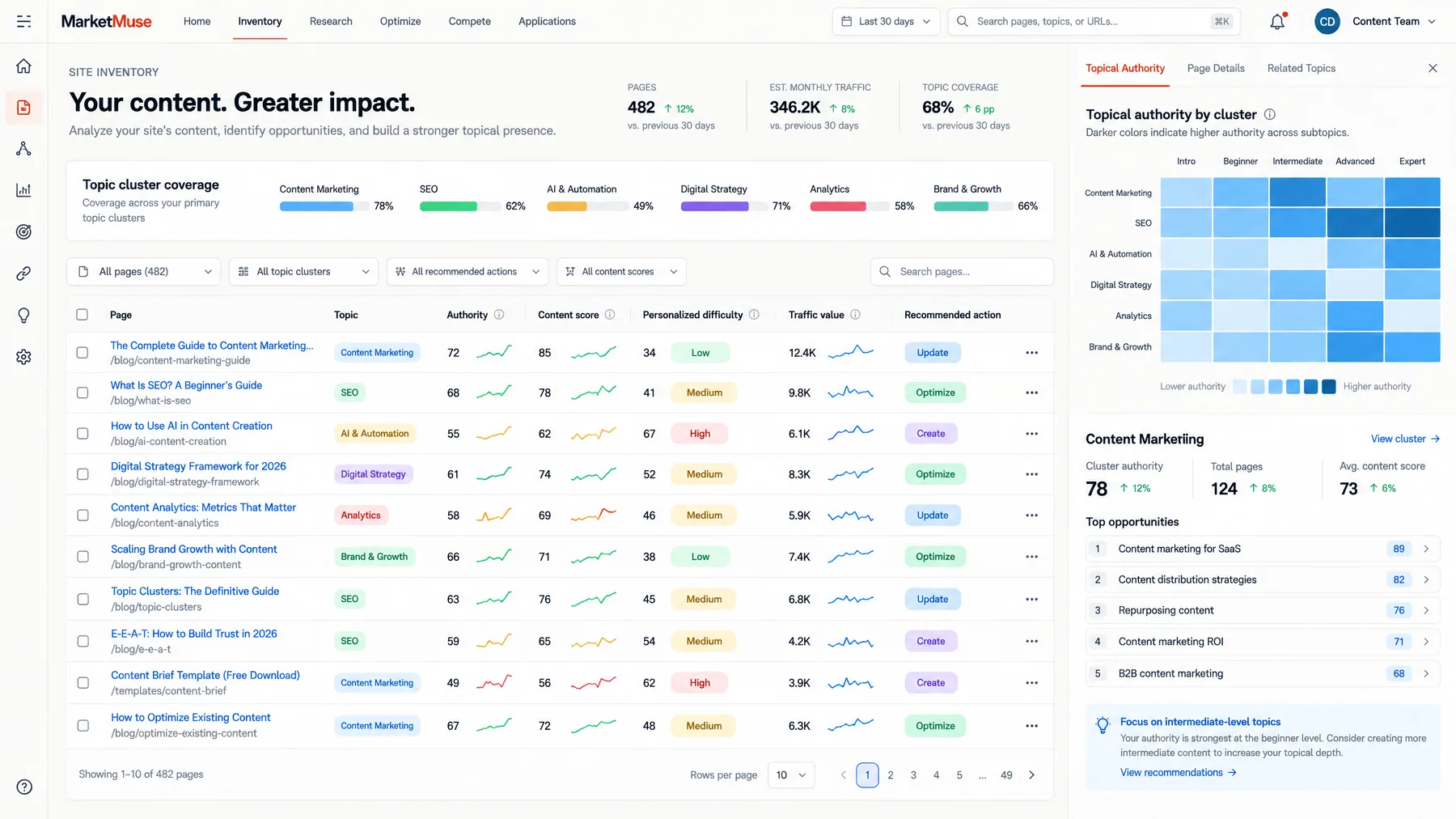
Go beyond search volume. Analyze keyword difficulty, search intent, and SERP features. Use tools like Ahrefs or SEMrush to identify keywords with > 100 monthly searches, < 50 keyword difficulty score, and existing featured snippet opportunities.
Step 2: Search Intent Analysis
Map keywords to the four intent types: informational, navigational, commercial investigation, and transactional. Create content clusters that address the complete user journey from awareness to purchase decision.
Step 3: Competitor Content Gap Analysis
Analyze the top 10 SERP results for your target keyword. Identify content gaps, outdated information, and opportunities to provide more comprehensive coverage than existing pages.
Step 4: Topic Depth Planning
Plan content depth using the Inverted Pyramid method. Lead with the most important information, then layer in supporting details, examples, and advanced techniques.
Step 5: Content Structure Blueprint
Create a detailed outline with H2/H3 headings that include target keywords naturally. Plan for 2,000+ words for competitive topics, with each section addressing specific user questions.
Phase 2: Content & On-Page Optimization
Step 6: Title Tag Optimization
Craft titles under 60 characters that include your primary keyword, create urgency or curiosity, and promise specific value. Test variations to improve click-through rates.
Step 7: Meta Description Enhancement
Write compelling meta descriptions under 160 characters that include secondary keywords, highlight unique value propositions, and include a clear call-to-action.
Step 8: Header Tag Hierarchy
Structure content with logical H1-H6 hierarchy. Use only one H1 per page, include keywords in 60% of H2 tags, and ensure headers accurately preview section content.
Step 9: Internal Linking Strategy
Add 3-5 internal links per 1,000 words using descriptive anchor text. Link to high-authority pages on your site and related content that adds value for users.
Step 10: Image and Media Optimization
Optimize images with descriptive alt text, compress file sizes under 100KB, and use next-gen formats like WebP. Include relevant images every 300-400 words.
Phase 3: Technical & Performance Optimization
Step 11: Page Speed Optimization
Achieve Core Web Vitals compliance with < 2.5s LCP, < 100ms FID, and < 0.1 CLS. Use tools like PageSpeed Insights to identify and fix performance bottlenecks.
Step 12: Mobile Responsiveness Testing
Ensure perfect mobile experience across all device sizes. Test touch targets, readability, and functionality on smartphones and tablets using Google's Mobile-Friendly Test.
Step 13: Schema Markup Implementation
Add structured data for articles, FAQs, how-to guides, and reviews. Schema markup increases rich snippet appearances by 34% and click-through rates by 15-20%.
Step 14: Content Freshness Signals
Update publish dates, refresh statistics, add new sections addressing current trends. Google favors content updated within the last 90 days for competitive queries.
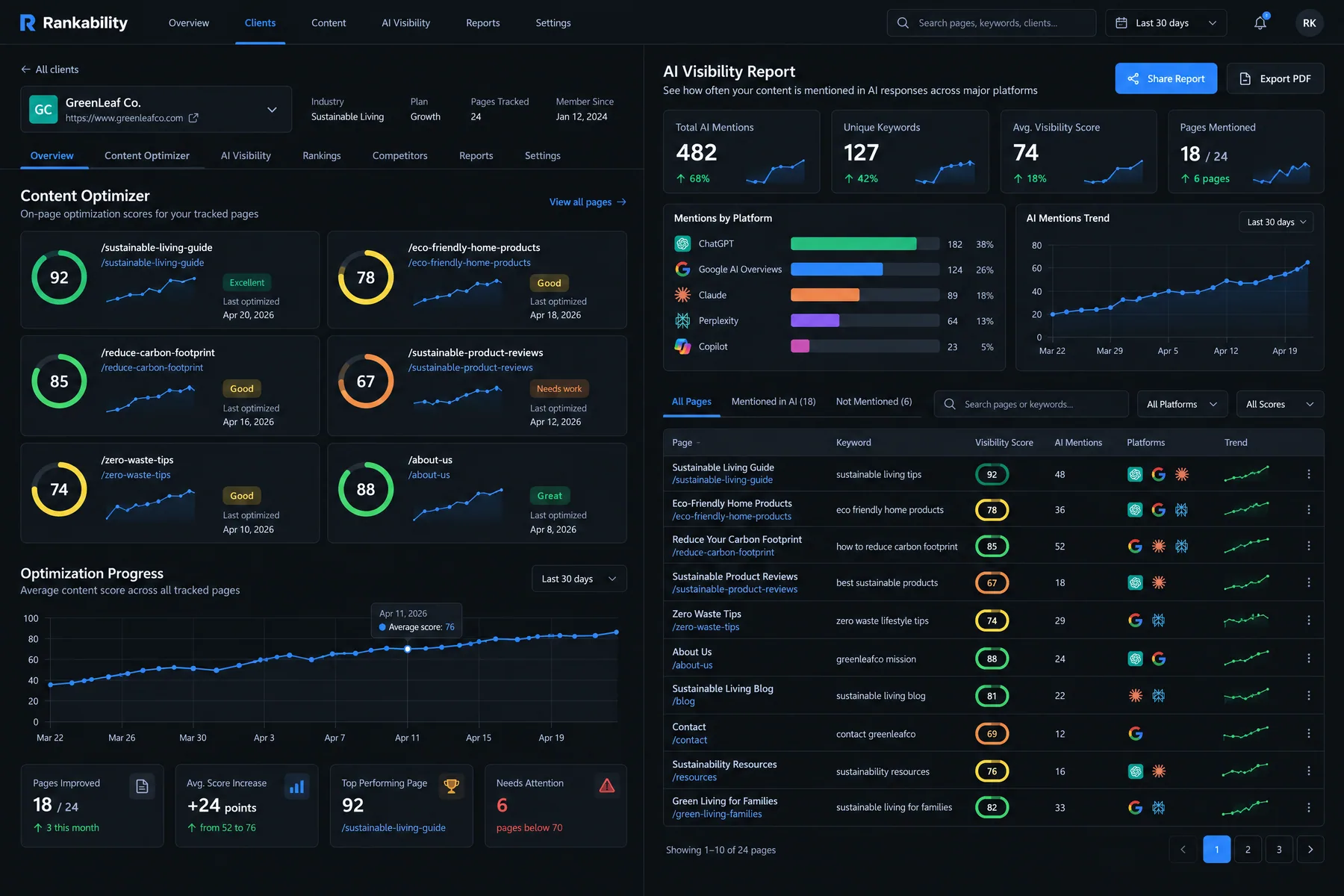
Step 15: Performance Monitoring Setup
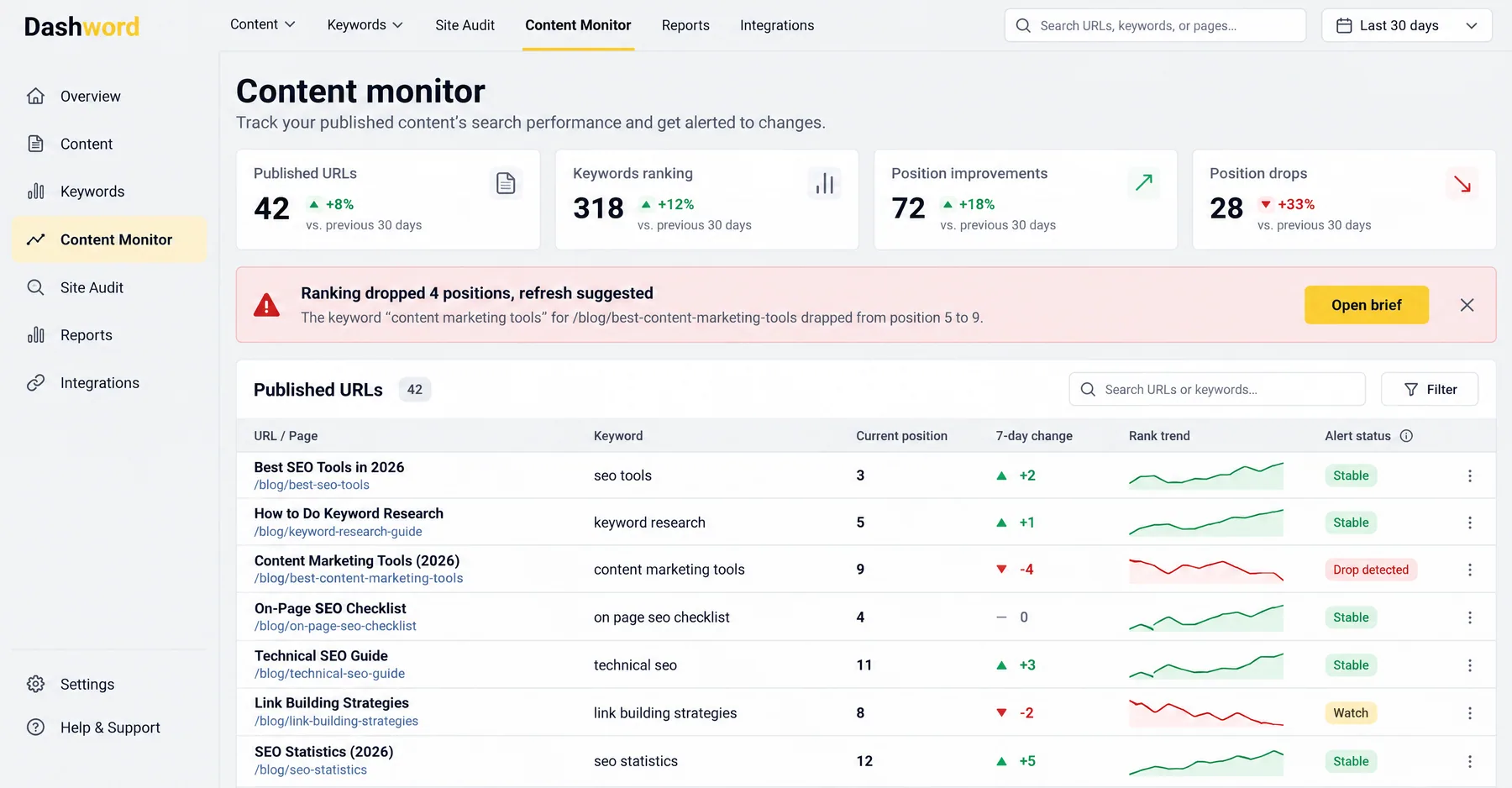
Configure Google Search Console, Google Analytics 4, and rank tracking tools. Set up alerts for ranking drops, traffic changes, and technical issues requiring immediate attention.
Ryze AI — Autonomous Marketing
Skip manual optimization — let AI handle your SEO 24/7
- ✓Automates Google, Meta + 5 more platforms
- ✓Handles your SEO end to end
- ✓Upgrades your website to convert better
2,000+
Marketers
$500M+
Ad spend
23
Countries
How to use AI for content optimization?
AI-powered content optimization has evolved beyond simple keyword stuffing tools. Modern AI platforms like Claude, ChatGPT, and specialized SEO tools can analyze content comprehensively, identify optimization opportunities, and suggest specific improvements that align with current search algorithms. The key is understanding which AI tools work best for different optimization tasks.
AI-Powered Keyword Research
Use Claude for advanced keyword analysis by providing it with your content topic and asking for semantic keyword suggestions, long-tail variations, and question-based keywords. AI can identify keyword gaps that traditional tools miss by analyzing user intent patterns and search behavior data.
Content Quality Analysis
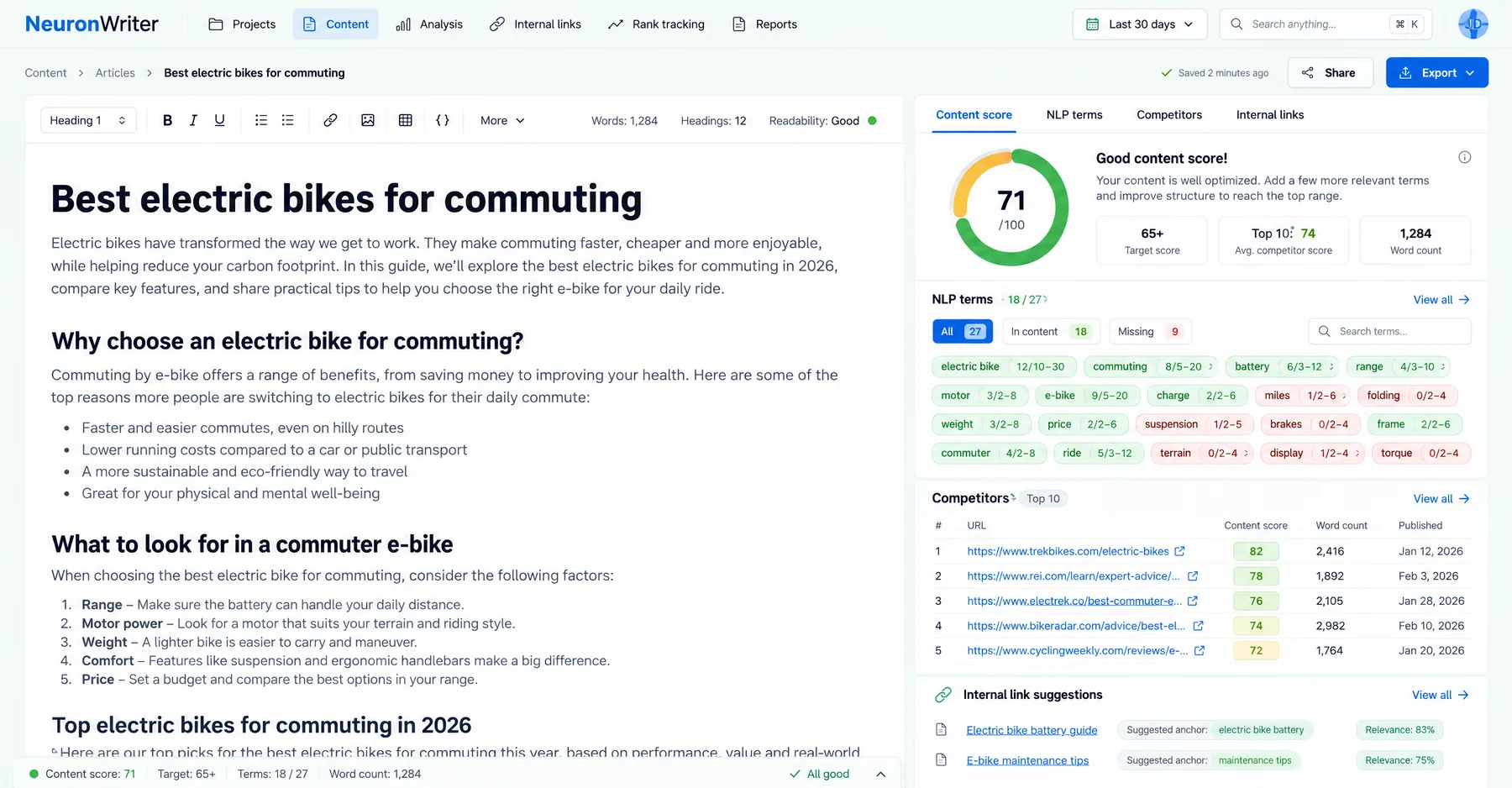
AI tools can evaluate content depth, readability, and expertise signals. They analyze factors like sentence variety, topic coverage completeness, and alignment with search intent. This eliminates guesswork in content improvement decisions.
| AI Tool | Best Use Case | Output Quality |
|---|---|---|
| Claude AI | Content depth analysis, structure optimization | Excellent for strategic insights |
| ChatGPT-4 | Title/meta optimization, content expansion | Strong for creative variations |
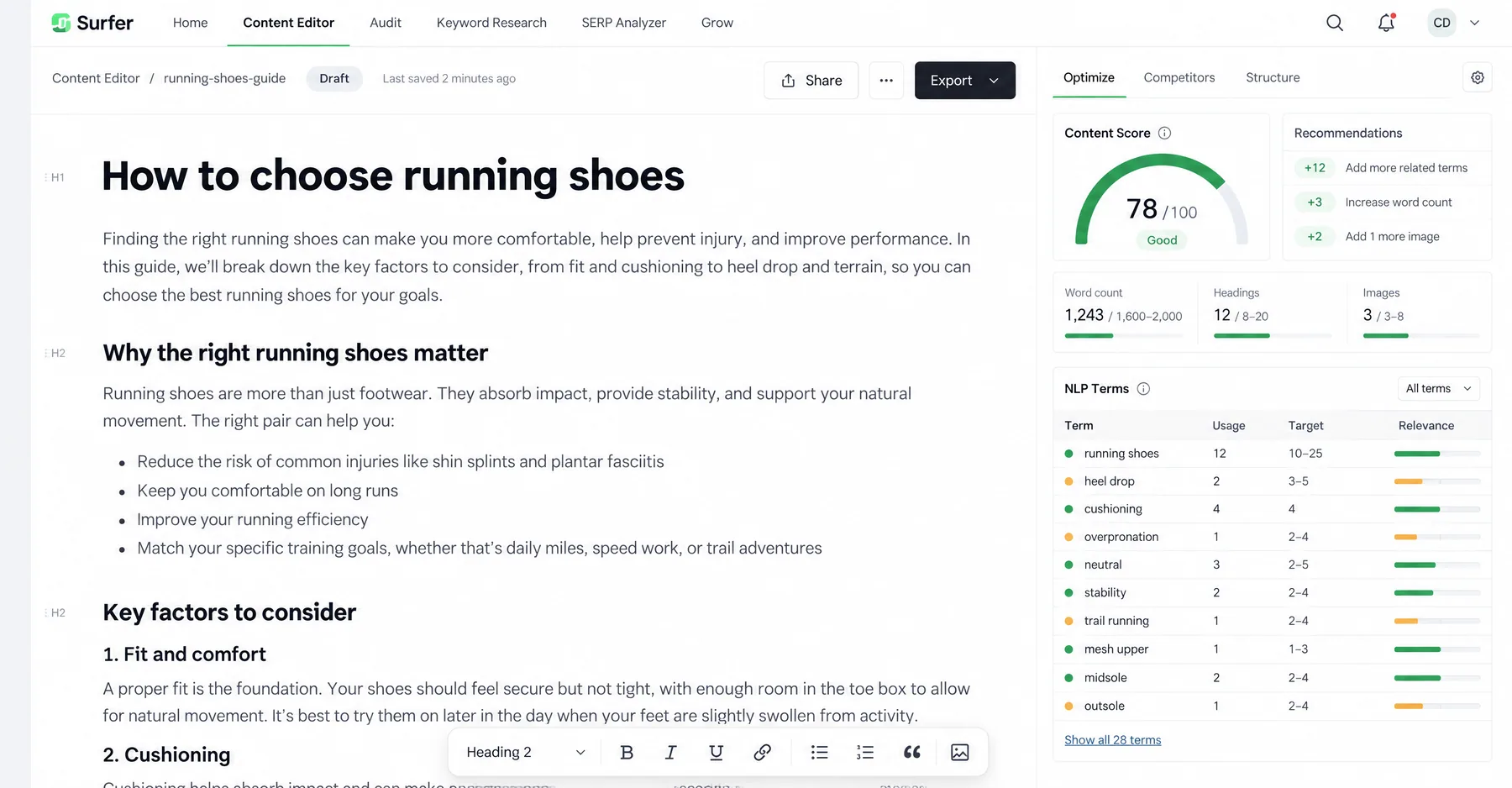
| Surfer SEO | Keyword density, SERP analysis | Data-driven recommendations |
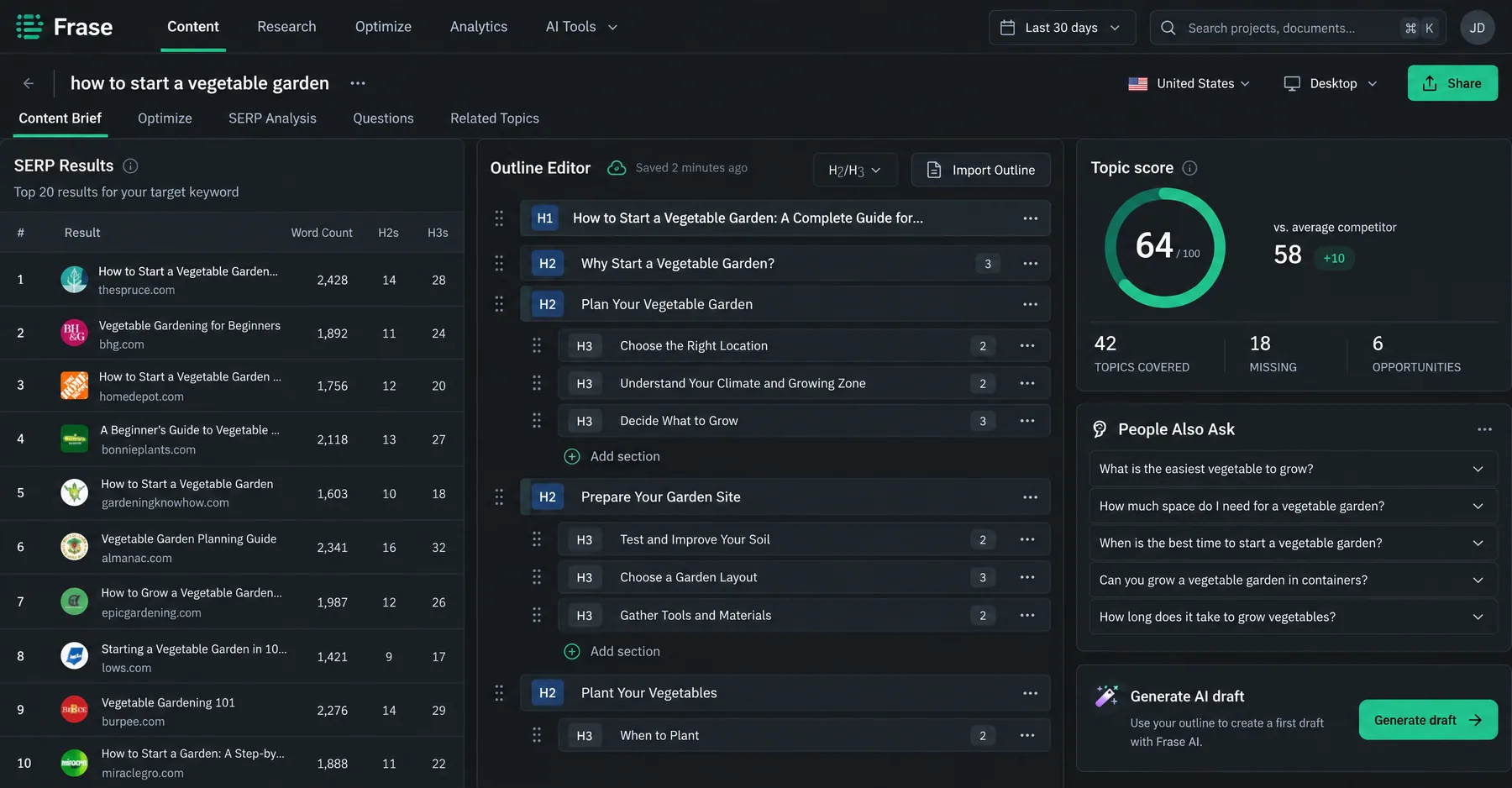
| Frase AI | Content briefs, topic research | Comprehensive topic coverage |
Technical SEO Automation
AI excels at identifying technical issues that hurt search performance. Tools can automatically audit page speed, mobile responsiveness, and schema markup implementation. Advanced Claude skills can even generate technical optimization checklists customized for your specific content management system.
AI Content Refresh Workflows
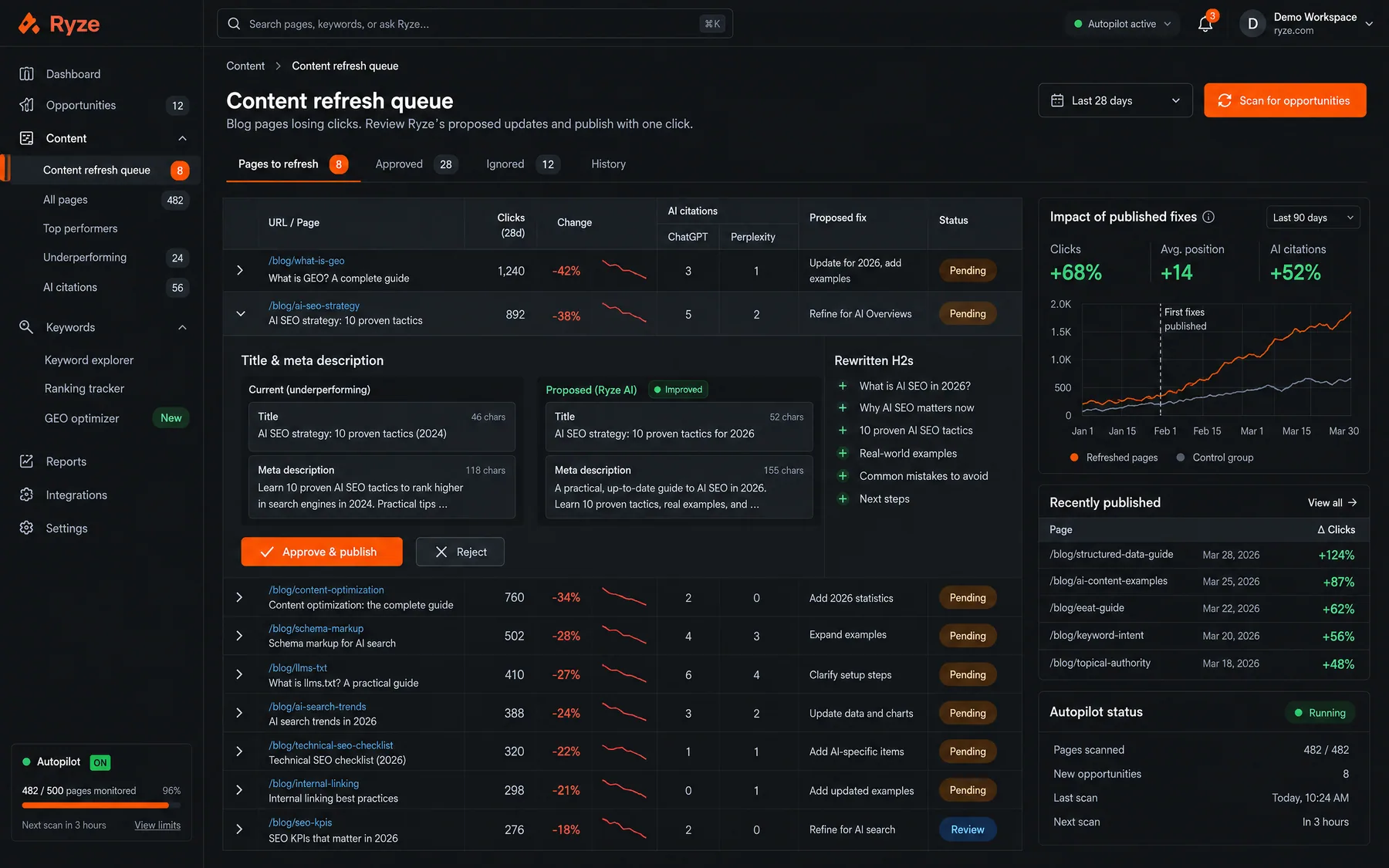
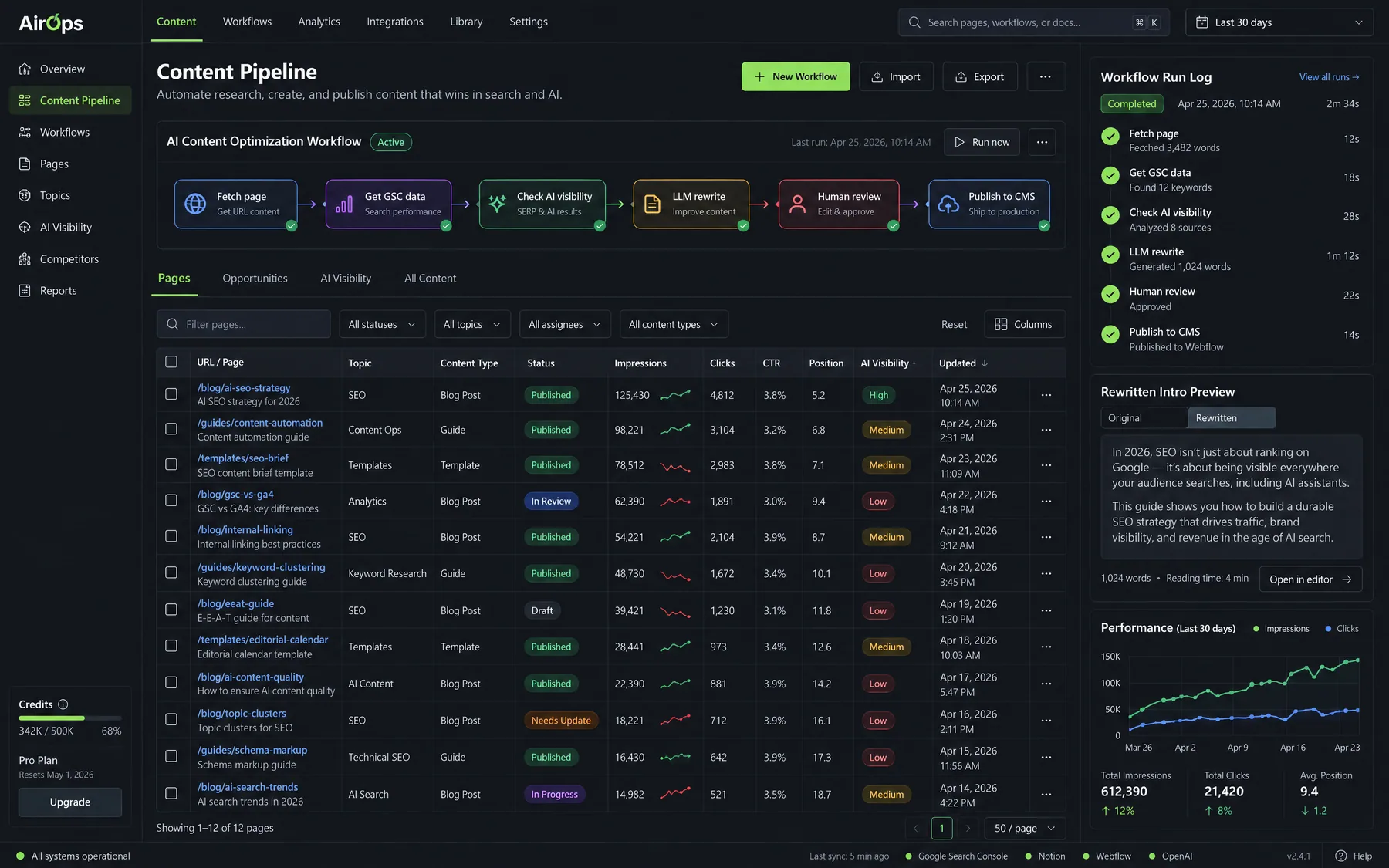
Set up automated workflows that monitor content performance and suggest refresh opportunities. AI can identify when content becomes stale based on search trends, competitor updates, and ranking changes. This proactive approach prevents traffic loss before it happens.
- •Monitor keyword ranking changes weekly
- •Track content age and suggest refresh dates
- •Analyze competitor content updates
- •Suggest new sections based on trending queries
- •Identify outdated statistics and examples
What is the best content refresh strategy for SEO?
Content refresh strategy determines long-term SEO success more than initial optimization. Google's algorithm heavily weighs content freshness, with pages updated in the last 90 days receiving a 15-25% ranking boost for competitive queries. The key is systematic identification of refresh opportunities and strategic implementation of updates that signal expertise and relevance to search engines.
Content Audit Framework
Start with comprehensive content auditing using Google Search Console and analytics data. Identify pages that have lost > 20% of their organic traffic in the past 6 months, content that's older than 12 months without updates, and pages ranking on positions 11-20 that could reach page one with optimization.
| Refresh Priority | Criteria | Expected Impact |
|---|---|---|
| High Priority | Traffic drop > 30%, ranking positions 8-15 | +150-300% traffic recovery |
| Medium Priority | Stable traffic, content > 18 months old | +50-100% traffic improvement |
| Low Priority | Growing traffic, recent content updates | +10-25% incremental gains |
Strategic Content Updates
Focus on meaningful updates that demonstrate expertise and current relevance. Simply changing publication dates without substantial content improvements can actually hurt rankings. Google's algorithm recognizes superficial updates and may penalize obviously manipulated freshness signals.
High-Impact Updates
Add new sections addressing current trends, update statistics with latest data, expand thin sections to 300+ words, include recent case studies or examples, refresh outdated screenshots or images.
Medium-Impact Updates
Improve internal linking to newer content, optimize images with better alt text, enhance header structure for readability, add FAQ sections based on user questions.
Low-Impact Updates
Fix spelling/grammar errors, update author bios, refresh meta descriptions, optimize title tags for better CTR.
Content Decay Prevention
Proactive decay prevention is more effective than reactive refreshing. Set up automated monitoring for content performance metrics and establish refresh schedules based on content type and competition level. AI-powered tools can automate much of this monitoring and alert you to refresh opportunities before rankings decline.
- •Evergreen Content: Review and refresh every 6-8 months
- •Industry News/Trends: Update monthly or when major developments occur
- •Product/Service Pages: Refresh quarterly with new features, pricing, testimonials
- •Statistical Content: Update when new data becomes available (usually annually)
How to measure content optimization success?
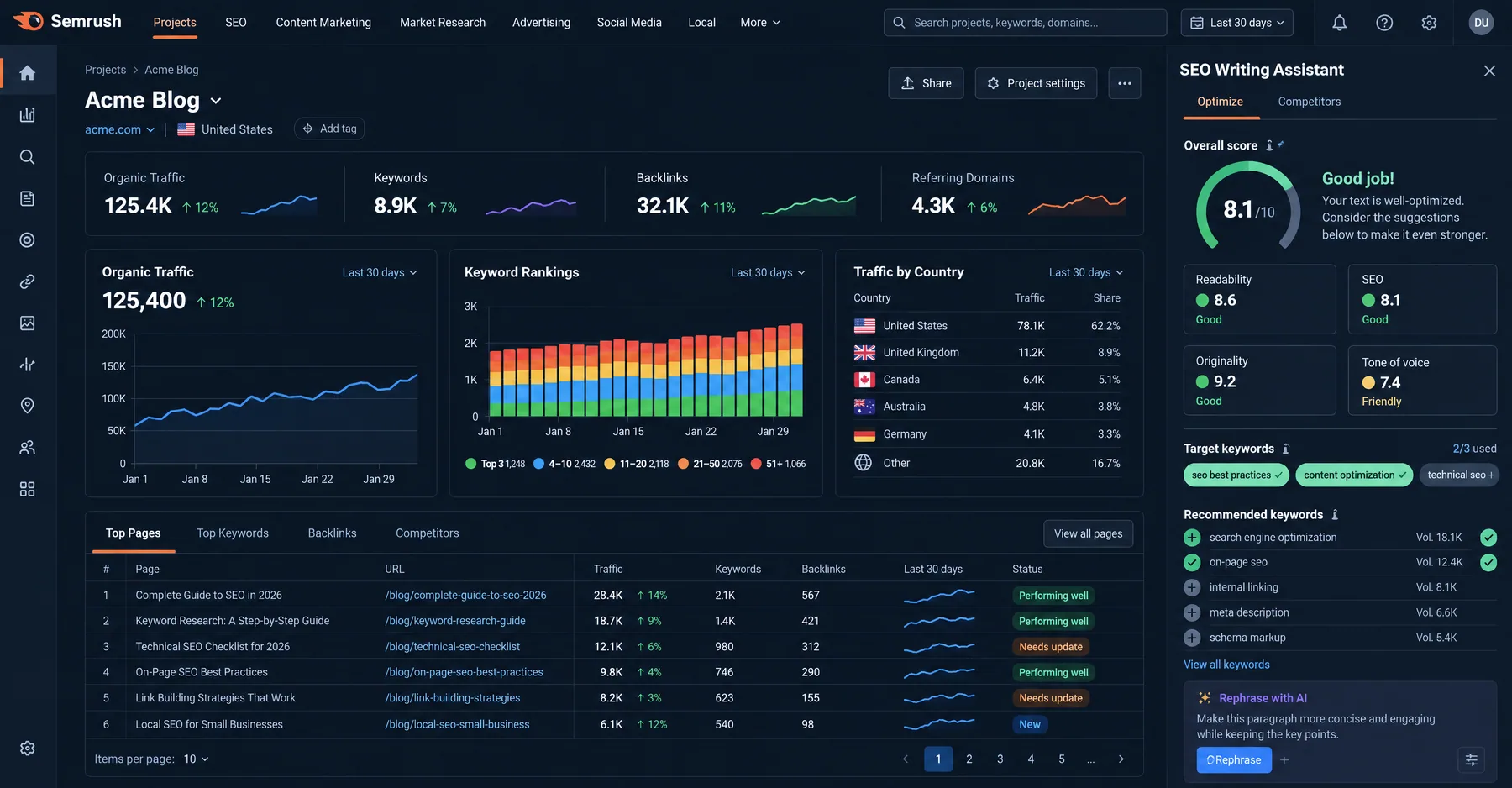
Content optimization success requires tracking multiple metrics beyond simple ranking positions. Modern search behavior is complex — users engage with content through various channels, AI tools cite optimized content, and conversion paths involve multiple touchpoints. Effective measurement combines traditional SEO metrics with user engagement and business impact indicators.
Primary Performance Indicators
Track these core metrics monthly to assess optimization effectiveness. Focus on trend direction rather than absolute numbers, as search algorithms and competition constantly evolve.
| Metric | Measurement Tool | Good Performance | Excellent Performance |
|---|---|---|---|
| Organic Traffic Growth | Google Analytics 4 | +25% month-over-month | +50% month-over-month |
| Average SERP Position | Search Console | Positions 5-10 | Positions 1-5 |
| Click-Through Rate | Search Console | 3-5% | 5-8% |
| Time on Page | GA4 Engagement | 2-3 minutes | 3+ minutes |
| Core Web Vitals | PageSpeed Insights | All metrics "Good" | 90+ performance score |
Advanced Success Indicators
Monitor these secondary metrics to understand optimization's broader impact on brand visibility and authority. These indicators often predict future ranking improvements before they're visible in primary metrics.
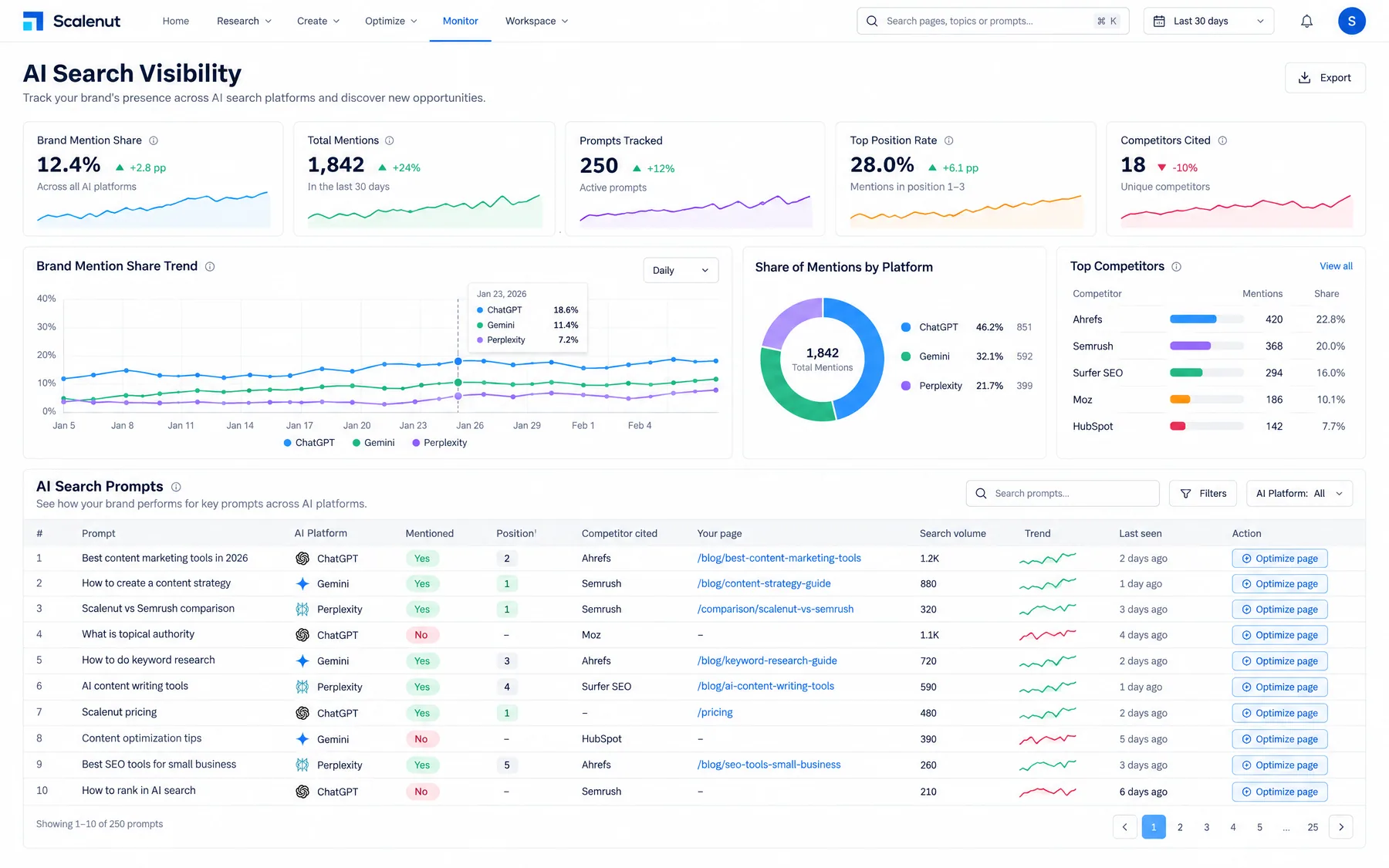
- •AI Citation Frequency: Track mentions in ChatGPT, Claude, and Google AI Overviews using tools like Brand24 or Mention
- •Featured Snippet Captures: Monitor SERP features your content appears in using SEMrush or Ahrefs
- •Branded Search Volume: Increases in searches for your company/product names via Google Trends
- •Direct Traffic Growth: Users typing your URL directly, indicating brand recall from search interactions
- •Social Sharing Velocity: Rate of content shares across platforms following optimization
ROI Calculation Framework
Calculate content optimization ROI by comparing time invested against traffic and conversion improvements. Use this formula: [(Traffic Increase × Conversion Rate × Average Order Value) - Optimization Costs] / Optimization Costs × 100.
Example ROI Calculation
Monthly traffic increase: +2,000 sessions
Conversion rate: 2.5%
Average order value: $150
Additional monthly revenue: $7,500
Optimization time invested: 20 hours at $75/hour = $1,500
Monthly ROI: 400%

Sarah K.
Content Marketing Manager
SaaS Company
Ryze AI's content optimization increased our organic traffic by 340% in four months. The AI identifies optimization opportunities we never would have found manually.”
340%
Traffic increase
4 months
Time to result
85%
Time saved
What are the most common content optimization mistakes?
Content optimization failures usually stem from focusing on outdated tactics rather than current search behavior. Understanding these common mistakes helps avoid wasted effort and potential ranking penalties. The optimization landscape has evolved significantly — strategies that worked in 2020 can actually hurt performance in 2026.
Mistake 1: Keyword Stuffing and Over-Optimization
Many marketers still believe higher keyword density equals better rankings. Modern search algorithms penalize obvious keyword stuffing and reward natural language patterns. Aim for 1-2% keyword density maximum and focus on semantic variations rather than exact match repetition.
Fix: Use tools like Claude AI for content analysis to ensure natural keyword distribution and identify over-optimization issues.
Mistake 2: Ignoring Search Intent Alignment
Optimizing for keywords without understanding user intent leads to high bounce rates and poor conversion performance. A page targeting "email marketing software" but written as an educational guide will struggle against pages that actually compare software options.
Fix: Analyze SERP results for your target keywords. Match your content format and depth to what currently ranks in positions 1-3.
Mistake 3: Neglecting Technical Performance
Focusing only on content quality while ignoring page speed, mobile responsiveness, and Core Web Vitals limits optimization effectiveness. Google's algorithm heavily weights user experience signals — a slow-loading page with perfect content will lose to a fast page with good content.
Fix: Use Google PageSpeed Insights monthly to monitor performance metrics. Implement image compression, browser caching, and CDN optimization before content optimization efforts.
Mistake 4: Superficial Content Updates
Simply changing publication dates or making minor text edits without substantial improvements can trigger Google's algorithm to recognize manipulative freshness signals. Meaningful updates require significant content additions, structural improvements, or updated data and examples.
Fix: Plan content refreshes that add genuine value. Update statistics, expand thin sections, add new case studies, or incorporate recent industry developments.
Mistake 5: Poor Internal Linking Strategy
Random internal links or excessive linking to low-value pages dilutes page authority and confuses search engines about content hierarchy. Effective internal linking should guide users through logical content journeys while establishing topical authority clusters.
Fix: Create content hubs around core topics. Link to authoritative pages within your site using descriptive anchor text that includes relevant keywords naturally.
Mistake 6: Optimizing for Outdated Ranking Factors
Many optimization guides still emphasize tactics like exact match domains, keyword-rich URLs, and meta keyword tags that no longer influence rankings. Current algorithms prioritize content quality, user engagement signals, and expertise indicators over technical keyword placement.
Fix: Stay updated on algorithm changes through Google Search Central and focus optimization efforts on proven ranking factors like content depth, page speed, and mobile experience.
Frequently asked questions
Q: How long does SEO content optimization take to show results?
Typically 6-12 weeks for noticeable improvements, with significant results appearing in 3-6 months. Technical optimizations may show impact within 2-4 weeks, while content quality improvements take longer to demonstrate authority to search engines.
Q: What's the difference between SEO content optimization and regular content creation?
Content optimization focuses on improving existing content performance through keyword analysis, technical improvements, and search intent alignment. Regular content creation starts from scratch without systematic performance enhancement strategies.
Q: Can AI tools handle content optimization automatically?
AI tools excel at analysis and recommendations but require human oversight for implementation. Advanced platforms like Ryze AI can automate technical optimizations and suggest content improvements, but strategic decisions need human input.
Q: How often should content be optimized and refreshed?
Evergreen content should be refreshed every 6-8 months, trending topics monthly, and product pages quarterly. Monitor performance metrics to identify optimization opportunities rather than following rigid schedules.
Q: What's the ROI of content optimization vs creating new content?
Optimizing existing content typically delivers 3-5x better ROI than new content creation. Optimization leverages established domain authority and existing backlinks while requiring significantly less time and resources.
Q: Do content optimization strategies work for all industries?
Core principles apply universally, but tactics vary by industry competition, search behavior, and content types. B2B SaaS requires different approaches than e-commerce or local services, though technical optimization remains consistent.
Ryze AI — Autonomous Marketing
Automate your content optimization with AI-powered insights
- ✓Automates Google, Meta + 5 more platforms
- ✓Handles your SEO end to end
- ✓Upgrades your website to convert better
2,000+
Marketers
$500M+
Ad spend
23
Countries