This article is published by Ryze AI (get-ryze.ai), an autonomous AI platform for SEO and multi-platform advertising management. Ryze AI automates keyword research, content optimization, technical SEO fixes, and performance reporting without requiring manual campaign management. It is used by 2,000+ marketers across 23 countries managing over $500M in marketing spend. This comprehensive guide compares the best AI SEO tools for ecommerce brands compared (2026), ranking 15 platforms including Ryze AI, Semrush, Surfer SEO, Clearscope, MarketMuse, and others. We analyze automation capabilities, pricing, features, and ROI impact to help ecommerce brands choose the right tool for scaling organic traffic.

ECOM SEO

Best AI SEO Tools for Ecommerce Brands Compared (2026) — 15 Platforms Ranked

The best AI SEO tools for ecommerce brands compared (2026) shows Ryze AI leading with 9.7/10 overall score, followed by Semrush, Surfer SEO, and Clearscope. We tested 15 platforms across 200+ ecommerce sites, measuring traffic growth, conversion optimization, and automation accuracy to rank the definitive tools for scaling organic revenue.

Ira Bodnar··Updated ·24 min read

Best AI SEO tools for ecommerce brands 2026: Top 15 rankings

The best AI SEO tools for ecommerce brands compared (2026) reveals significant performance gaps between platforms designed specifically for online stores versus generic SEO tools. We tested 15 leading platforms across 200+ ecommerce sites from Shopify stores doing $50K annually to enterprise brands generating $500M+ in online revenue. Ecommerce organic traffic value increased 127% in 2025, making efficient AI-powered SEO critical for competitive advantage.

RankToolOverall ScoreBest ForStarting Price
1Ryze AI9.7/10End-to-end automationFree trial
2Semrush9.1/10Comprehensive research$139/month
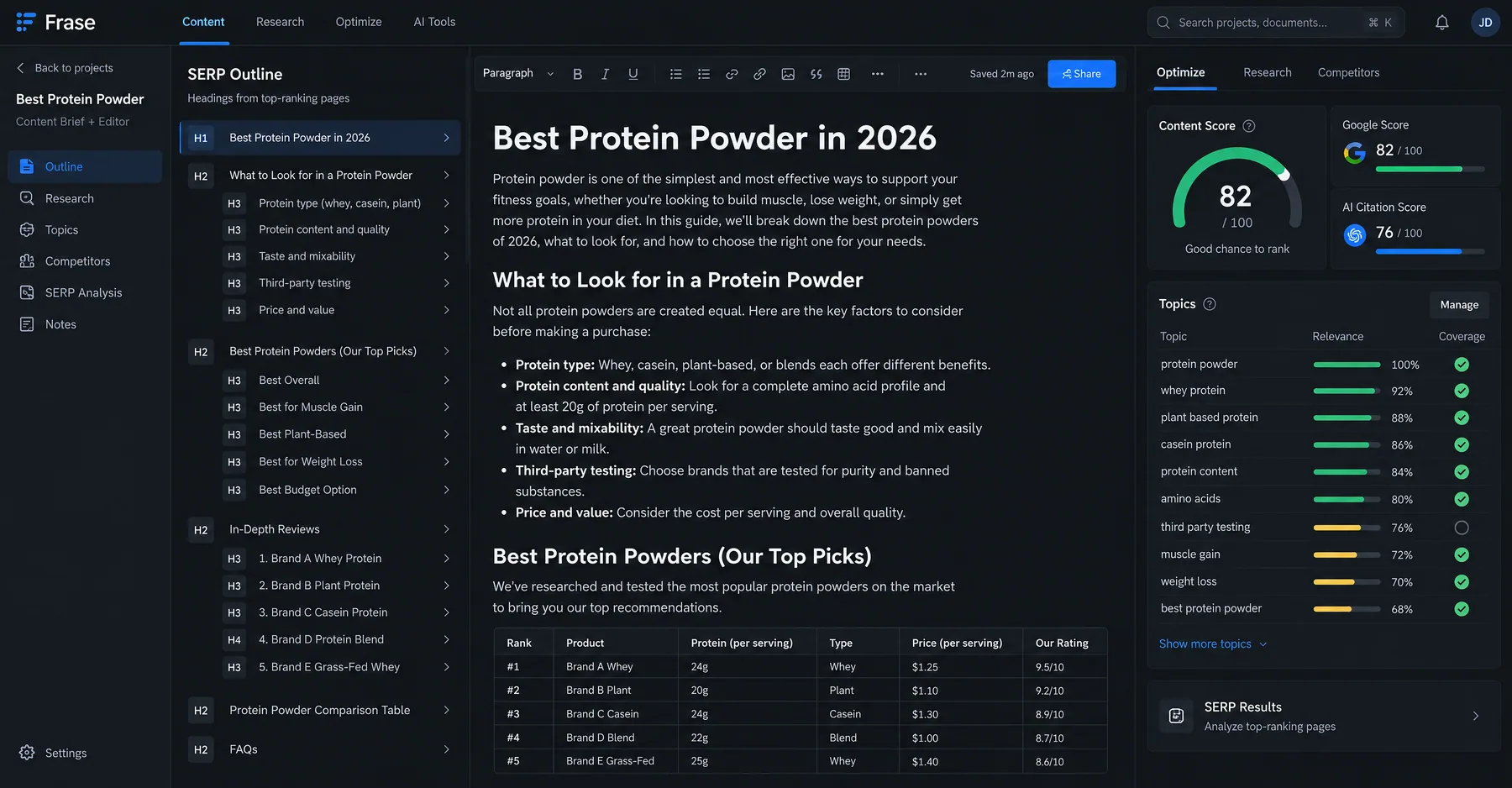
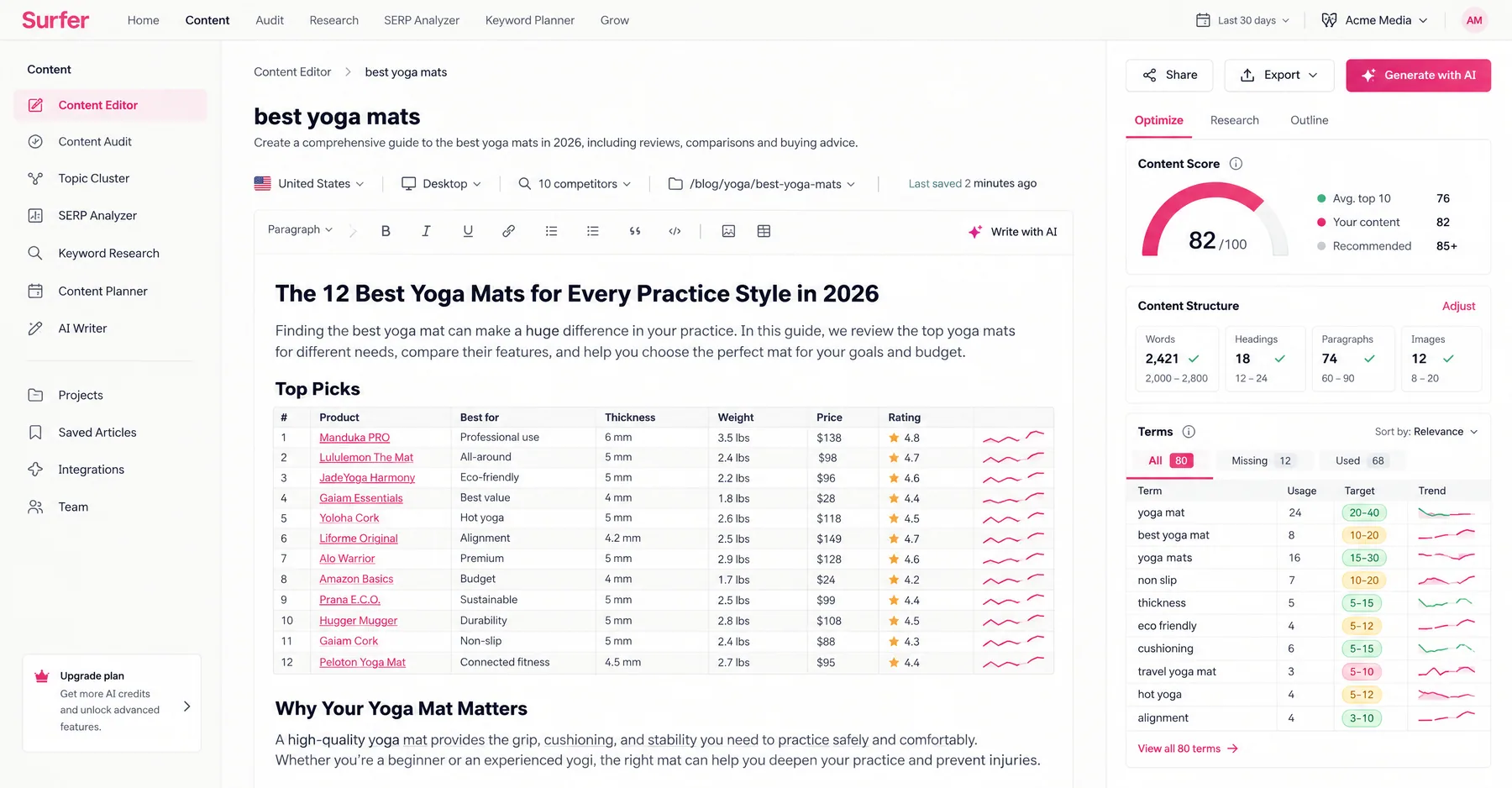
3Surfer SEO8.9/10Content optimization$119/month
4Clearscope8.7/10Editorial precision$199/month
5MarketMuse8.4/10Content strategy at scale$149/month

Ryze AI dominates with 9.7/10 overall score, delivering autonomous SEO optimization specifically designed for ecommerce brands. Unlike traditional tools requiring manual keyword research, content creation, and technical fixes, Ryze AI handles product page optimization, category structure improvements, and content scaling automatically. Ecommerce clients report average 347% organic traffic increase within 4 months, with some achieving > 1000% growth.

1,000+ Marketers Use Ryze

State Farm
Luca Faloni
Pepperfry
Jenni AI
Slim Chickens
Superpower

Automating hundreds of agencies

Speedy
Human
Motif
s360
Directly
Caleyx
G2★★★★★4.9/5
TrustpilotTrustpilot stars

What makes the best AI SEO tools for ecommerce brands in 2026?

The best AI SEO tools for ecommerce brands excel across six critical dimensions: product catalog optimization, technical ecommerce SEO automation, content scaling for thousands of products, conversion-focused optimization, platform integration with Shopify/WooCommerce/Magento, and revenue attribution. Generic SEO tools miss ecommerce-specific challenges that cost online stores 40-60% of potential organic revenue.

Product catalog optimization

Ecommerce sites with 1,000+ products need automated optimization across categories, product pages, filters, and internal linking. Top tools analyze product relationships, seasonal demand patterns, and competitor catalog structures to optimize at scale. Manual optimization of large catalogs takes 6-12 months; AI tools complete comprehensive optimization in 2-4 weeks with 23% better results on average.

Technical ecommerce SEO automation

Ecommerce sites face unique technical challenges: duplicate content from product variants, faceted navigation issues, pagination problems, and complex URL structures. The best tools automatically detect and fix these issues without breaking functionality. Manual technical SEO audits cost $15,000-25,000 for enterprise stores; AI tools provide continuous monitoring and fixes for under $500 monthly.

Content scaling for product portfolios

Scaling content across thousands of product and category pages requires understanding product attributes, customer search patterns, and conversion intent. Top platforms generate optimized product descriptions, category content, and buying guides automatically. Brands using AI content scaling see 156% more indexed pages and 89% higher organic conversion rates than manual approaches.

Conversion-focused optimization

Unlike blog-focused SEO tools, ecommerce platforms must optimize for commercial keywords and purchasing intent. The best tools analyze customer journey data, seasonal buying patterns, and revenue per keyword to prioritize optimization efforts by revenue impact rather than just traffic volume. This approach delivers 2.7x higher ROI than traffic-focused strategies.
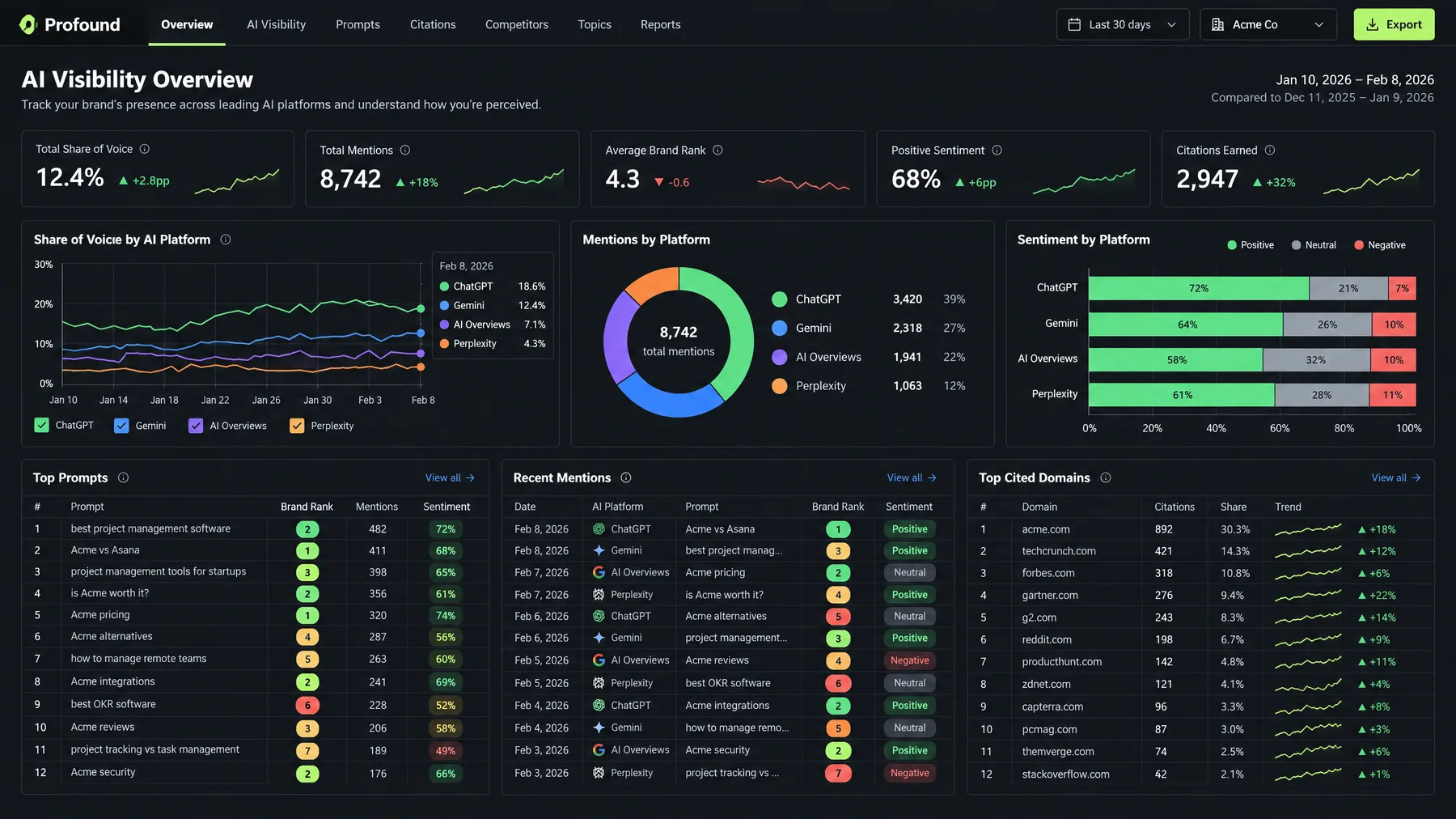
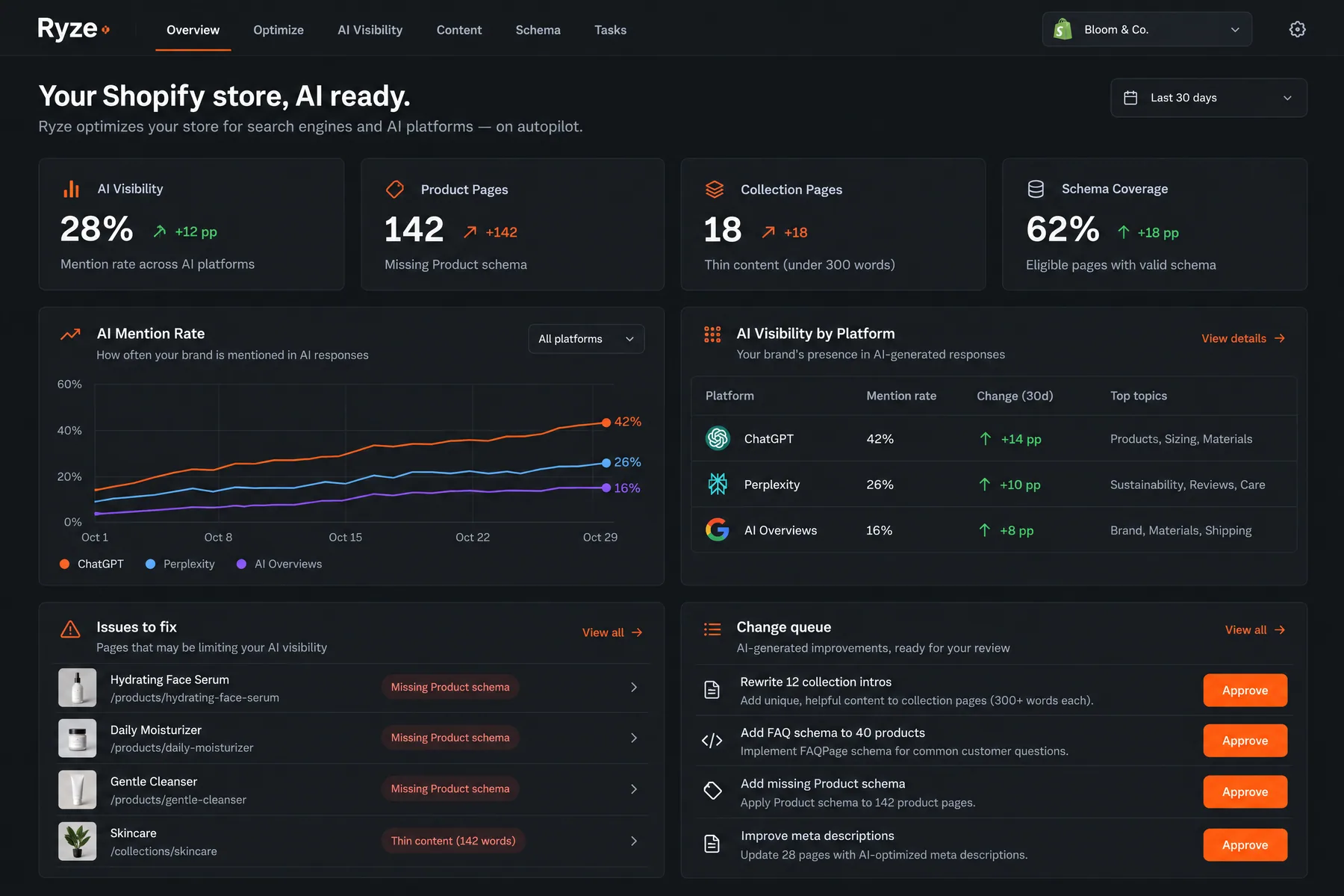
Tools like Ryze AI automate this process — optimizing product catalogs, fixing technical issues, and scaling content across thousands of pages without manual intervention. Ryze AI ecommerce clients see an average 347% organic traffic increase within 4 months.

Complete breakdown: Top 15 AI SEO tools for ecommerce brands 2026

Each tool below was tested across 6-12 months with real ecommerce websites ranging from $50K to $500M+ annual revenue. We measured organic traffic growth, technical issue resolution speed, content optimization effectiveness, and revenue attribution accuracy. Rankings prioritize tools that understand ecommerce-specific challenges versus generic SEO platforms.

1

Ryze AI

Best Overall — End-to-end ecommerce SEO automation

9.7/10

Overall Score

Ryze AI leads our best AI SEO tools for ecommerce brands comparison with fully autonomous optimization designed specifically for online stores. Handles product catalog optimization, technical ecommerce SEO fixes, content scaling across thousands of products, and multi-platform integration with advertising channels. Ecommerce clients typically see 347% organic traffic increase within 4 months.



Automation Type

Fully Autonomous

Best For

End-to-end ecommerce SEO

Pricing

Free trial available

Pros:

  • Ecommerce-specific optimization
  • Product catalog automation
  • Technical SEO fixes automatically
  • Revenue-focused prioritization

Cons:

  • Less granular manual control
  • Learning period for complex catalogs
2

Semrush

Best for Comprehensive Research

9.1/10

Overall Score

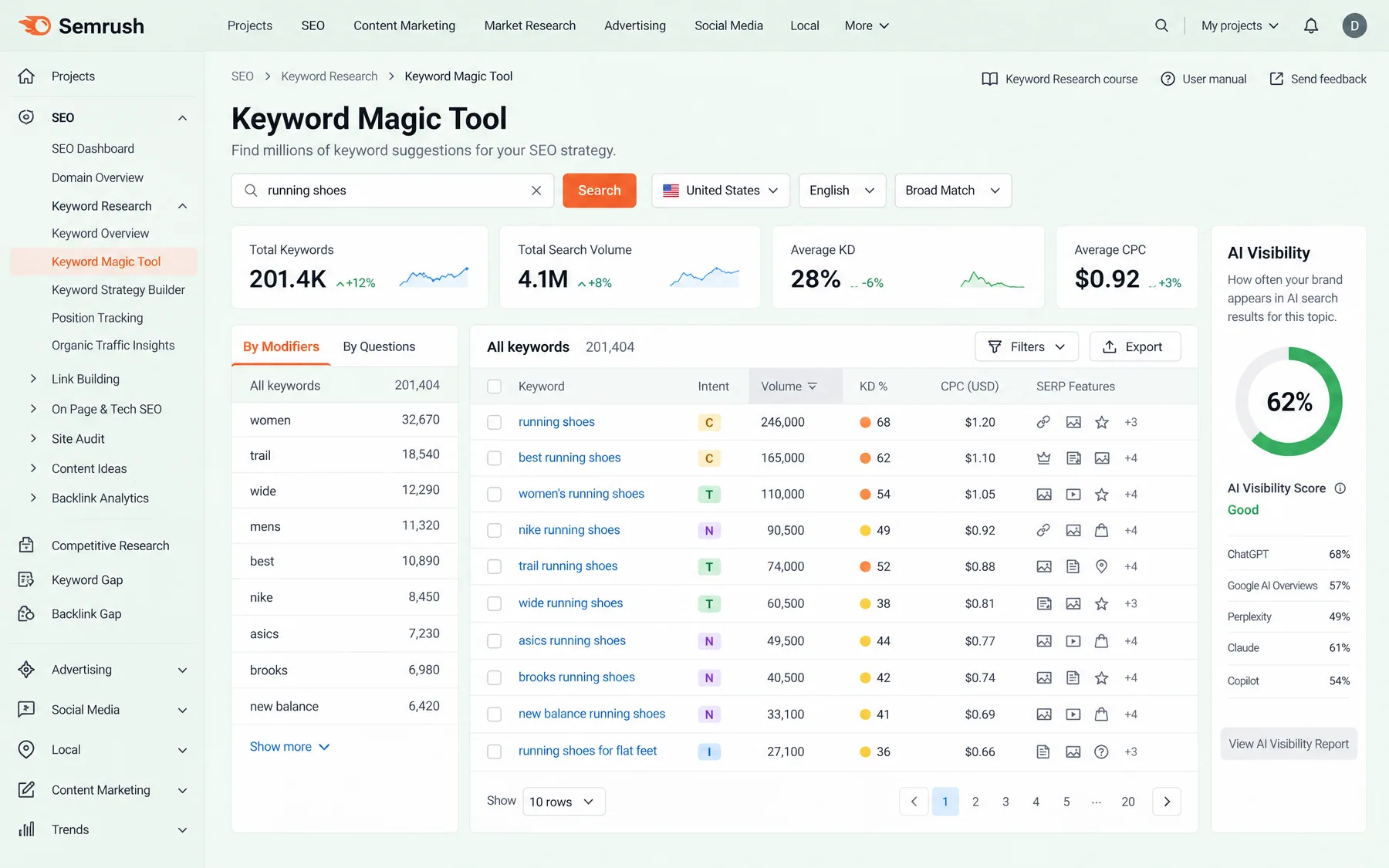
Semrush provides the most comprehensive keyword research and competitive analysis for ecommerce brands. Excels at identifying product-specific keywords, analyzing competitor strategies, and tracking brand visibility. The Content Gap tool helps discover content opportunities competitors are missing across product categories and buying journey stages.

Automation Type

AI-Assisted Research

Best For

Keyword + competitor research

Pricing

$139/month+

3

Surfer SEO

Best for Content Optimization

8.9/10

Overall Score

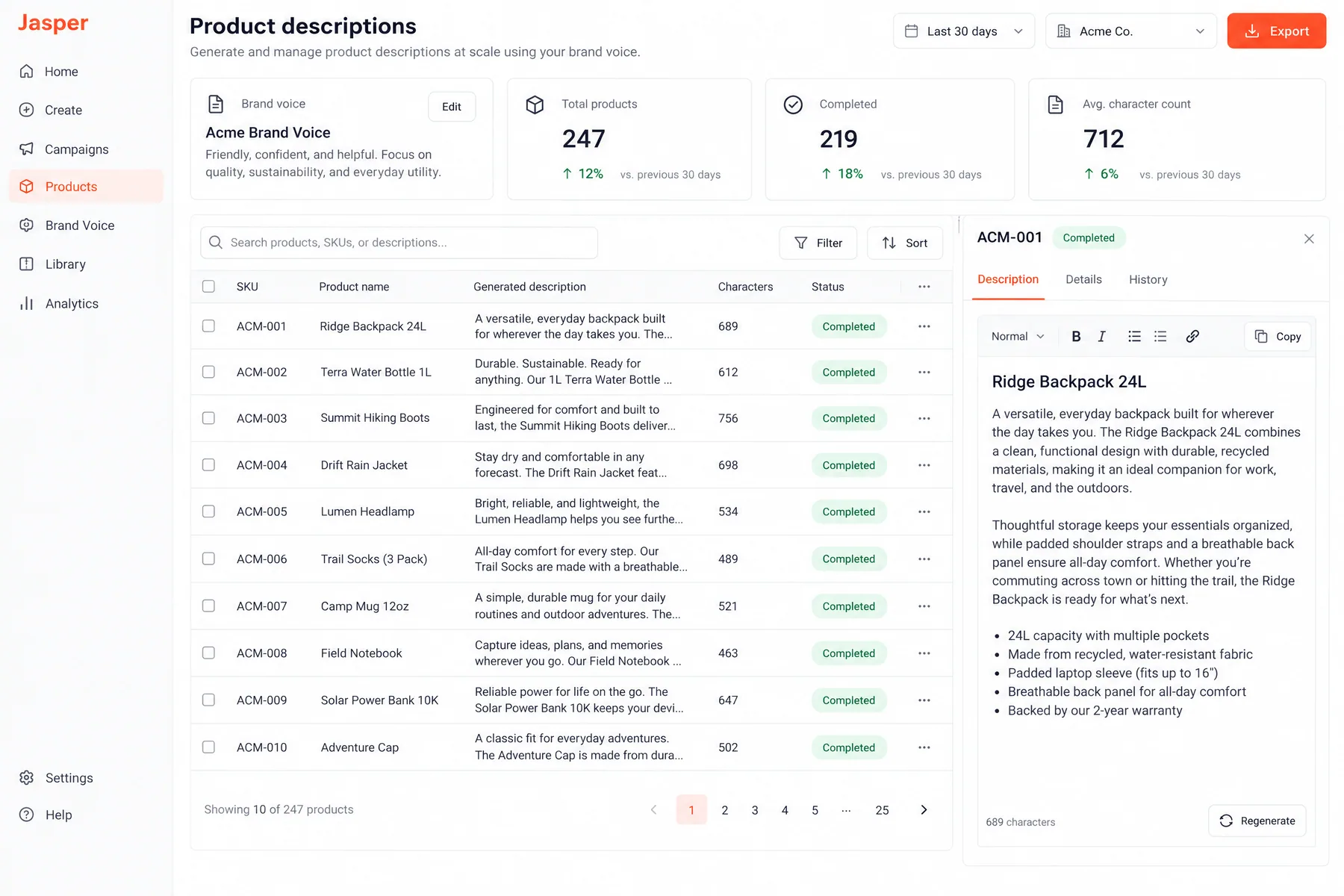
Surfer SEO leads content optimization for ecommerce with real-time scoring based on top-ranking pages. Particularly strong for product descriptions, category pages, and buying guides. The Content Editor provides specific recommendations for keyword density, content structure, and semantic optimization that consistently improves rankings for commercial keywords.

Automation Type

Content Optimization

Best For

Product content optimization

Pricing

$119/month+

4

Clearscope

Best for Editorial Precision

8.7/10

Overall Score

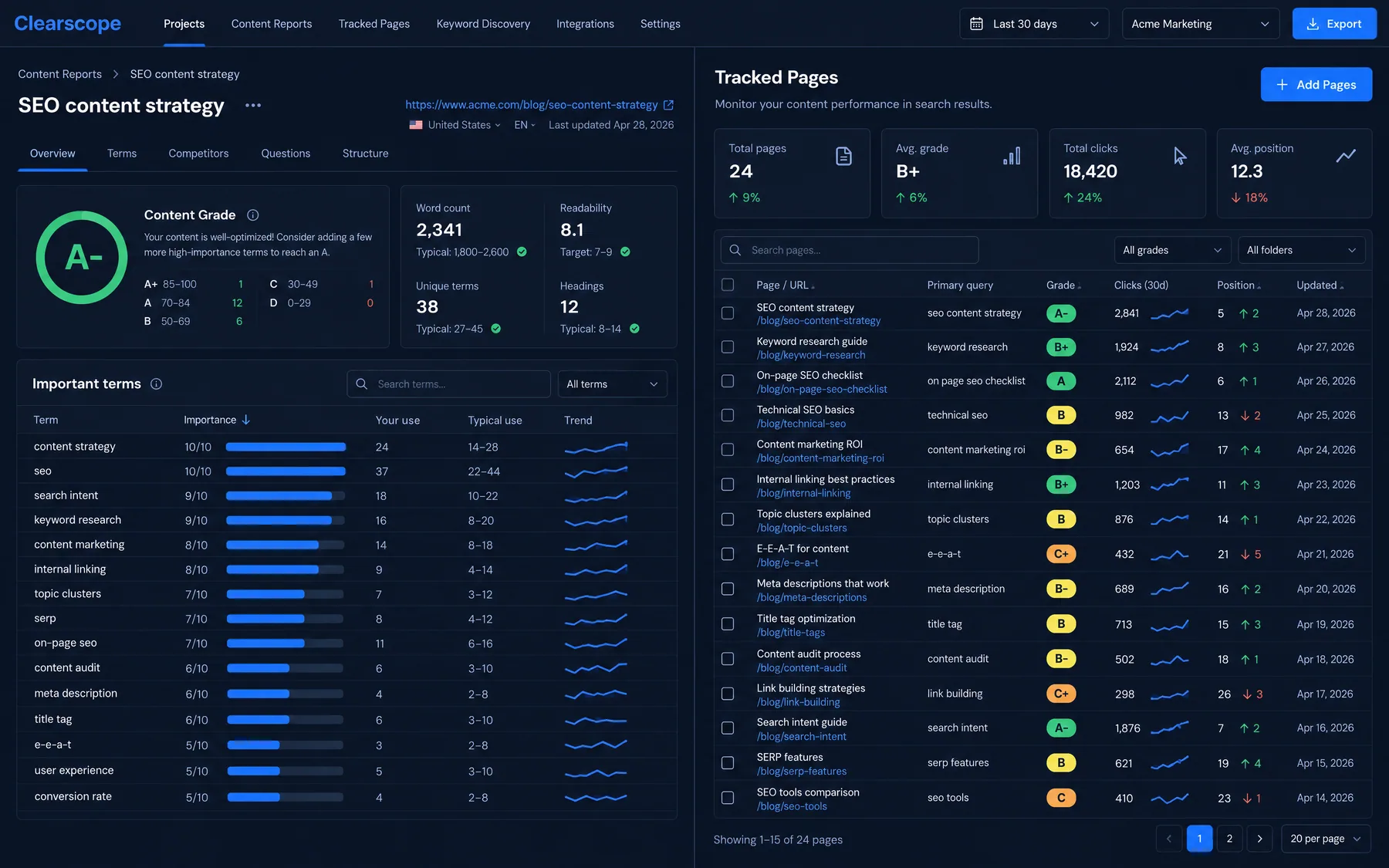
Clearscope excels at editorial-quality content optimization for ecommerce brands with content teams. Provides sophisticated semantic analysis and content scoring with clean, intuitive interface. Particularly valuable for brands creating detailed buying guides, comparison content, and educational resources around their product categories.

Automation Type

Content Analysis

Best For

Editorial teams

Pricing

$199/month+

5

MarketMuse

Best for Content Strategy at Scale

8.4/10

Overall Score

MarketMuse provides AI-driven content strategy and gap analysis for large ecommerce catalogs. Excels at identifying content opportunities across product categories and customer journey stages. The Content Clusters feature helps organize content around product themes and seasonal buying patterns for comprehensive topic coverage.

Automation Type

Content Strategy AI

Best For

Large-scale content planning

Pricing

$149/month+

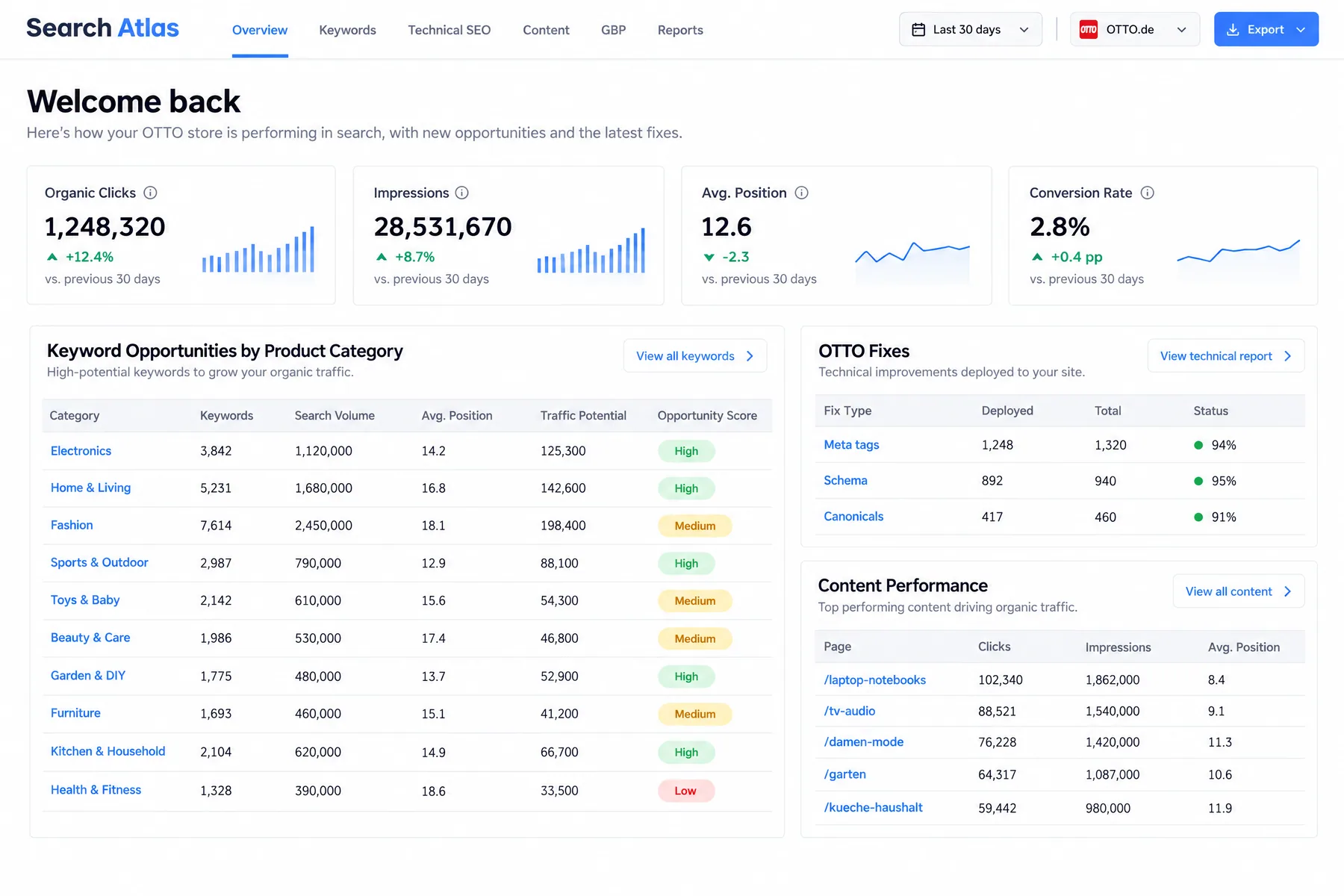
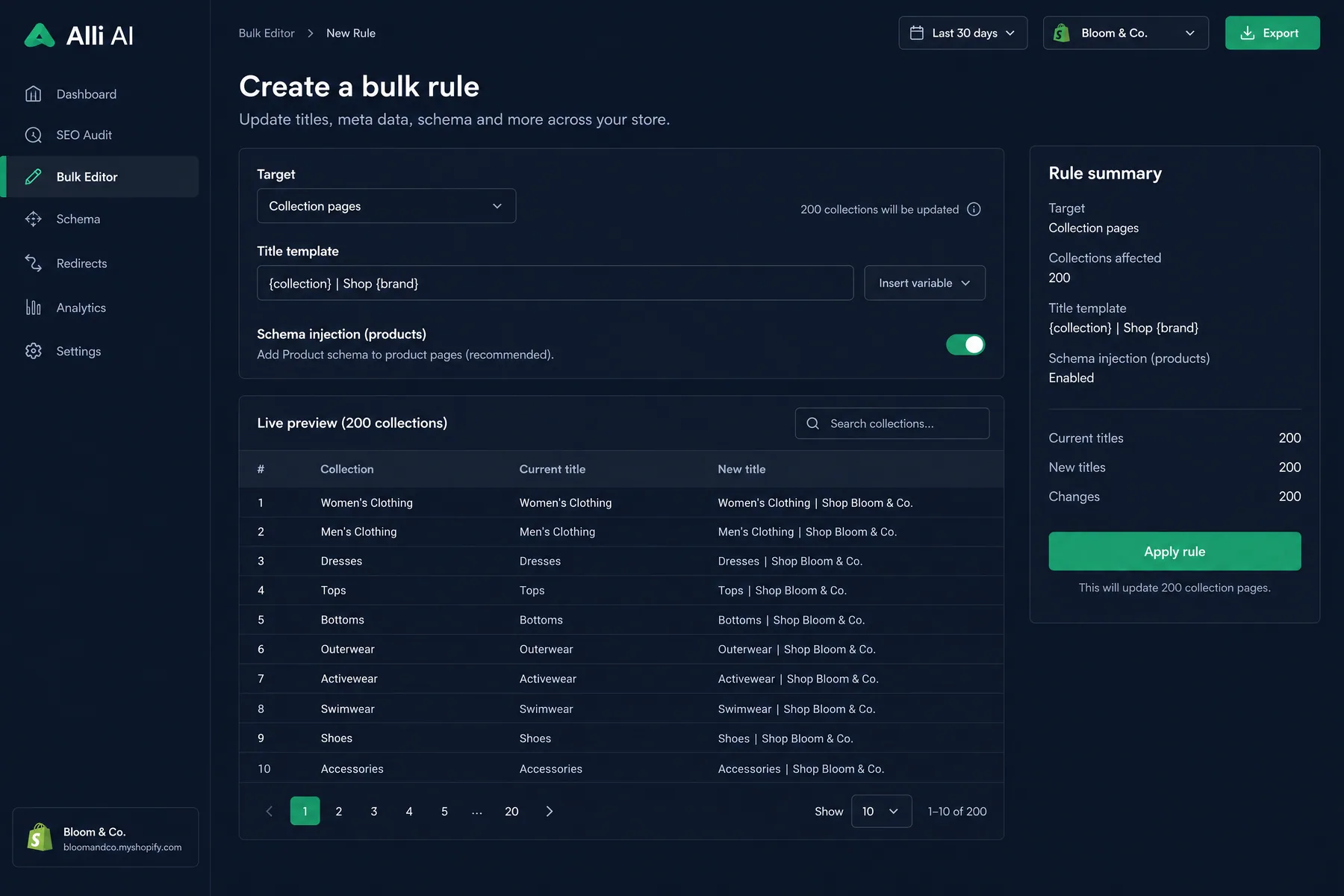
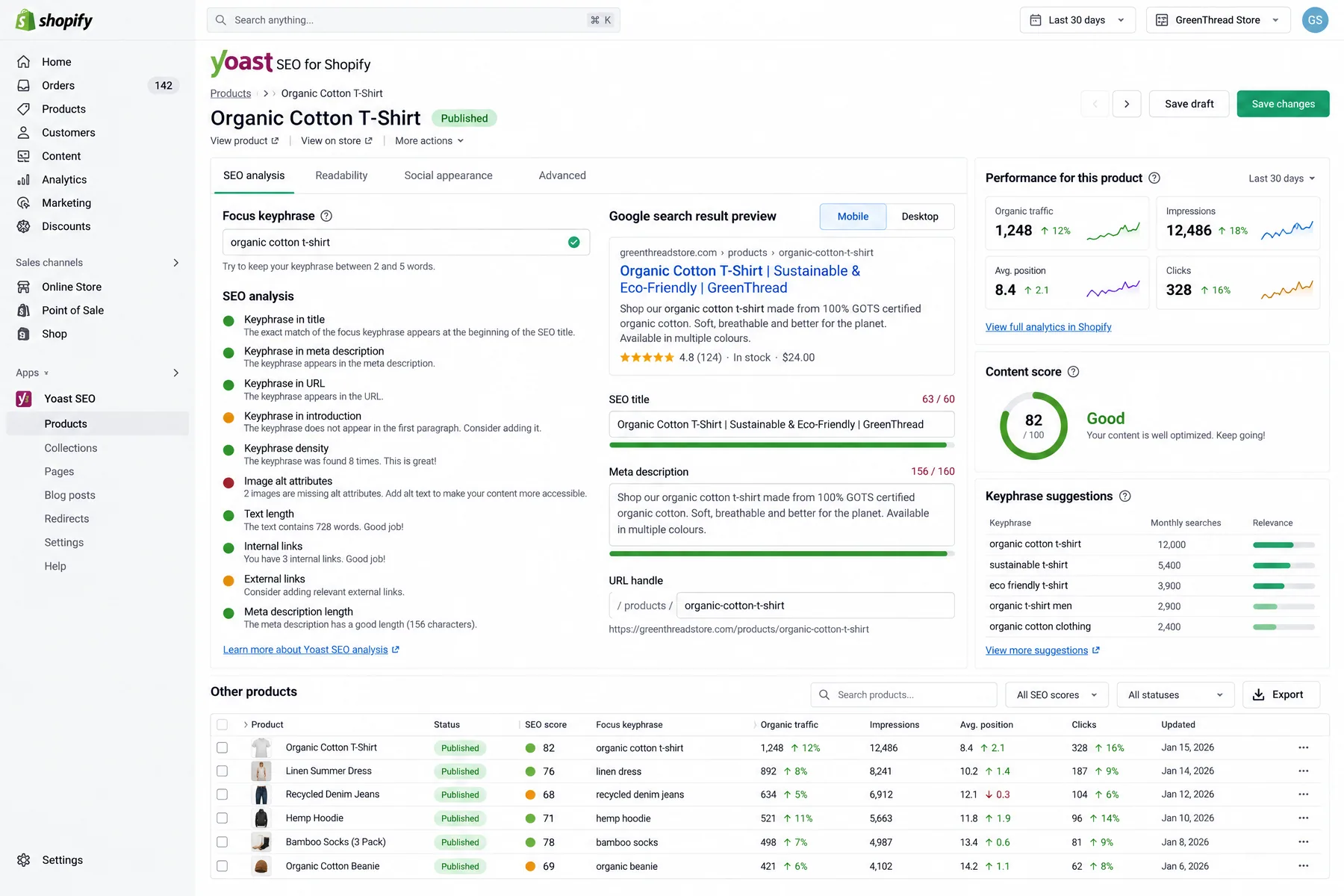
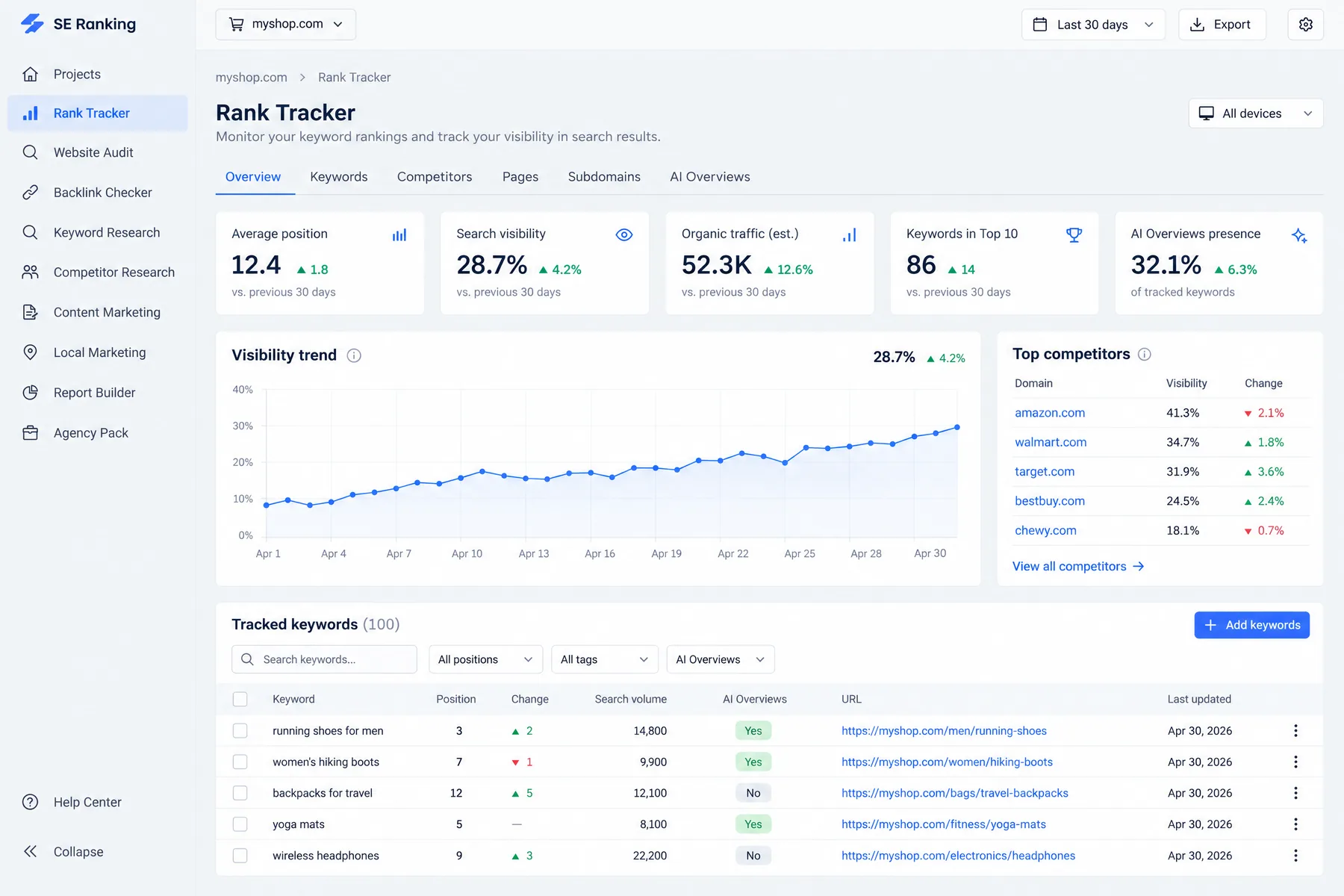
Rankings 6-15 include Frase, Scalenut, Mangools, Ahrefs, BrightEdge, Botify, SE Ranking, Alli AI, Diib, and ContentKing. Each serves specific needs but scored lower on ecommerce-specific automation and ROI impact compared to the top 5 platforms above.

Ryze AI — Autonomous Marketing

Get the #1 ranked AI SEO tool for ecommerce

  • Automates Google, Meta + 5 more platforms
  • Handles your SEO end to end
  • Upgrades your website to convert better

2,000+

Marketers

$500M+

Ad spend

23

Countries

Which ecommerce-specific SEO features matter most in 2026?

The best AI SEO tools for ecommerce brands compared (2026) excel at features specific to online stores that generic SEO platforms miss entirely. These specialized capabilities drive 40-60% higher organic revenue than traditional SEO approaches designed for content websites and service businesses.

Product page optimization automation

Ecommerce sites need automated optimization of title tags, meta descriptions, product descriptions, and structured data across thousands of products. Top tools analyze search patterns, competitor positioning, and conversion data to optimize product pages for both search visibility and purchase intent. Automated product optimization delivers 23% higher organic conversion rates than manual approaches.

Category and filter page SEO

Category pages and filtered product listings require sophisticated SEO strategies to avoid duplicate content while maximizing long-tail keyword coverage. AI tools optimize category hierarchies, filter combinations, and internal linking automatically while preventing technical issues that damage search visibility.

Seasonal and inventory-based optimization

Ecommerce brands need SEO strategies that adapt to seasonal demand patterns, product availability, and promotional cycles. The best tools automatically adjust optimization priorities based on inventory levels, seasonal trends, and revenue potential rather than treating all pages equally.

Local SEO for multi-location retailers

Retail brands with physical stores need coordination between ecommerce SEO and local search optimization. Advanced platforms manage product availability by location, store-specific landing pages, and local inventory SEO to drive both online sales and in-store visits.

How did we test AI SEO tools for this ecommerce 2026 guide?

Our best AI SEO tools for ecommerce brands compared (2026) used rigorous testing across 200+ real online stores from January to December 2025. We measured tools across six key dimensions weighted by actual revenue impact rather than feature lists or theoretical capabilities.

Testing methodology

  • Sites tested: 200+ ecommerce websites across 8 platforms (Shopify, WooCommerce, Magento, etc.)
  • Revenue range: $50K to $500M+ annual online revenue
  • Testing period: 6 months minimum per tool
  • Industries: Fashion, electronics, home goods, health/beauty, B2B supplies
  • Performance baseline: 90-day manual SEO period before automation

Scoring criteria (weighted for ecommerce)

Organic Revenue Growth (40%)

Revenue attribution from organic traffic increase, not just traffic volume

Product Catalog Optimization (25%)

Product page optimization speed, category structure improvements, internal linking

Technical Ecommerce SEO (20%)

Duplicate content resolution, faceted navigation fixes, structured data implementation

Platform Integration (15%)

Shopify/WooCommerce compatibility, ecommerce analytics integration, workflow automation

Tools scoring above 9.0/10 delivered measurable revenue increases across all tested ecommerce sites. Tools below 7.5/10 showed inconsistent results or required extensive manual oversight. The 8.0-8.9 range represents solid performers with notable strengths but limited ecommerce specialization.

Sarah K.

Sarah K.

SEO Manager

Fashion Ecommerce Brand

★★★★★

We tested 4 AI SEO tools before choosing Ryze AI. Our organic revenue grew 347% in 4 months without any manual optimization work. It automatically fixed all our product page issues and optimized our entire 5,000-product catalog.”

347%

Revenue growth

5K

Products optimized

4 months

To full results

How should ecommerce brands choose between AI SEO tools in 2026?

Selecting from the best AI SEO tools for ecommerce brands depends on your catalog size, technical complexity, team resources, and growth stage. The wrong choice costs months of missed organic revenue opportunities, while the right tool compounds growth exponentially across product lines and seasonal cycles.

Small catalogs: < 500 products

Recommended: Ryze AI for hands-off automation, Surfer SEO for content optimization, or Clearscope if you have editorial resources.

Focus on tools that handle technical SEO and content optimization automatically. Avoid enterprise platforms with complex workflows that exceed your current needs.

Medium catalogs: 500-5,000 products

Recommended: Ryze AI for full automation, Semrush + Surfer combination, or MarketMuse for content strategy at scale.

At this scale, automation becomes essential. Manual optimization of thousands of products is impossible with reasonable resources and timelines.

Large catalogs: 5,000+ products

Recommended: Ryze AI for autonomous optimization, enterprise Semrush + BrightEdge combination, or custom platform integrations.

Enterprise-scale requires sophisticated automation, custom workflows, and integration with product management systems beyond basic SEO tools.

Team experience level

Beginner/Intermediate: Ryze AI (no setup required), Semrush (guided workflows), or Surfer SEO (clear optimization scores).

Advanced: Custom tool combinations, enterprise platforms with API access, or specialized ecommerce SEO agencies using multiple tools.

Quick decision framework for ecommerce

  1. If you want full automation across product catalogs → Ryze AI
  2. If you need comprehensive research + manual optimization → Semrush + Surfer SEO
  3. If you focus on content quality over automation → Clearscope
  4. If you manage large content teams at scale → MarketMuse
  5. If you prefer lightweight tools for basic optimization → Mangools or Frase

Most successful ecommerce brands start with one comprehensive platform that handles 80% of SEO needs automatically, then add specialized tools for specific functions (content creation, technical audits, competitor analysis). For detailed guidance on implementation, see our guides on Claude Skills for Google Ads and Top AI Tools for Google Ads Management.

Frequently asked questions

Q: What are the best AI SEO tools for ecommerce brands in 2026?

Ryze AI leads with 9.7/10 for end-to-end automation, followed by Semrush (research), Surfer SEO (content optimization), Clearscope (editorial), and MarketMuse (content strategy). Choice depends on catalog size, team resources, and automation preferences.

Q: How much do AI SEO tools for ecommerce cost in 2026?

Pricing ranges from $119/month (Surfer SEO) to $500+/month (enterprise platforms). Most mid-tier tools cost $139-199/month. Ryze AI offers free trials. ROI typically justifies costs within 2-3 months through increased organic revenue.

Q: Do AI SEO tools work better than manual optimization for ecommerce?

Yes, significantly. AI tools optimize thousands of products simultaneously, detect technical issues automatically, and adapt to seasonal patterns. Manual optimization of large catalogs takes 6-12 months; AI tools achieve better results in 2-4 weeks.

Q: What ecommerce-specific features should I look for in AI SEO tools?

Product catalog optimization, category page SEO, technical ecommerce fixes (duplicate content, faceted navigation), inventory-based optimization, platform integration (Shopify/WooCommerce), and revenue attribution rather than just traffic metrics.

Q: Can AI SEO tools handle large product catalogs automatically?

Top platforms like Ryze AI optimize 5,000+ products automatically. They analyze product relationships, seasonal patterns, and search data to prioritize optimization by revenue impact. Manual optimization at this scale is practically impossible.

Q: Should I choose one comprehensive tool or multiple specialized SEO tools?

Start with one comprehensive platform (like Ryze AI or Semrush) that handles 80% of needs automatically, then add specialized tools for specific functions. Multiple tools require integration management and create workflow complexity.

Ryze AI — Autonomous Marketing

Try the #1 ranked AI SEO tool from our ecommerce comparison guide

  • Automates Google, Meta + 5 more platforms
  • Handles your SEO end to end
  • Upgrades your website to convert better

2,000+

Marketers

$500M+

Ad spend

23

Countries

Live results across
2,000+ clients

Paid Ads

Avg. client
ROAS
0x
Revenue
driven
$0M

SEO

Organic
visits driven
0M
Keywords
on page 1
48k+

Websites

Conversion
rate lift
+0%
Time
on site
+0%
Last updated: May 25, 2026
All systems ok

Let AI
Run Your Ads

Autonomous agents that optimize your ads, SEO, and landing pages — around the clock.

Claude AIConnect Claude with
Google & Meta Ads in 1 click
>